El Niño Arrives in Chile, But Intense Rains Are Delayed
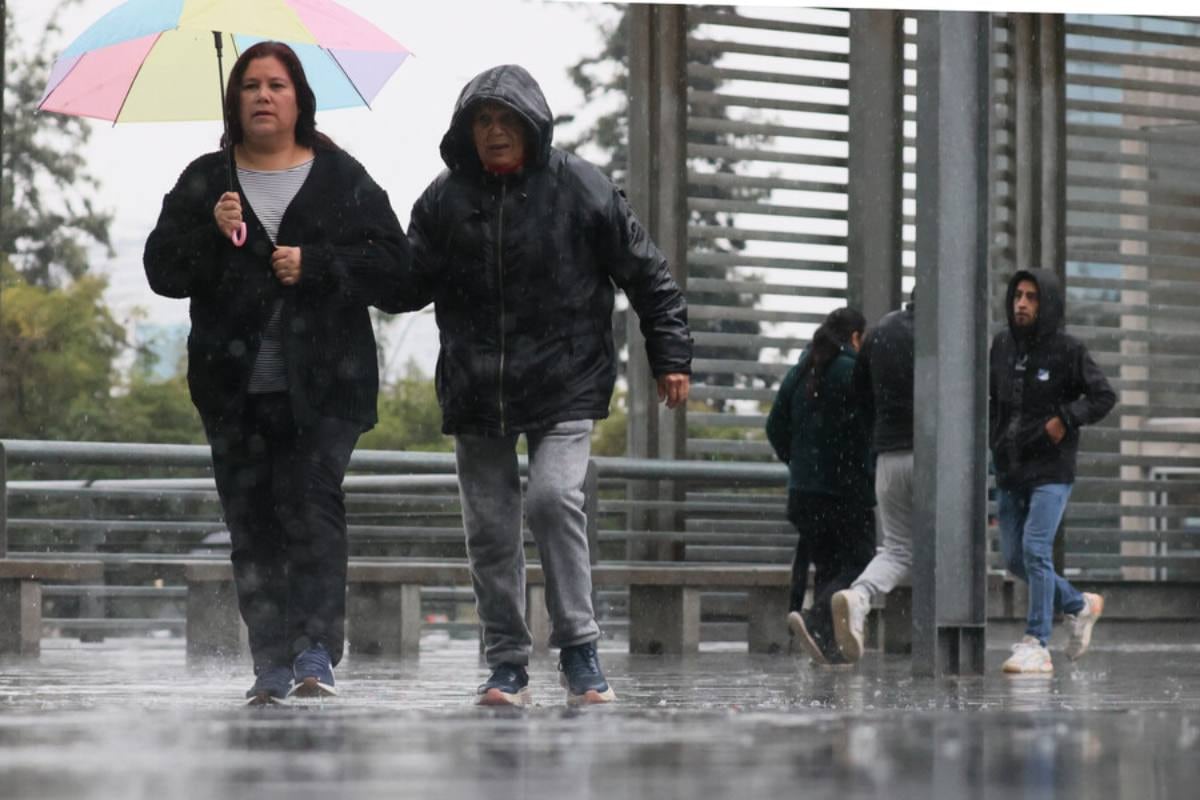
The El Niño phenomenon has officially arrived in Chile, although the anticipated intense rainfall has not yet materialized. Experts are explaining the reasons behind this delay and forecasting the expected weather patterns for the upcoming winter, spring, and summer seasons of 2026-2027. While El Niño's presence is confirmed, its typical impact on precipitation seems to be taking longer to manifest across the country. Scientists are monitoring the situation closely to provide more precise predictions. The delay raises questions about the predictability of climate phenomena and their localized effects. Residents and agricultural sectors are particularly interested in understanding when and how intensely the rains will arrive. The forecast for the next several seasons will be crucial for planning and resource management in Chile.
The delayed onset of El Niño's characteristic rainfall in Chile, despite the phenomenon's official declaration, highlights the complex interplay of atmospheric and oceanic conditions. This situation underscores the challenges in precise climate forecasting, particularly concerning the timing and intensity of extreme weather events. Understanding the specific regional drivers that modulate global climate patterns like El Niño is crucial for improving predictive models. For Chile, this delay could have significant implications for water resource management, agriculture, and preparedness for potential future climate shocks, prompting a re-evaluation of adaptation strategies.
AI-generated to prompt reflection — not editorial opinion, not advice, not a statement of fact. How this works.