El Niño Could Be One of Strongest Since 1950, Threatening Colombia and Caribbean
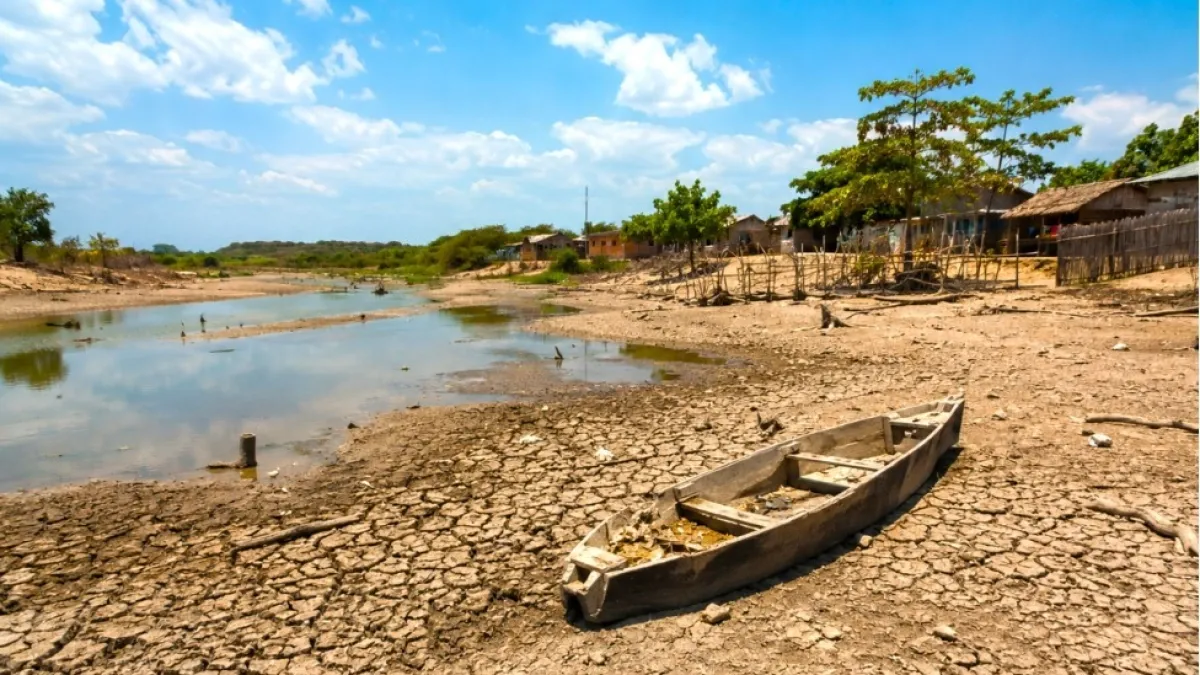
Scientists are warning that the El Niño phenomenon is shaping up to be one of the most intense observed since 1950. Researchers have identified significant risks for Colombia, the Caribbean region, and coral reefs. The potential impacts include severe droughts, extreme heat, and a decrease in water levels in reservoirs. Additionally, there is an increased likelihood of wildfires. The marine environment is also expected to face considerable strain. These effects are anticipated to be most pronounced between October and December.
The potential for an exceptionally strong El Niño event highlights the increasing vulnerability of global climate systems to extreme weather patterns. This phenomenon underscores the interconnectedness of atmospheric and oceanic conditions, with significant implications for regional water security, agricultural stability, and biodiversity, particularly in sensitive marine ecosystems like coral reefs. The projected impacts necessitate proactive adaptation and mitigation strategies, emphasizing the need for robust infrastructure and resource management plans to buffer against drought, heatwaves, and potential wildfires. Understanding these cyclical climate events is crucial for long-term planning in the face of a changing climate, requiring international cooperation and investment in climate resilience.
AI-generated to prompt reflection — not editorial opinion, not advice, not a statement of fact. How this works.