El Niño Intensifies Rainfall in Southern Brazil, Threatening Santa Catarina
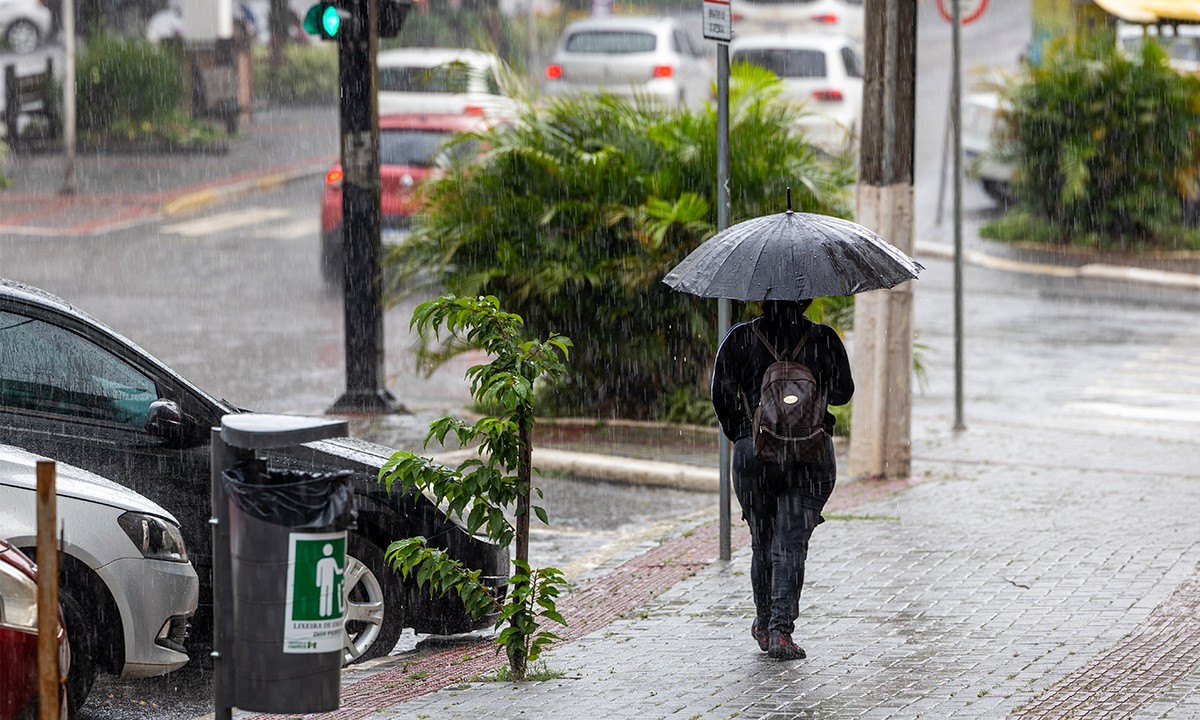
The National Institute of Meteorology (Inmet) has confirmed the influence of El Niño on Southern Brazil's climate, attributing the recent heavy rains and resulting damage in Santa Catarina to the phenomenon. El Niño, characterized by a sea surface temperature increase of at least 0.5°C in the Pacific Ocean, is known to disrupt global weather patterns. In Brazil, it typically reduces rainfall in the North and Northeast while increasing precipitation in the South. Inmet forecasts continued storms for Santa Catarina in the coming days. The institute, in conjunction with a low-pressure system and a cold front, predicts intensified instability across the region. Isolated thunderstorms are expected to begin in western Santa Catarina on Thursday, November 16th. The alerts escalate through the week, with potential for strong winds up to 100 km/h and heavy rainfall between 20-30 mm/h or up to 50 mm/day, including the possibility of hail, particularly on Friday, Saturday, and Sunday, November 17th-19th. Inmet utilizes a three-tiered alert system: yellow for potential danger, orange for danger, and red for extreme danger, to communicate severe weather events.
The confirmed influence of El Niño on intensified rainfall in Southern Brazil highlights the predictable yet impactful nature of large-scale climate phenomena. This event underscores the ongoing challenge for regional authorities in preparing for and mitigating the consequences of extreme weather events, which are projected to become more frequent and intense in a changing climate. The meteorological warnings issued by Inmet provide crucial lead time, but the effectiveness of these warnings depends on robust infrastructure, clear communication channels, and proactive community preparedness plans. Future planning must consider the increasing volatility of weather patterns driven by climate change and El Niño cycles, necessitating adaptive strategies in urban planning, agriculture, and disaster response to build long-term resilience.
AI-generated to prompt reflection — not editorial opinion, not advice, not a statement of fact. How this works.