El Niño Intensifies: Researchers Warn of Rising Wildfire Risk
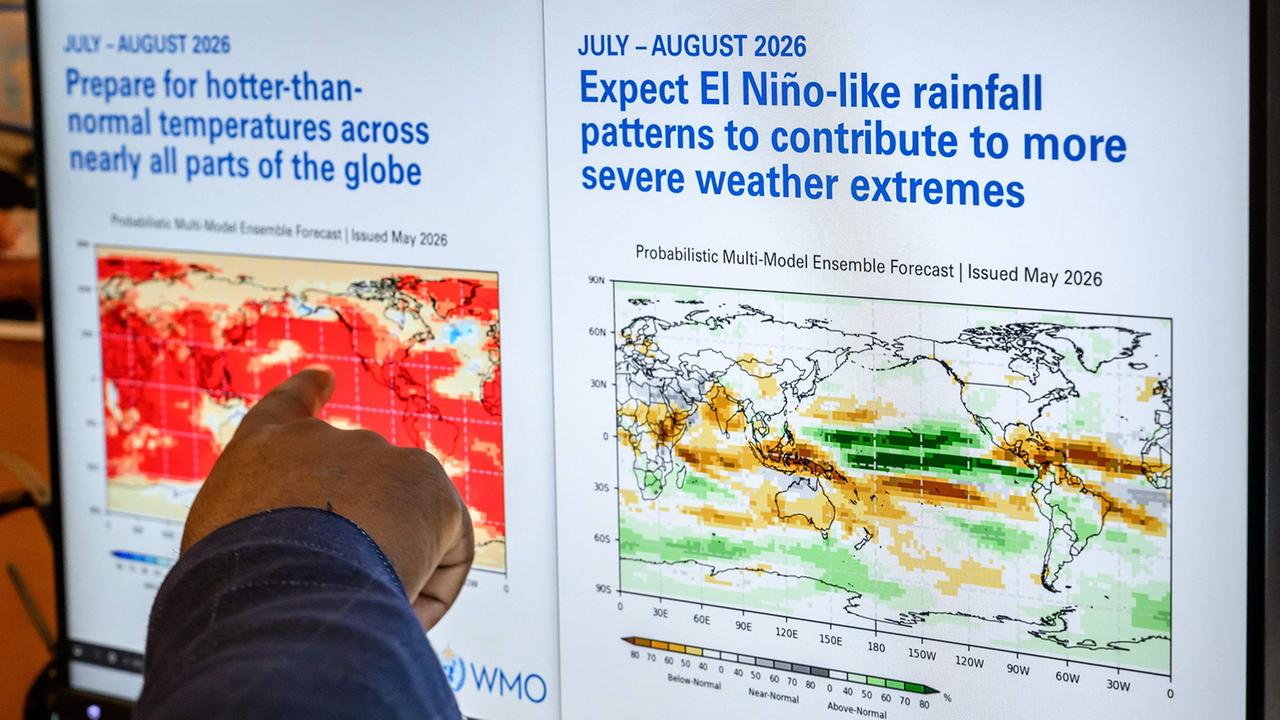
An exceptionally strong El Niño is currently developing in the Pacific Ocean. Scientists are issuing warnings that this natural climate phenomenon could exacerbate extreme wildfire conditions in various regions. The El Niño event is expected to influence weather patterns globally, leading to potential droughts and higher temperatures in some areas. These conditions are particularly conducive to the ignition and rapid spread of forest fires. Researchers are closely monitoring the situation and urging preparedness measures in at-risk zones. The increased frequency and intensity of such events highlight the complex interplay between natural climate cycles and environmental vulnerability. Further studies are underway to better predict the specific impacts of this El Niño on wildfire activity worldwide. The long-term implications for ecosystems and human populations are a significant concern.
The intensification of El Niño presents a recurring challenge at the intersection of natural climate variability and human-induced environmental pressures. While El Niño itself is a naturally occurring phenomenon, its interaction with factors such as land management practices and historical climate change trends can amplify the risk and severity of wildfires. This situation underscores the importance of robust climate monitoring and adaptive strategies. Future preparedness will likely involve integrating advanced climate forecasting with localized risk assessments and resource allocation for fire prevention and suppression. Understanding these systemic interactions is crucial for developing more resilient ecological and societal frameworks in the face of escalating environmental volatility.
AI-generated to prompt reflection — not editorial opinion, not advice, not a statement of fact. How this works.