El Niño's Role in Brazil's Extreme Weather Events Questioned
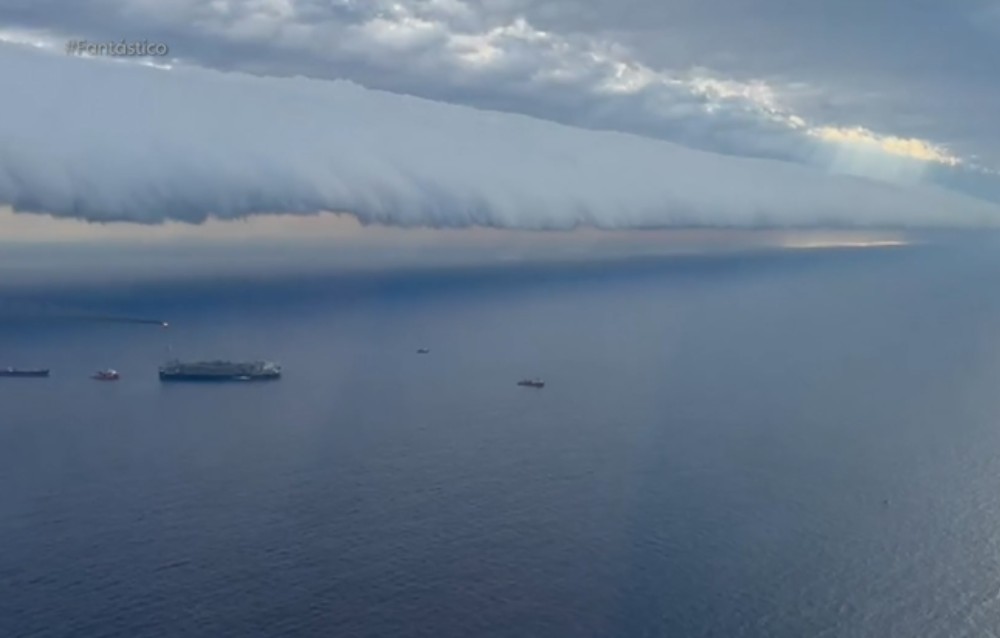
Brazil has recently experienced a series of extreme weather phenomena, including floods, tornadoes, hail, landslides, winds exceeding 100 km/h, and rare roll clouds, resulting in deaths and destruction across the South, São Paulo, and Rio de Janeiro. Scientists are investigating the extent to which the El Niño phenomenon, currently active in the Pacific, is responsible for these events. Researchers from Brazil's National Institute for Space Research (Inpe) and the National Center for Monitoring and Natural Disaster Alerts (Cemaden) confirm that El Niño is already influencing Brazil's climate, particularly in the South, by favoring severe storms and floods. However, they emphasize that El Niño alone does not explain all recent episodes, such as the severe winds that hit São Paulo and Rio de Janeiro. This specific event was attributed to a different atmospheric dynamic: a clash between a very cold air mass advancing from the south and a warmer-than-usual air mass in the southeast, creating a powerful gust front. The scientists warn that Brazil must prepare for a higher probability of extreme events until the end of the year. They also note that a warmer planet amplifies these risks, making the atmosphere more unstable and chaotic, thus increasing the intensity and frequency of severe meteorological phenomena globally. The recent extreme weather in Brazil occurs against a backdrop of similar events worldwide, including floods and heatwaves in India and China, extreme heat in Germany, drought in England, and blizzards and floods in Chile.
The recent extreme weather events in Brazil highlight the complex interplay between localized atmospheric dynamics and broader climate patterns like El Niño and global warming. While El Niño is identified as a contributing factor, particularly in the South, attributing all severe weather solely to it oversimplifies the meteorological processes involved. The distinct atmospheric front causing the destructive winds in São Paulo and Rio de Janeiro demonstrates how varied mechanisms can lead to extreme outcomes. The analysis underscores that a warming planet creates a more volatile atmosphere, increasing the likelihood and intensity of such events. This suggests a need for robust, multi-faceted climate preparedness strategies that account for both regional weather system interactions and the overarching impact of rising global temperatures, rather than relying on single-cause explanations.
AI-generated to prompt reflection — not editorial opinion, not advice, not a statement of fact. How this works.