El Niño strengthening towards historically powerful levels, NOAA reports
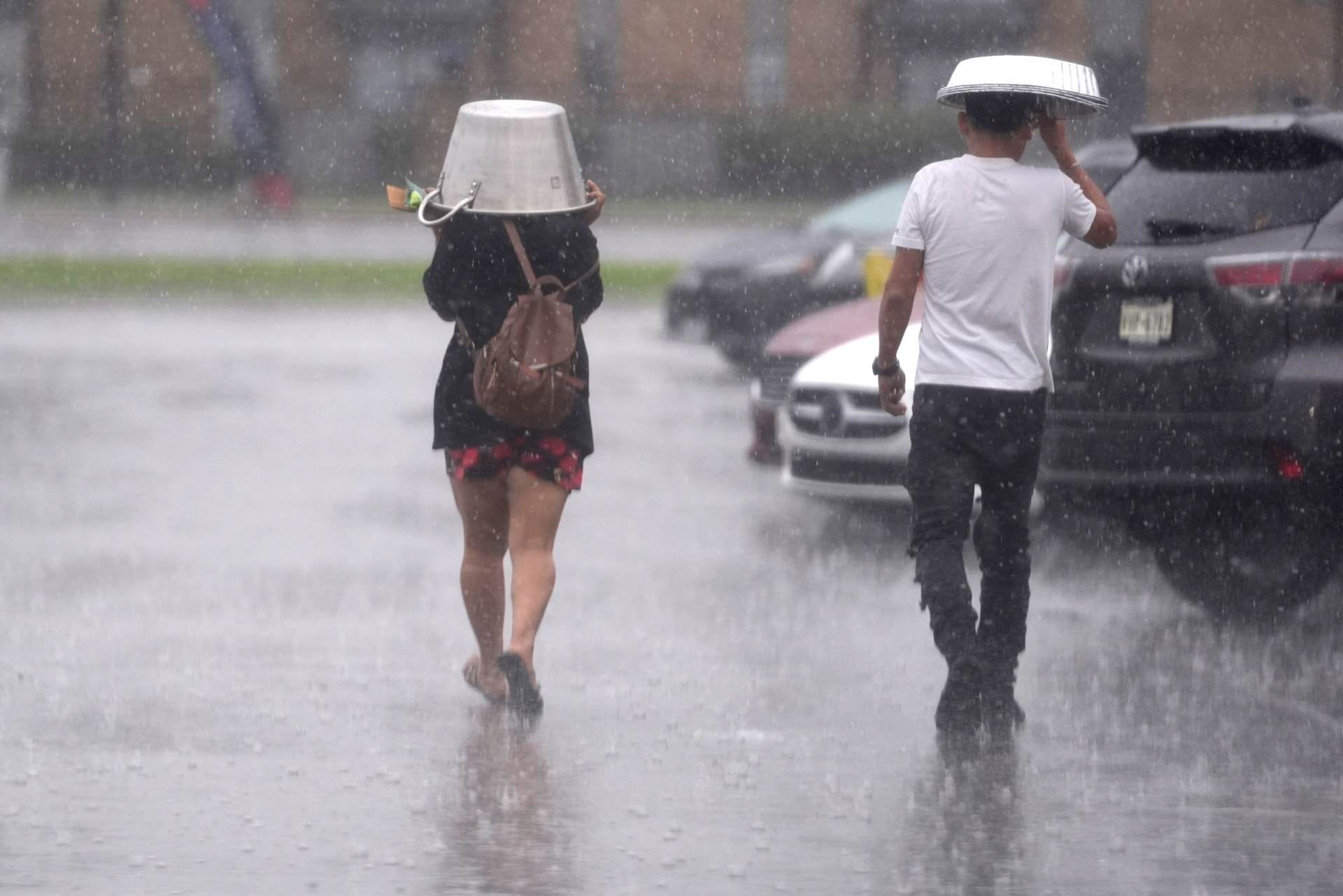
The U.S. National Oceanic and Atmospheric Administration (NOAA) has reported that the El Niño climate phenomenon is developing into historically strong levels. The agency's monthly update indicates an 81% probability that this year's El Niño, a natural warming of the equatorial Pacific that disrupts global weather patterns, will reach "very strong" status by autumn. This would place it among the most intense El Niño events since NOAA began record-keeping in 1950. Meteorologists anticipate that the most significant impacts, including droughts, heavy rainfall, and heatwaves, will be most pronounced during the fall and winter months. Having rapidly progressed from a weak to a moderate phase since its formation last month, El Niño shows no signs of slowing its intensification. Ocean temperatures in key Pacific regions are already at or near record highs for this time of year, exacerbated by human-caused climate change. Scientists like Emily Becker from the University of Miami note the event's extreme nature, comparing its potential intensity to the 1997-1998 El Niño, with some forecasts suggesting it could be even stronger. The 1997-1998 event was linked to 23,000 weather-related deaths and billions in economic losses globally. Climate scientist Daniel Swain highlights that this El Niño is unusual not only for its rapid development but also for occurring against a backdrop of significant ocean warming from fossil fuel emissions, suggesting potential differences in its impacts compared to past strong events. While a very strong El Niño doesn't guarantee more extreme weather, it increases the likelihood of such conditions, potentially leading to wetter winters in the southern U.S. and warmer winters in the northern U.S. and Canada. The phenomenon is also expected to suppress the Atlantic hurricane season, with forecasters significantly reducing storm predictions due to confidence in a strong El Niño. Globally, drier conditions are anticipated in Indonesia, while the eastern Pacific may experience warmer and wetter weather. El Niño acts as a global thermostat, releasing accumulated ocean heat into the atmosphere, contributing to planetary warming. Scientists predict that the accumulated heat, amplified by this strong El Niño, could lead to 2027 breaking the global temperature record set in 2024, offering a glimpse into a warmer future.
The NOAA's assessment of a historically strong El Niño, amplified by background ocean warming from anthropogenic climate change, underscores the complex interplay between natural climate variability and human-induced warming. This confluence suggests an increased probability of extreme weather events globally, necessitating robust adaptation and mitigation strategies. The economic and human toll of past strong El Niño events, as evidenced by the 1997-1998 occurrence, highlights the systemic risks associated with such phenomena. As El Niño releases stored ocean heat, it may accelerate the realization of future warming projections, potentially leading to new global temperature records. This situation calls for a re-evaluation of infrastructure resilience and disaster preparedness in light of intensified climate risks, recognizing that the background warming trend may alter the manifestation and impact of natural climate cycles.
AI-generated to prompt reflection — not editorial opinion, not advice, not a statement of fact. How this works.