El Niño Threatens Brazil's Crop Production, Potentially Raising Food Prices
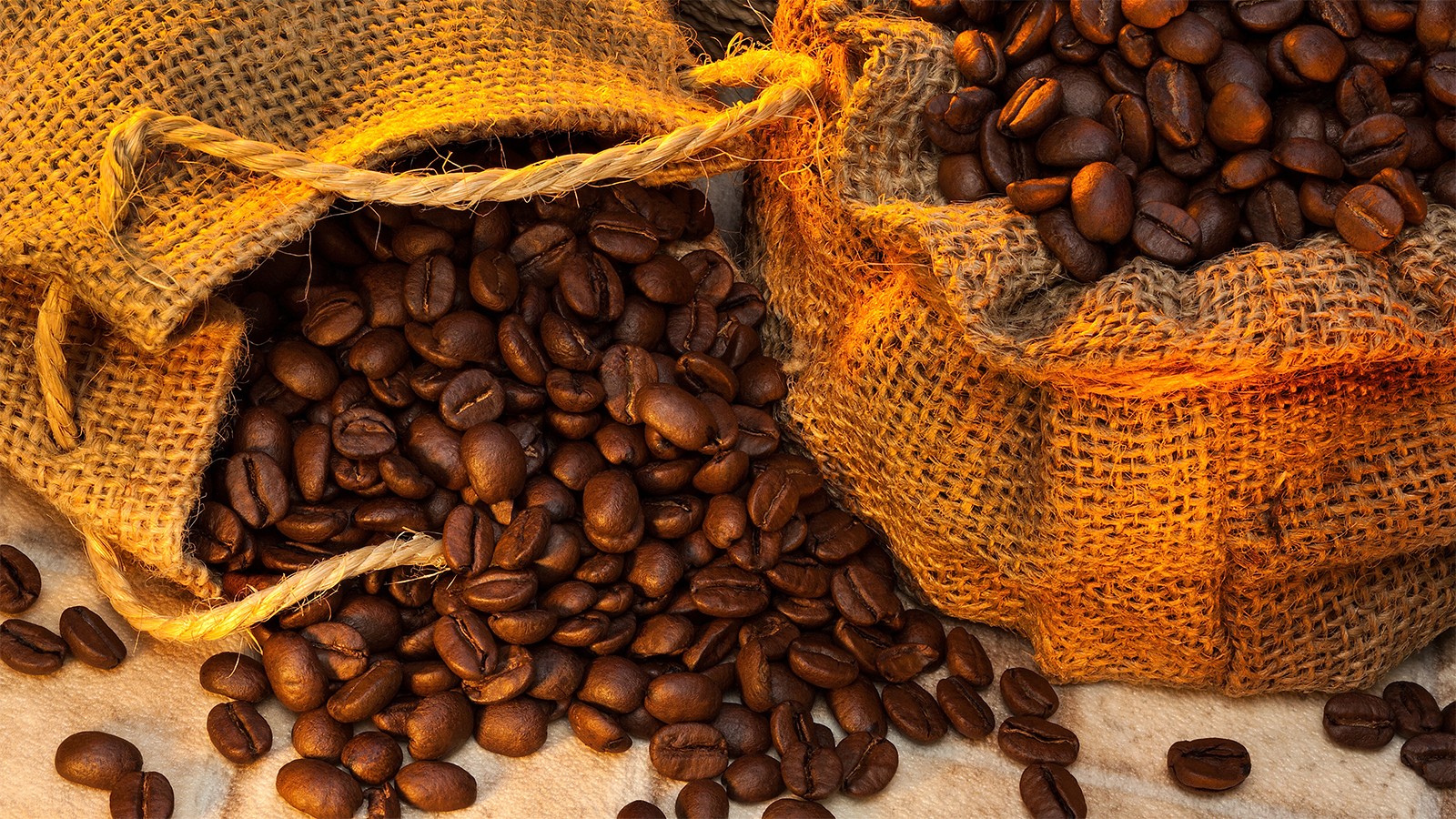
The El Niño climate phenomenon is poised to significantly impact Brazil's agricultural output, leading to reduced food availability and increased prices for consumers, according to economists. El Niño, characterized by warming Pacific Ocean waters, disrupts global weather patterns, potentially causing droughts in some areas and intense rainfall in others. While the exact intensity remains uncertain, the U.S. NOAA estimates a greater than 60% chance of a very strong event between November and January. Initial impacts are expected on more climate-sensitive crops like vegetables. If El Niño proves severe, staple crops such as corn, coffee, fruits, oranges, sugarcane, wheat, and rice could become more expensive next year. Livestock, particularly in the Center-West and North regions, may suffer from water scarcity for pastures, affecting milk production and cattle weight gain. Conversely, some regions might benefit: drier, warmer conditions in the Northeast could aid bean harvests, while above-average rainfall in the South might be favorable for winter crops. The Brazilian Ministry of Finance anticipates revising its 2026 inflation forecast upward from the current 4.5% projection due to these anticipated price increases.
The El Niño phenomenon presents a complex challenge for Brazil's agricultural sector, highlighting the inherent vulnerability of food supply chains to climatic variability. While El Niño's effects are natural, the potential for significant price hikes and production shortfalls underscores the need for robust adaptation strategies and resilient agricultural systems. Examining the differential impacts across various crops and regions reveals the intricate interplay of climate, crop physiology, and market dynamics. For instance, while some regions might see benefits, the overall trend points towards increased costs and reduced availability for key commodities, potentially exacerbating food security concerns. Future agricultural planning must integrate advanced climate forecasting and invest in technologies that mitigate extreme weather impacts, ensuring greater stability in food production and pricing for both domestic consumption and international markets.
AI-generated to prompt reflection — not editorial opinion, not advice, not a statement of fact. How this works.