El Niño Threatens Brazil's Food Production, Potentially Raising Prices
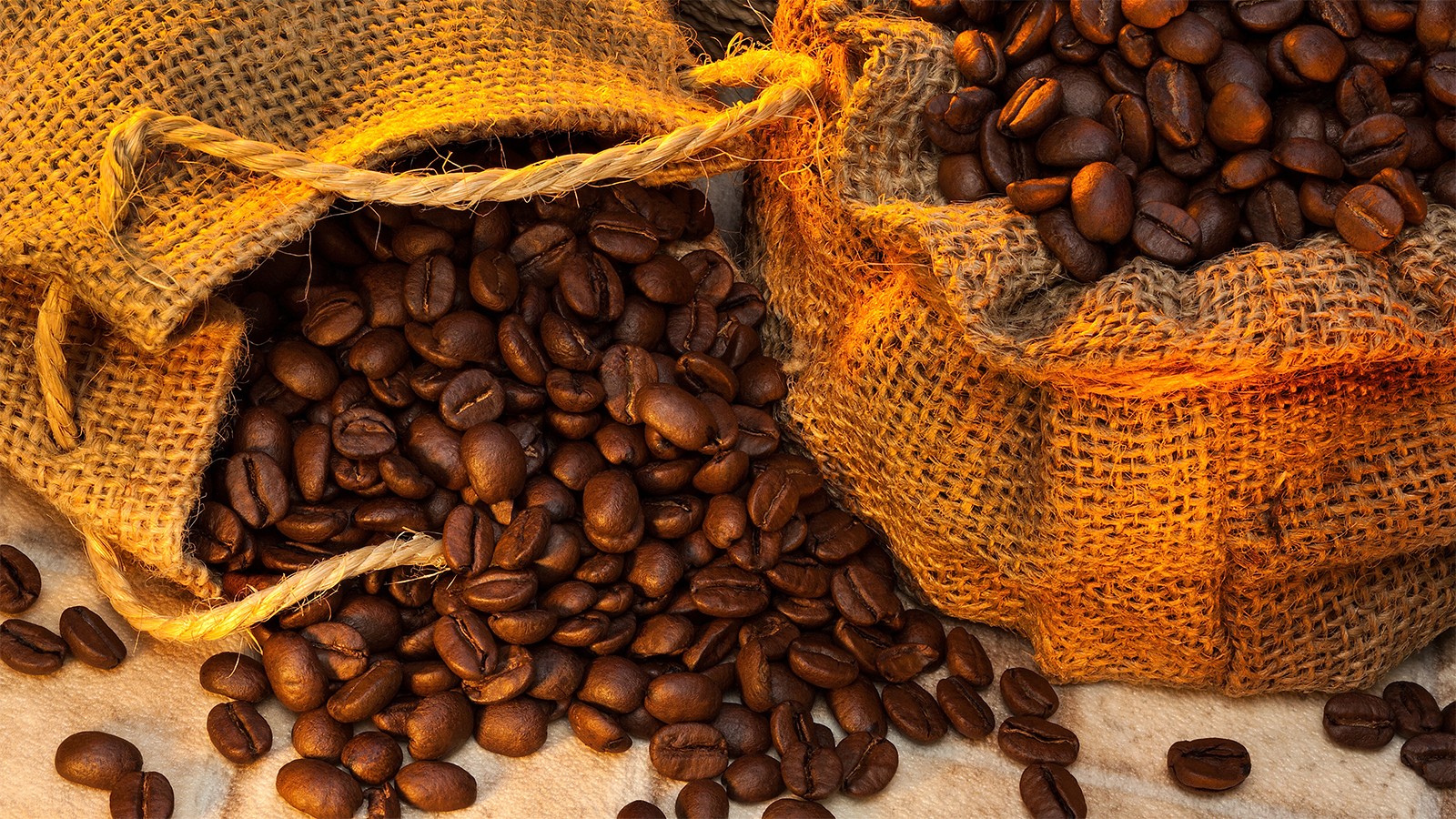
The El Niño climate phenomenon is poised to significantly impact Brazil's food production, leading to potential price increases for consumers, according to economists. The event, characterized by warming Pacific Ocean waters, is expected to alter global weather patterns, causing droughts in some regions and intense rainfall in others. The U.S. National Oceanic and Atmospheric Administration (NOAA) estimates a greater than 60% chance of a very strong El Niño event between November and January. Initial effects are anticipated for more climate-sensitive produce like vegetables. If El Niño proves severe, staple crops such as corn, coffee, fruits, oranges, sugarcane, wheat, and rice could become more expensive next year. Dairy prices may also rise, depending on rainfall in southern Brazil, while livestock farming in the Center-West and North could suffer from water scarcity for pastures. Conversely, some regions might see benefits, with dry, hot weather potentially aiding bean harvests in the Northeast and above-average rainfall supporting winter crops in the South. The Brazilian Ministry of Finance is expected to revise its 2026 inflation forecast upwards, from the current 4.5% projection, due to these anticipated food price hikes. Coffee production, particularly for Arabica beans, faces risks of irregular rainfall, premature flowering, smaller bean development, and reduced quality due to higher temperatures and soil moisture loss. The sector, which anticipated a record harvest of over 66 million bags, now fears a potential 25% production loss for 2027 if El Niño intensifies. Corn yields globally are projected to drop by approximately 4%, especially in tropical regions, though soybean productivity might increase. In Brazil, El Niño typically affects the second corn harvest by delaying soybean planting and thus reducing the optimal window for corn. This may lead some farmers to plant less or switch to sorghum. Excess rain in the South could further decrease corn productivity and increase disease incidence. Higher corn prices could also impact meat prices, as corn is a key component of feed for livestock raised in confinement. Additionally, reduced pasture availability due to drought could affect cattle weight gain and milk production. Fruits and vegetables in Southern Brazil may suffer from rot and quality degradation due to heavy rains, impacting crops like onions, potatoes, tomatoes, and carrots. Apple and grape harvests could also be affected by disease and excess moisture, respectively. However, irrigated melon and watermelon crops in the Northeast could benefit from dry, hot conditions. Orange production in São Paulo's citrus belt might be harmed by unseasonably high temperatures during the September-November flowering period, potentially leading to flower abortion and fruit drop, further reducing an already projected lower harvest and increasing juice prices. Sugarcane in the Center-South region may experience reduced quality and delayed sucrose accumulation due to out-of-season rains, while sugarcane in the North and Northeast could face water and heat stress from drought and high temperatures.
The El Niño phenomenon presents a complex challenge for Brazil's agricultural sector, highlighting the inherent vulnerabilities of global food systems to climate variability. While the immediate concern is the potential for price inflation and reduced supply of key commodities like coffee, corn, and sugarcane, the situation also underscores systemic issues. These include the reliance on specific weather patterns for optimal crop yields, the interconnectedness of agricultural inputs (like corn for animal feed) and final consumer prices, and the differential impacts across regions and crop types. The analysis suggests that while some areas might experience localized benefits, the overall trend points towards increased volatility and potential economic strain. This necessitates a strategic focus on climate resilience, diversification of agricultural practices, and robust supply chain management to mitigate future shocks and ensure food security in the face of evolving environmental conditions.
AI-generated to prompt reflection — not editorial opinion, not advice, not a statement of fact. How this works.