El Niño Threatens Brazilian Food Production, Potentially Raising Prices
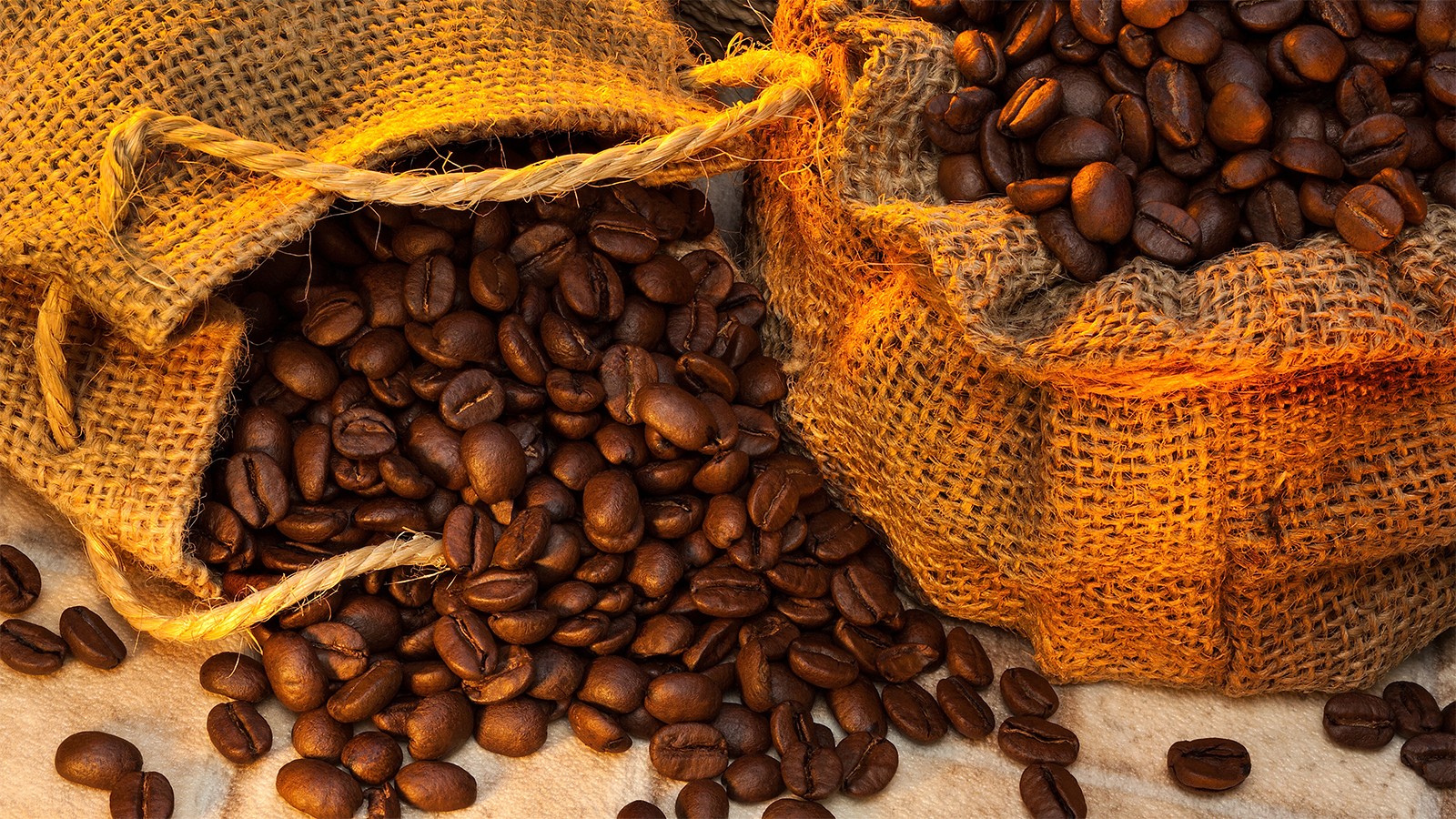
The El Niño phenomenon is poised to significantly impact Brazil's food supply and increase consumer prices, according to economists. El Niño, characterized by warming Pacific Ocean waters, disrupts global weather patterns, leading to droughts in some agricultural regions and excessive rainfall in others. While its exact intensity is uncertain, the U.S. NOAA estimates over a 60% chance of a very strong event between November and January. Initial effects are expected to be most pronounced in sensitive vegetables, with potential price hikes for seasonal crops next year. Key agricultural products like corn, coffee, fruits, oranges, sugarcane, wheat, and rice are identified as particularly vulnerable. Dairy production in Southern Brazil could also be affected by rainfall levels, while livestock farming in the Center-West and North may suffer from water scarcity for pastures. Conversely, some regions, like the Northeast, might benefit from favorable dry and warm conditions for bean harvests, and the South could see positive outcomes for winter crops due to above-average rainfall. The Brazilian Ministry of Finance is expected to revise its 2026 inflation forecast upwards, from the current 4.5% projection, due to these anticipated price increases.
The El Niño event presents a complex challenge for Brazil's agricultural sector, highlighting the inherent vulnerabilities of food systems to climate variability. While the phenomenon may offer localized benefits, such as improved conditions for certain crops in the Northeast and South, the broader economic implications point towards inflationary pressures and potential supply chain disruptions. The interconnectedness of agriculture, where the price of feed like corn directly influences livestock costs, underscores the systemic risks. Policymakers and industry stakeholders will need to navigate these climatic shifts by fostering resilience through diversified farming practices, advanced weather forecasting integration, and robust risk management strategies. Proactive adaptation measures will be crucial to mitigate economic shocks and ensure food security in the face of increasingly unpredictable weather patterns influenced by climate change.
AI-generated to prompt reflection — not editorial opinion, not advice, not a statement of fact. How this works.