El Niño Threatens New Andean Right-Wing Leaders
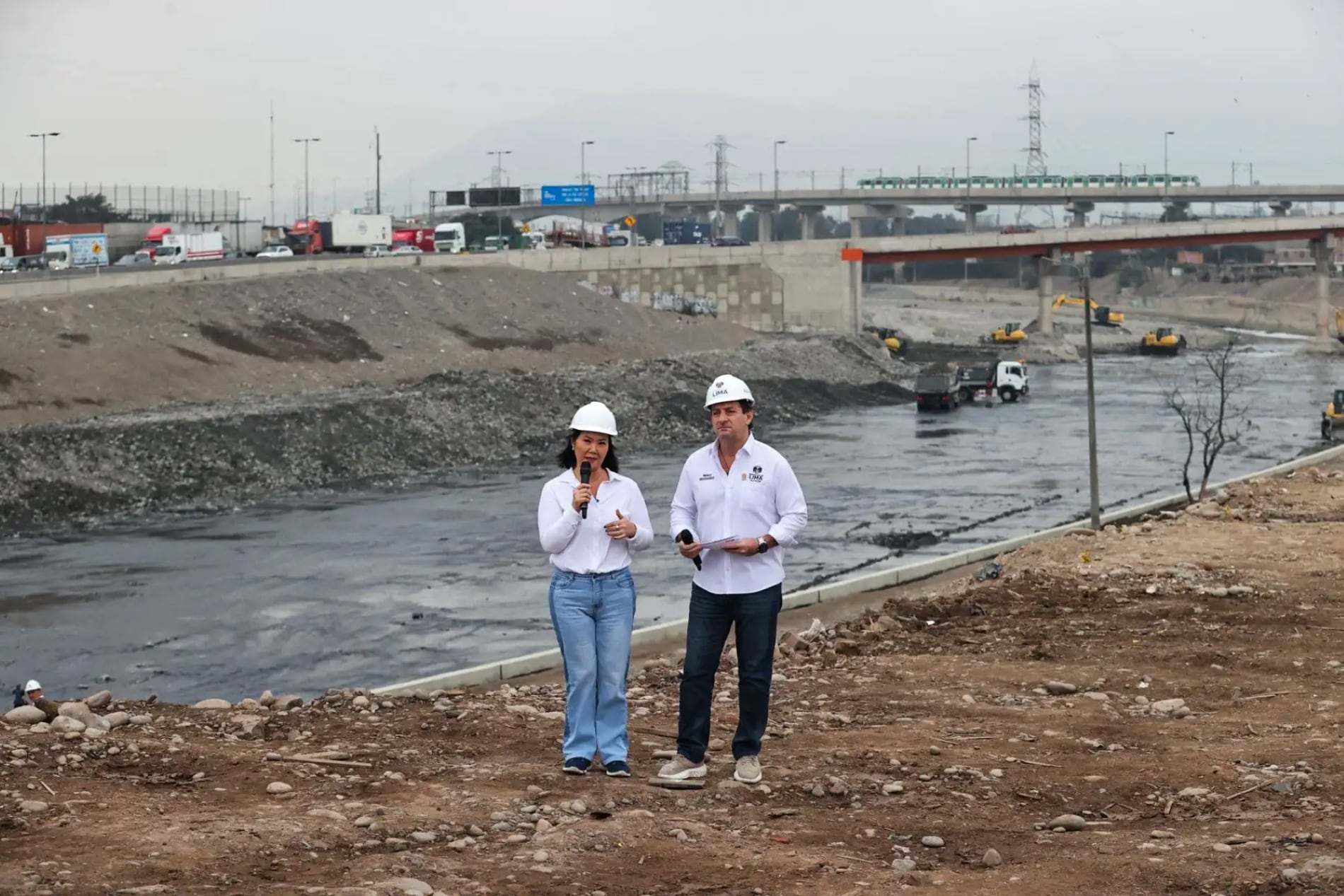
The El Niño phenomenon is poised to challenge the nascent tenures of right-wing political figures in the Andean region. Specifically, Keiko Fujimori and Abelardo De La Espriella are identified as facing significant risks of disaster and instability during their initial months in office. The looming environmental event could exacerbate existing socio-economic vulnerabilities and test the leadership capabilities of these new political actors. Their ability to manage the potential impacts of El Niño will be a critical early indicator of their governance effectiveness. The region's susceptibility to climate-related events makes this a pressing concern for both the leaders and their constituents. The coming months will likely reveal how well prepared their administrations are for such natural adversaries.
The emergence of new political leadership in the Andean region coincides with significant environmental challenges, such as the El Niño phenomenon. This confluence presents a critical test for governance, highlighting the interplay between political stability and climate resilience. Leaders will need to navigate potential resource strains and public demands for effective disaster response, which could impact their approval ratings and long-term political viability. The situation underscores the growing importance of integrating climate adaptation strategies into national policy frameworks to mitigate future risks and ensure sustainable development in the face of environmental volatility.
AI-generated to prompt reflection — not editorial opinion, not advice, not a statement of fact. How this works.