Elderly Blindness Often Ignored Due to Misconception About Age-Related Vision Loss
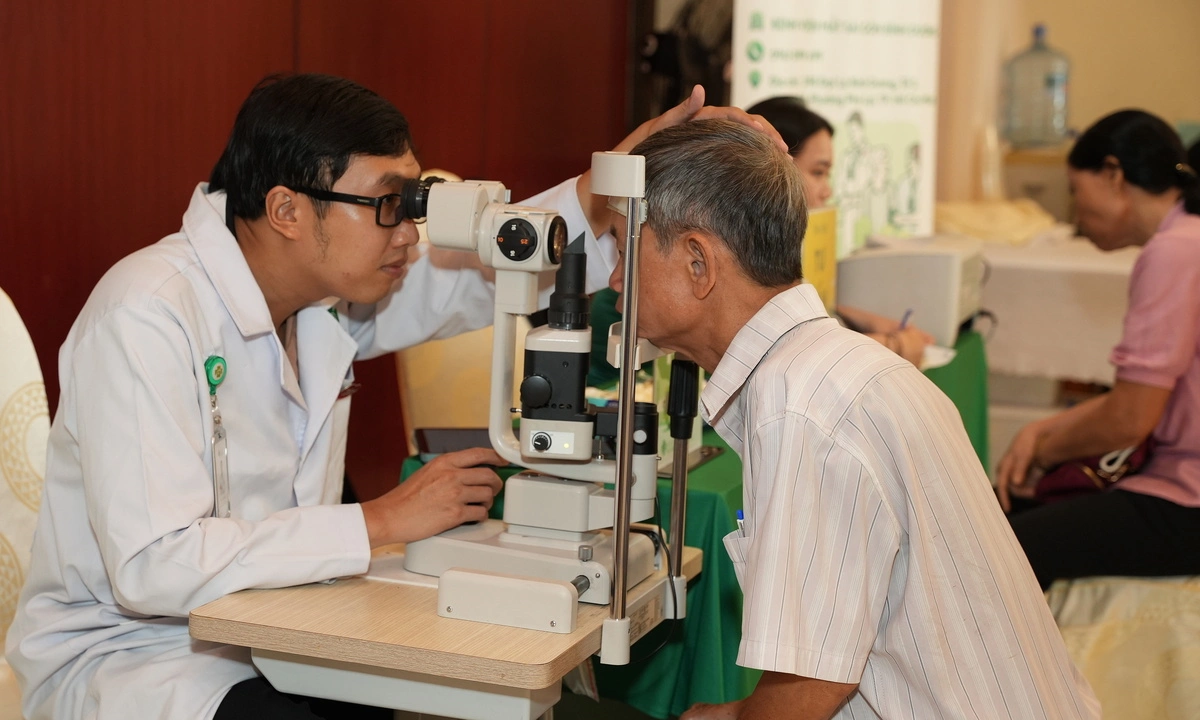
A significant portion of elderly individuals are silently enduring blindness because they mistakenly believe that vision deterioration is an inevitable part of aging. Approximately 35% of seniors who develop cataracts are unaware that this condition is treatable. Consequently, many only seek medical attention when their sight has deteriorated to near-total blindness. Modern medical science offers straightforward and definitive treatment through surgery for cataracts. This preventable blindness highlights a critical gap in public awareness regarding treatable age-related eye conditions.
The prevalence of treatable blindness among the elderly, stemming from a lack of awareness about conditions like cataracts, points to systemic issues in public health outreach and education. This situation suggests a need for proactive screening programs and accessible information campaigns targeting senior populations and their caregivers. The economic and social costs of preventable blindness, including lost productivity and increased caregiving burdens, warrant a reevaluation of resource allocation towards preventative eye care. In the context of an aging global population and advancements in medical technology, addressing such preventable conditions is crucial for maintaining quality of life and reducing healthcare system strain over the next decade.
AI-generated to prompt reflection — not editorial opinion, not advice, not a statement of fact. How this works.