Elderly Care Facility Replaces Night Staff with Cameras, Residents Found Crying and Soiled
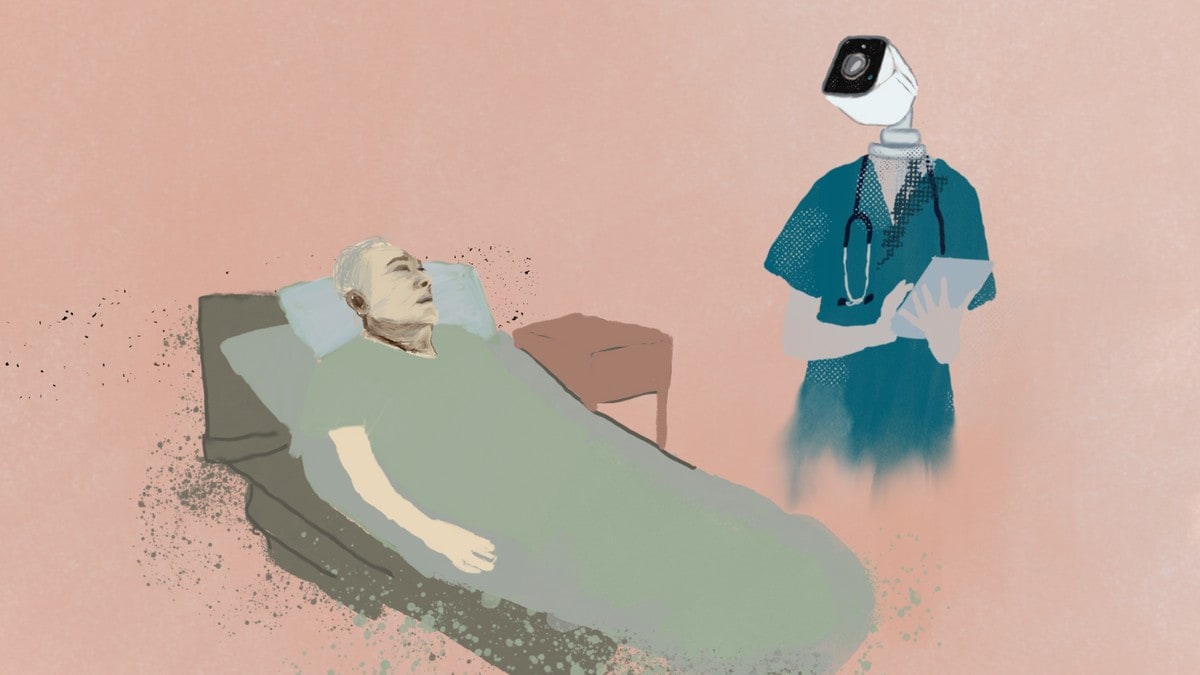
Staff at an Oslo nursing home have raised concerns after night caregivers were reportedly replaced by cameras in residents' rooms. Employees have sounded the alarm, highlighting a situation where residents were found crying and wet with urine. This change in staffing strategy has led to significant distress among the elderly individuals under care. The decision to substitute human oversight with surveillance technology appears to have had immediate negative consequences for the well-being of the residents. The affected facility is located in Oslo, Norway. The specific nursing home has not been named in the report, but the alarm has been raised by its employees. The situation underscores a potential disconnect between technological solutions and the fundamental need for human compassion and care in elder living facilities. Further investigation into the impact of such staffing changes on vulnerable populations is warranted.
The reported substitution of night caregivers with surveillance cameras at an Oslo nursing home raises critical questions about the balance between technological efficiency and human-centered care. While cameras can offer a form of monitoring, they lack the capacity for empathetic interaction, immediate comfort, and nuanced judgment that human staff provide. This situation highlights a potential systemic overreliance on technology to address staffing shortages or cost-saving measures, which may inadvertently compromise the dignity and well-being of vulnerable residents. The incident prompts consideration of governance frameworks for elder care facilities, emphasizing the irreplaceable role of human connection and the ethical implications of deploying surveillance in place of direct human support. Future approaches should prioritize integrated models that leverage technology to augment, rather than replace, essential human caregiving functions, ensuring residents receive both physical safety and emotional reassurance.
AI-generated to prompt reflection — not editorial opinion, not advice, not a statement of fact. How this works.