Elderly Couple Killed by Black Bear in Rural Saskatchewan
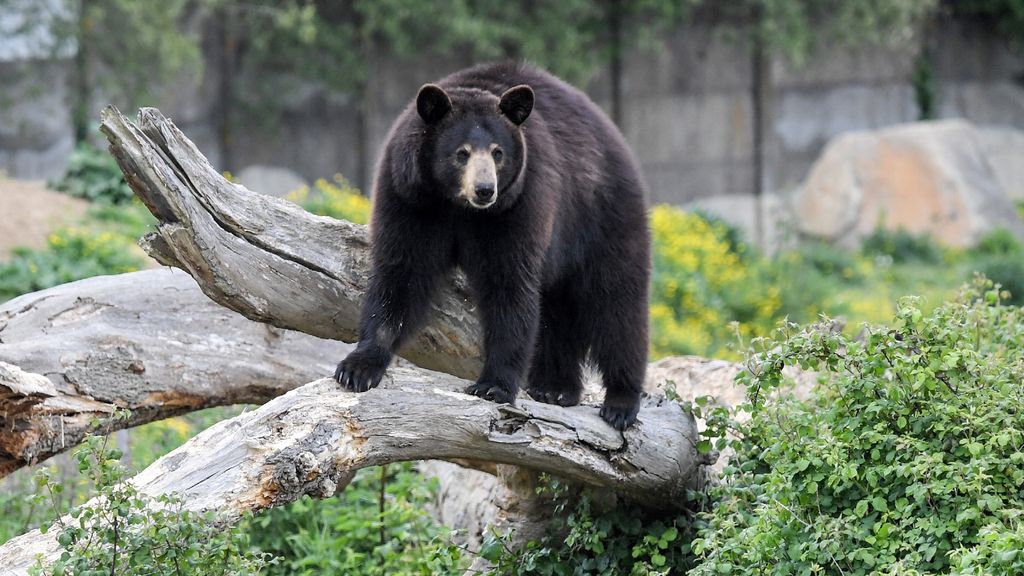
A black bear fatally attacked an elderly couple in northern Saskatchewan, Canada, near McTavish Lake. Local authorities confirmed the incident to Canadian media. The victims, a retired couple in their 70s from Regina, were reportedly staying at their cabin in the area, a place they frequented. The man's brother told CBC News that the couple was at the lake for activities including fishing and had previously encountered black bears in the vicinity. Concerns were raised when the couple did not respond to family phone calls, prompting the police to be notified. The man's body was discovered by the lake shore, while the woman's body was found the following day in a nearby wooded area after an initial search was postponed. Wildlife officials located and euthanized the bear, which will be sent to a Canadian veterinary school for examination. Police have concluded their investigation, deeming the deaths non-suspicious. Local officials have issued a warning urging residents, cabin owners, visitors, and outdoor recreation users to exercise caution and avoid encounters with wildlife in the region.
This tragic event highlights the inherent risks of human-wildlife coexistence in natural habitats. While black bear attacks are rare, they underscore the need for robust wildlife management strategies and public education. The decision to euthanize the bear and send it for examination reflects a common response to such incidents, aiming to understand the animal's behavior and prevent future occurrences. Moving forward, authorities must balance conservation efforts with public safety, potentially through enhanced monitoring, habitat management, and clear guidelines for minimizing human-animal conflict. The incident also prompts reflection on the increasing encroachment of human settlements into wildlife territories and the long-term implications of such trends in an era of climate change and habitat disruption.
AI-generated to prompt reflection — not editorial opinion, not advice, not a statement of fact. How this works.