Elderly Couple Loses Home to Fallen Tree During Severe Storm in Ribeirão Preto
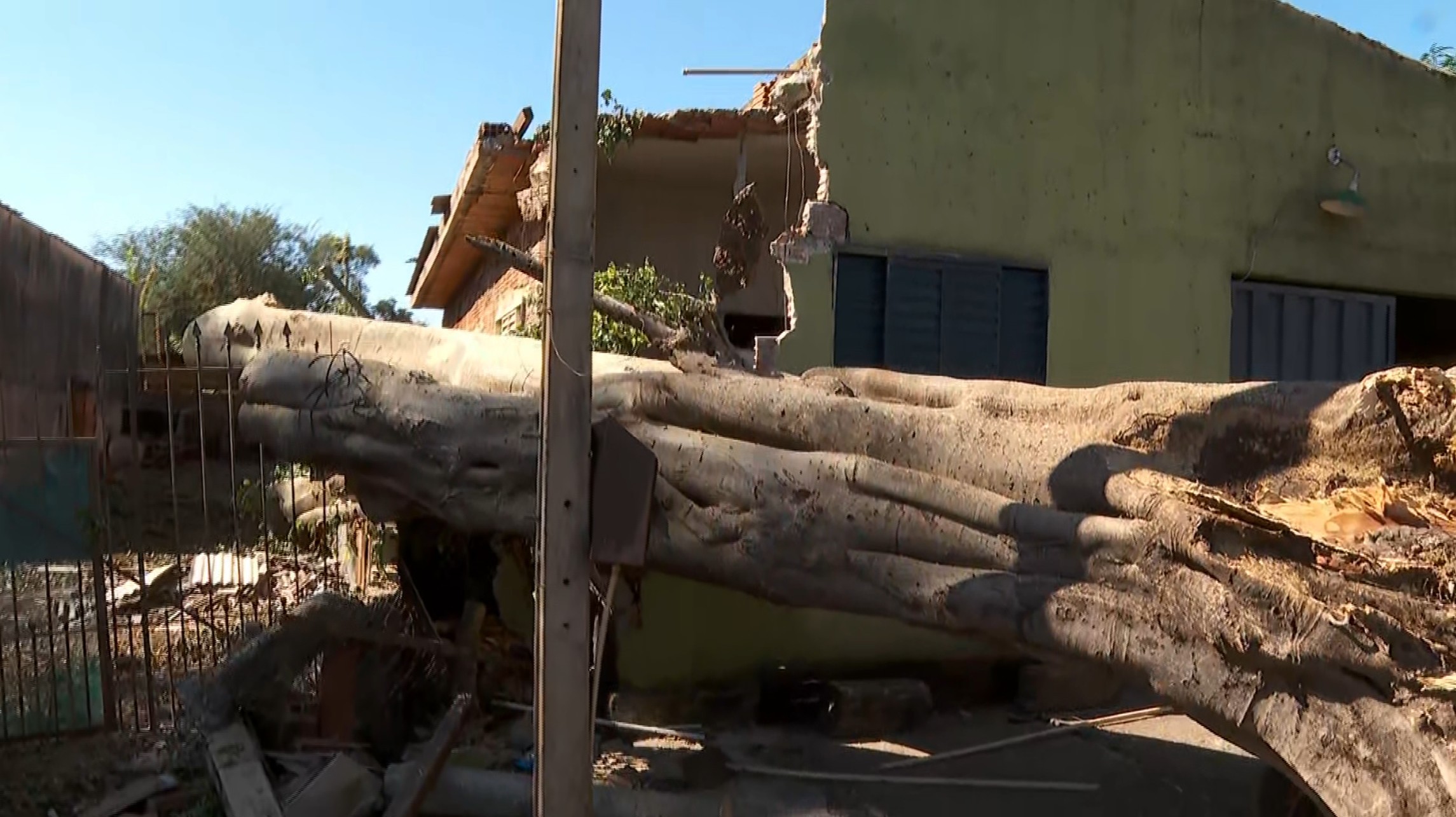
An elderly couple in Ribeirão Preto, São Paulo, is struggling to rebuild their home after a large tree fell on it during a severe storm last Friday, May 24th. Retiree José Valter Pereira, 71, and his wife Claudete da Silva, were forced to sleep in their car for two nights following the incident. The tree, which remains on their property, caused extensive damage to the front of their house and kitchen. The storm also ripped off part of the roof, leading to leaks. Pereira expressed deep sadness and fear, worrying that another damaged tree in front of their home could cause further destruction, leaving them with no options as they lack the financial means to rebuild. The couple lost appliances, furniture, and mattresses. Claudete is appealing for help to repair their home, stating they are retirees with no funds for construction materials or labor. Over 72 hours after the storm, Ribeirão Preto still had 1,249 homes without power, and Guariba reported 3,800 customers awaiting power restoration. City crews are working to remove over 250 fallen trees, with winds reportedly reaching up to 160 km/h according to some measurements, though officially recorded at 121 km/h. Governor Tarcísio de Freitas described the event as unprecedented. Vice President Geraldo Alckmin announced that the federal government would immediately recognize the state of emergency in several affected cities, including Ribeirão Preto, to facilitate aid and reconstruction efforts.
This event highlights the increasing vulnerability of urban infrastructure and residential housing to extreme weather phenomena, which are projected to intensify due to climate change. The incident underscores the critical need for robust urban planning and tree management strategies that account for potential high-wind events and the structural integrity of older homes. The reliance on immediate humanitarian aid and federal emergency declarations points to a systemic gap in local resilience and disaster preparedness funding. Future considerations should include incentivizing climate-resilient construction, enhancing early warning systems for severe weather, and developing proactive maintenance programs for public and private trees in densely populated areas to mitigate such devastating impacts.
AI-generated to prompt reflection — not editorial opinion, not advice, not a statement of fact. How this works.