Elderly Couple Sleeps in Car After Tree Destroys Ribeirão Preto Home
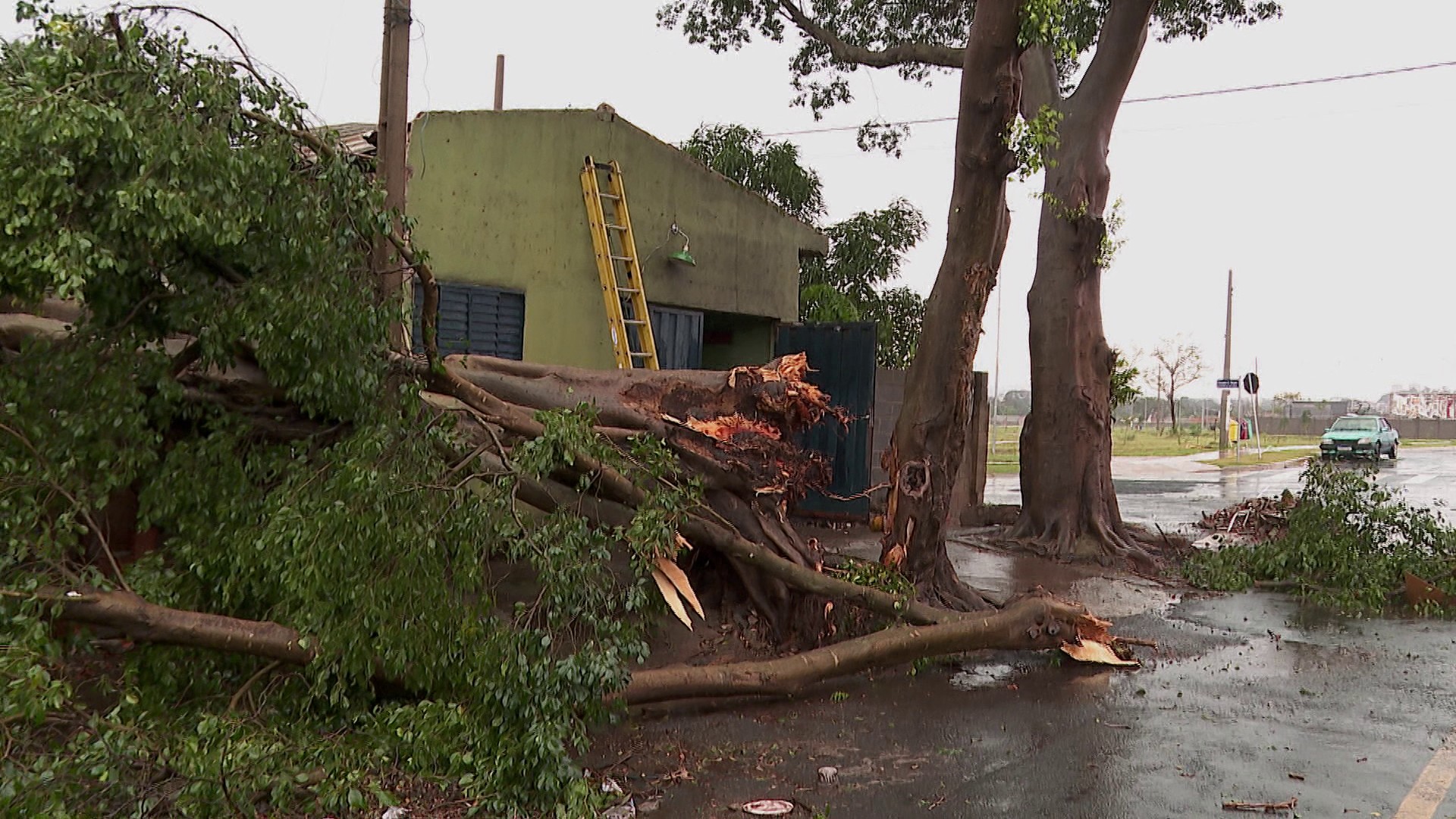
An elderly couple in Ribeirão Preto, São Paulo, is forced to sleep in their car after a severe storm destroyed their home. The incident occurred last Friday, July 24th, when winds reaching 122 km/h caused a large tree to fall on their house in the Jardim Jóquei Clube neighborhood. The property sustained significant damage, including a collapsed section of the roof, cracks throughout the structure, and is now uninhabitable for Claudete da Silva and José Valter Pereira, both 71 years old. They lost nearly all their belongings inside the house, including furniture and appliances. The couple has sought refuge in their car due to safety concerns about the remaining damaged structure. The Ribeirão Preto City Hall has directed displaced individuals to seek assistance at the Estação da Cidadania. The storm caused widespread devastation across the region, leading to power outages affecting nearly the entire city, water supply disruptions, and failures in internet and traffic light systems. Over 250 utility poles and 34 transmission towers were damaged, leaving thousands without electricity for days. The storm also resulted in 1,326 people being displaced and 10 left homeless, with one fatality reported. The state government has provided humanitarian aid and deployed emergency response teams, while the federal government has recognized the emergency situation in six cities to facilitate resource allocation.
The severe weather event in Ribeirão Preto highlights the vulnerability of residential infrastructure to extreme climate phenomena. The incident underscores the critical need for robust urban planning and building codes that account for increasingly unpredictable weather patterns, potentially exacerbated by climate change. The response from local and state authorities, including the provision of emergency shelters and federal aid, addresses immediate needs but also points to systemic challenges in disaster preparedness and recovery. Future resilience strategies should focus on proactive measures such as tree management in urban areas, reinforcement of housing structures, and improved early warning systems to mitigate the impact of such events and ensure the safety and stability of affected communities.
AI-generated to prompt reflection — not editorial opinion, not advice, not a statement of fact. How this works.