Elderly Dog Adopted After Four Years in Shelter in São Paulo
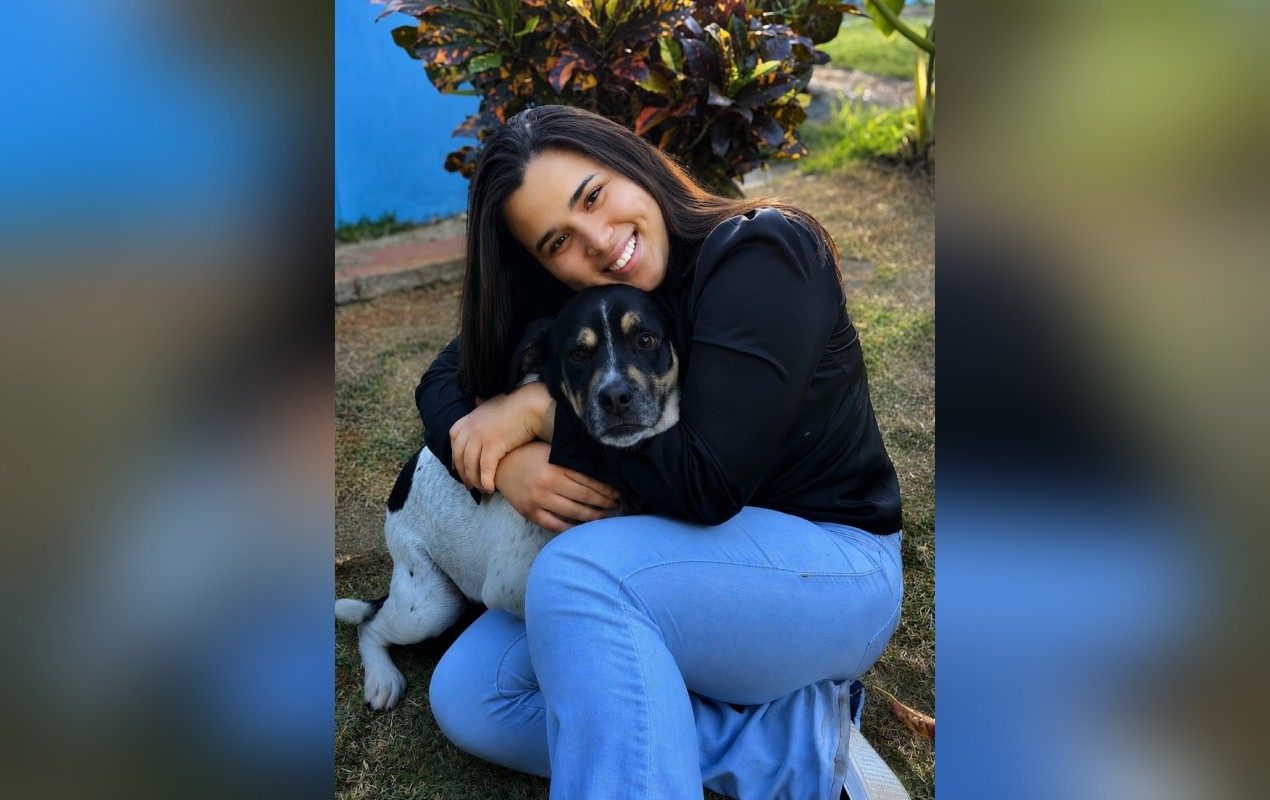
An eight-year-old mixed-breed dog named Jorge has found a forever home after spending four years at the União Internacional Protetora dos Animais (Uipa) shelter in Itapetininga, São Paulo. Jorge was found abandoned on the Rodovia Gladys Bernardes Minhoto highway in 2022, appearing paralyzed and unable to move, prompting his rescue by Uipa. Despite his age and the trauma of being abandoned, Jorge was adopted on Tuesday, the 14th, by Hellen Thallya Nunes Paz da Cruz, 18. Hellen and her family were initially looking to adopt a younger female dog but were immediately captivated by Jorge's gentle, sweet, and affectionate nature. Hellen expressed deep fulfillment in adopting an older dog for the first time, stating it motivated her to continue doing so. She acknowledged the difficulty of leaving the shelter without taking all the animals and noted that Jorge was initially hesitant due to his long confinement. The shelter's manager, Fernanda Nery, highlighted the challenges of adopting older dogs, emphasizing their calm temperaments and the deep satisfaction they offer. The veterinarian, Juliana Sonoda, advised that while animals from shelters may exhibit stress or insecurity, they are capable of adapting to new routines with patience, consistent care, and a stimulating environment. The shelter also highlighted the case of another long-term resident, Capi, an eight-year-old dog rescued as a puppy from a deactivated landfill in 2018, who is still awaiting adoption.
This heartwarming adoption story underscores the significant societal challenge of animal homelessness and the dedication of rescue organizations. While celebrating individual success, it implicitly reveals systemic issues in pet overpopulation and the difficulties older animals face in adoption pipelines. The narrative highlights the emotional appeal of adopting, but a rational perspective considers the resource allocation required for long-term shelter care and the potential for behavioral challenges in animals with extended institutionalization. Future societal progress may involve proactive measures like broader spay/neuter initiatives and educational campaigns that normalize the adoption of senior pets, shifting focus from breed or age to the fundamental need for companionship and responsible pet ownership. The long wait times for animals like Jorge and Capi suggest a persistent gap between available homes and animals in need, prompting consideration of scalable solutions and community engagement strategies.
AI-generated to prompt reflection — not editorial opinion, not advice, not a statement of fact. How this works.