Elderly Domestic Worker Exploited for 55 Years Receives Partial Compensation
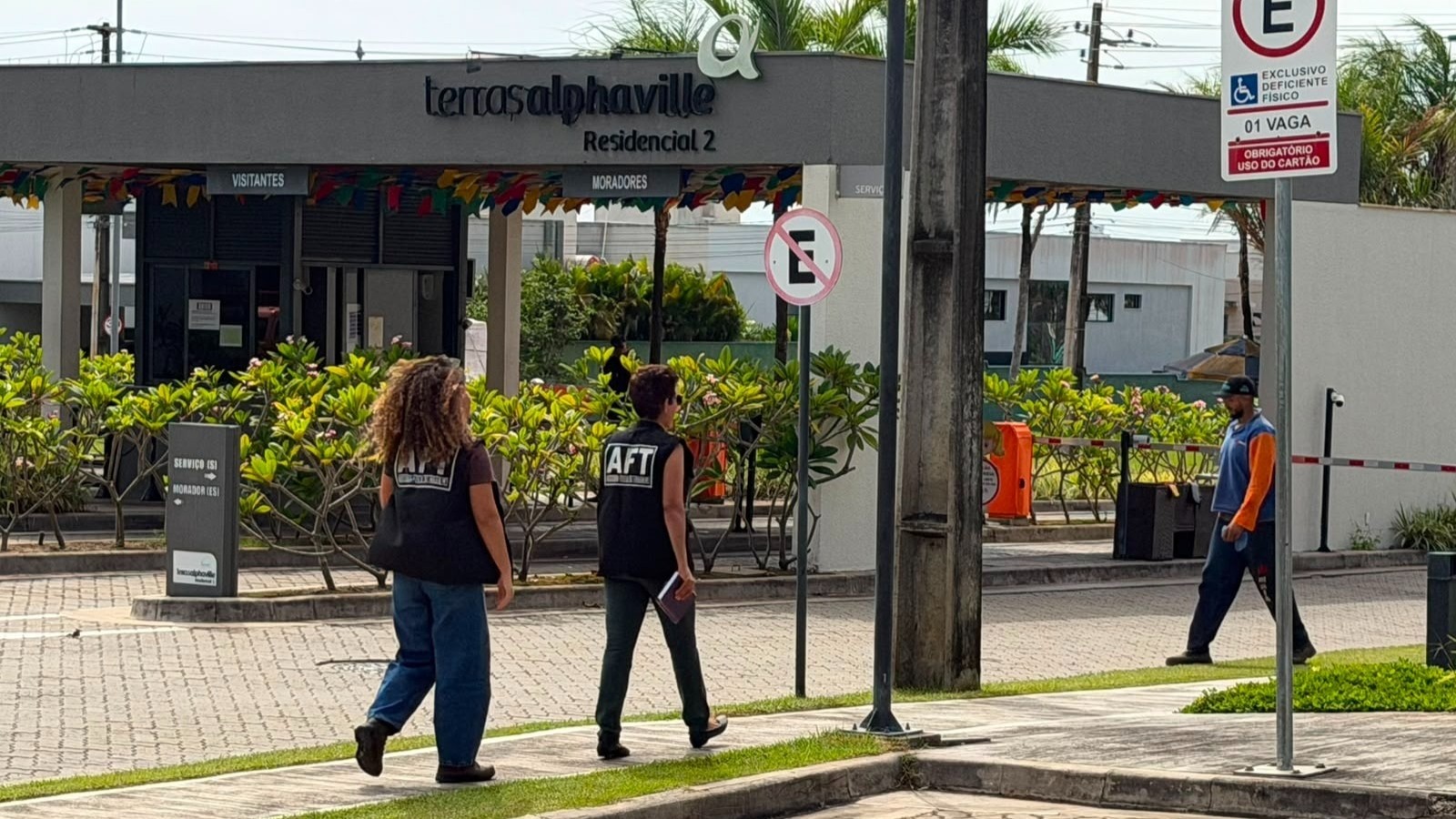
An elderly domestic worker in Eusébio, near Fortaleza, Brazil, who was subjected to conditions analogous to slavery for 55 years, will receive R$ 50,000 in severance pay, a furnished R$ 150,000 apartment, and guaranteed pension contributions. This compensation is part of a Conduct Adjustment Agreement (TAC) signed by her employers. The Labor Audit initiated in late June revealed that the employer acknowledged the lack of formal employment and irregular payment of wages. Labor authorities estimate the total labor credits, including unpaid wages, vacation pay, 13th salaries, FGTS, severance, and overtime, could exceed R$ 1.5 million. However, the employment bond recognized for payment purposes only covers the period from July 21, 2014, onward, hence the initial compensation amount.
The case highlights systemic failures in labor law enforcement and societal awareness regarding domestic servitude, particularly its intersection with racial discrimination in Brazil. While the Conduct Adjustment Agreement provides immediate relief, it underscores the challenge of fully rectifying decades of exploitation due to statutory limitations on retroactive claims. The newly enacted Law 15.455 aims to strengthen protections for domestic workers rescued from slave-like conditions, offering enhanced social benefits and reintegration programs. This legislation reflects a growing recognition of the state's responsibility to provide not only compensation but also pathways to economic independence and prevention of future exploitation, addressing the deep-seated structural issues that enable such abuses.
AI-generated to prompt reflection — not editorial opinion, not advice, not a statement of fact. How this works.