Elderly Man Arrested with Cloned Car on BR-040 Highway in Juiz de Fora
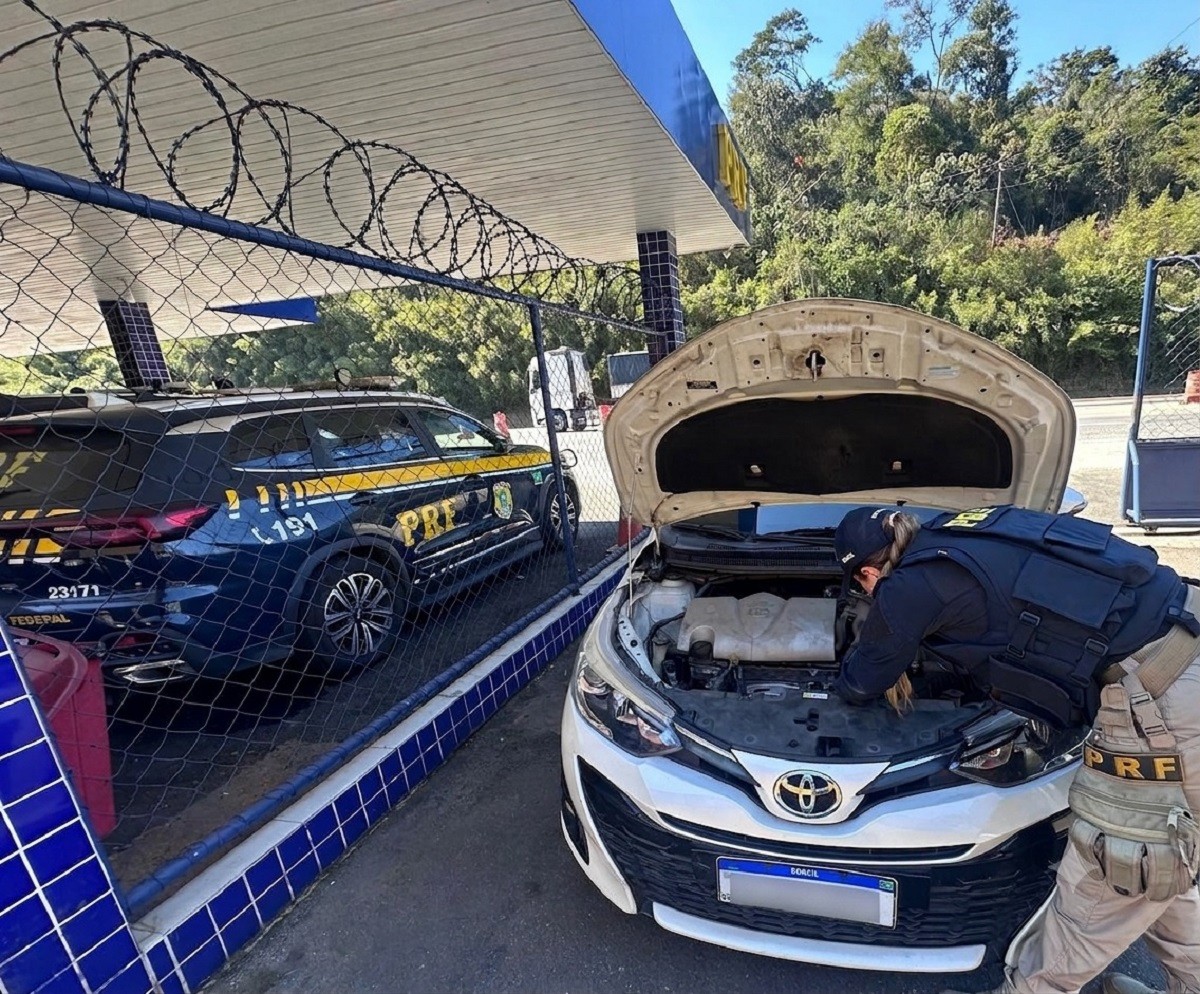
Federal Highway Police (PRF) apprehended a 70-year-old man on Wednesday, May 29th, in Juiz de Fora, Brazil, for driving a cloned vehicle on the BR-040 highway. The incident occurred at a PRF operational unit located at kilometer 770. Authorities became suspicious when the QR code on the vehicle's license plate, belonging to a white Toyota Yaris, did not register in the system. A detailed inspection revealed signs of tampering with the car's identification markers. Further investigation of the chassis number confirmed that the vehicle had been reported stolen on September 28, 2024, following a robbery in Mesquita, a municipality in the metropolitan region of Rio de Janeiro. The driver claimed he had purchased the car approximately ten days prior in Cataguases, Minas Gerais, for R$ 75,000. His payment included a Jeep Willys as a trade-in and the remainder in cash installments. Consequently, the elderly man was arrested for altering vehicle identification signals and receiving stolen goods. He was taken to the Juiz de Fora Civil Police Station, and the vehicle was seized and impounded pending its return to the rightful owner.
This incident highlights the persistent challenge of vehicle cloning and theft within Brazil's road networks. The PRF's detection method, involving QR code verification and detailed physical inspections, demonstrates an evolving approach to combating these crimes. The driver's claim of purchasing the vehicle recently for a significant sum, while offering a partial explanation, raises questions about the due diligence exercised in such transactions and the potential for organized criminal networks to exploit unsuspecting buyers. The case underscores the importance of robust vehicle identification systems and consumer awareness regarding the risks associated with purchasing used vehicles, particularly when the transaction involves substantial cash payments or exchanges of other vehicles. Future efforts may focus on enhancing digital verification processes and public education campaigns to mitigate the market for stolen and cloned vehicles.
AI-generated to prompt reflection — not editorial opinion, not advice, not a statement of fact. How this works.