Elderly Man Declared Dead, Denied Benefits for Nine Months
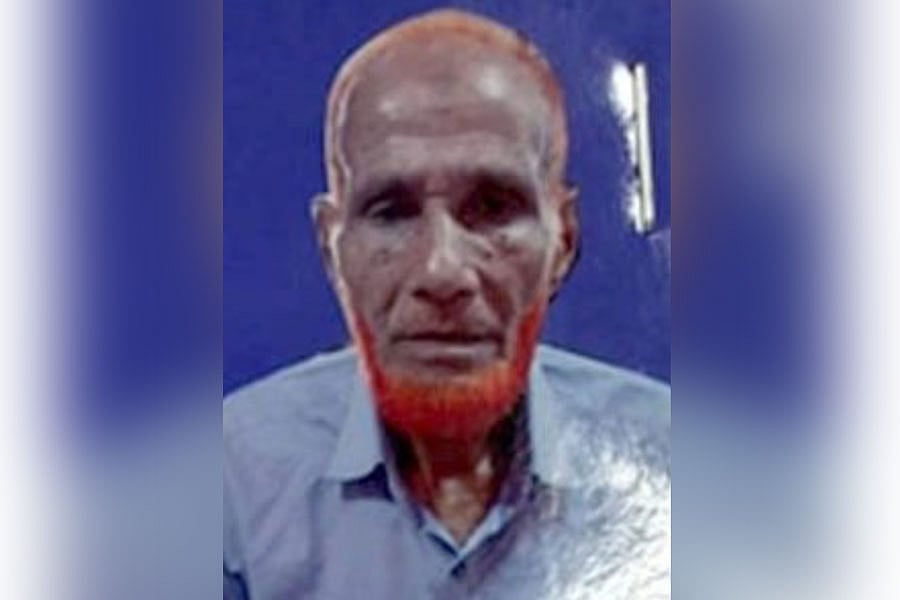
An elderly man from Afghanistan has been officially declared deceased in a certificate issued in 2024, despite being alive. Consequently, he has been denied his elderly allowance for the past nine months. He has lodged a complaint with the District Commissioner regarding this erroneous status. The situation highlights a critical administrative failure that has left the individual without essential financial support. The certificate of death, issued erroneously, has directly impacted his ability to receive his rightful benefits. The man is seekingrectification of his status and the restoration of his allowance. The District Commissioner's office is expected to investigate the circumstances surrounding the incorrect death certification. This incident raises concerns about the accuracy of vital records and the potential for such errors to cause significant hardship to vulnerable citizens. The resolution of this case is crucial to ensure the man receives the support he is entitled to and to prevent similar occurrences in the future.
This case illustrates a breakdown in administrative processes, where an erroneous vital record has directly impacted an individual's access to social welfare. The discrepancy between the official death certificate and the individual's living status has created a nine-month gap in benefit disbursement. Such errors can stem from data entry mistakes, identification issues, or systemic flaws in verification protocols. The recourse through the District Commissioner's office is a necessary step for correction, but it points to a broader need for robust oversight and auditing of citizen data to prevent financial hardship and ensure the integrity of social support systems. Future systems should incorporate more frequent, automated cross-checks between living status and benefit eligibility to mitigate such critical failures.
AI-generated to prompt reflection — not editorial opinion, not advice, not a statement of fact. How this works.