Elderly Man Dies After Being Attacked by His 15-Year-Old Son in Brazil
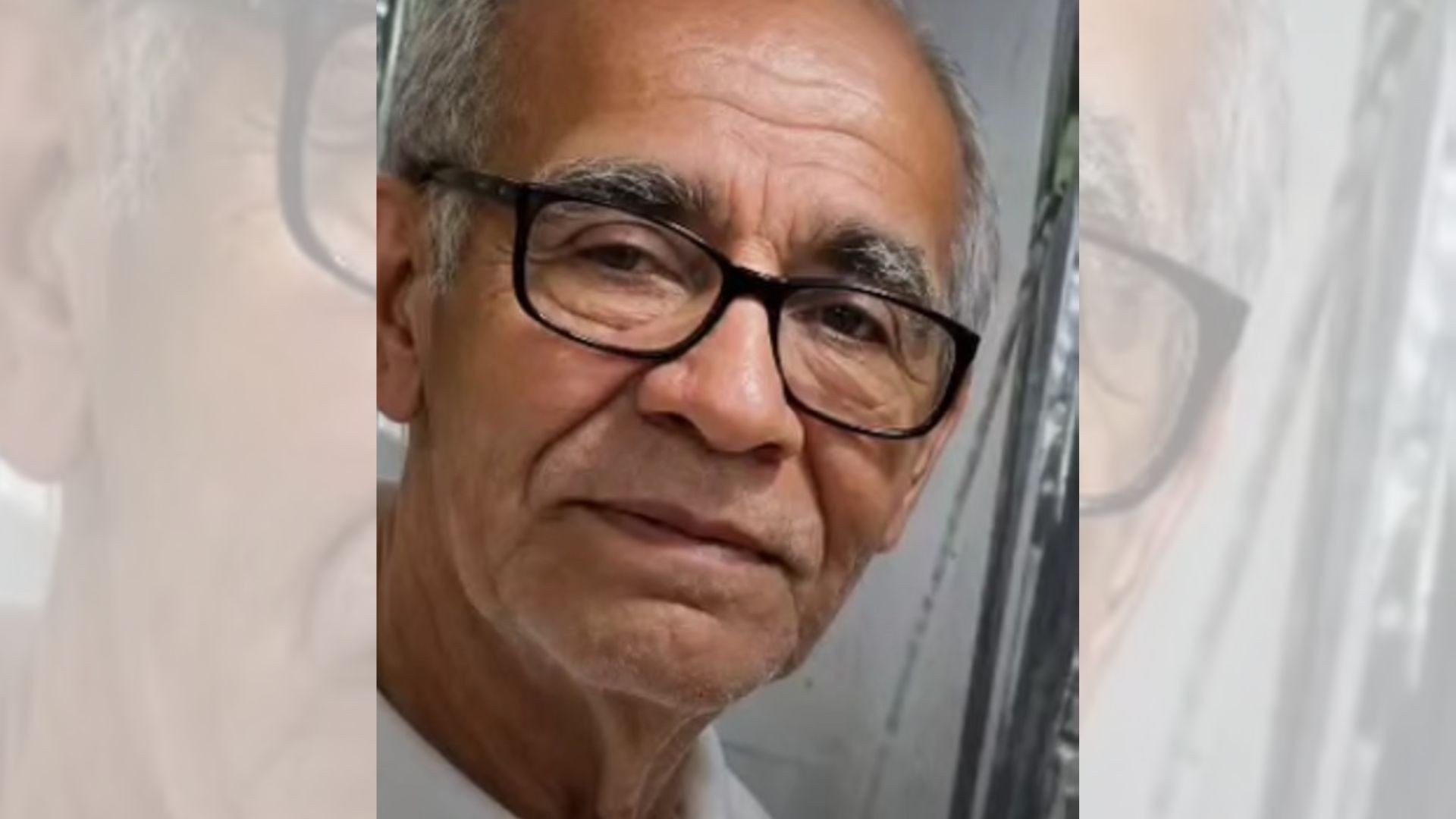
Euclides Basto de Sousa, a 69-year-old retiree, has died from injuries sustained during an attack by his 15-year-old son in Marília, São Paulo, Brazil. The incident occurred on Wednesday, September 22nd, when the teenager reportedly had a "surto" (outburst) and began assaulting his 65-year-old mother. Mr. de Sousa intervened to protect his wife and was subsequently attacked with punches to the head and abdomen, causing him to fall. He was initially taken to an emergency care unit where he suffered cardiac arrest and required resuscitation before being transferred to the intensive care unit at Santa Casa de Marília. He remained hospitalized for six days before his death on Tuesday, September 28th. The teenager's sister and her daughter also attempted to intervene and were reportedly assaulted with punches, kicks, and bites. Police were alerted by neighbors and found the adolescent outside the residence. He was taken to a police station accompanied by child welfare representatives. Initially, the case was classified as a "preliminary offense analogous to attempted homicide" for the attack on his father and "preliminary offense analogous to qualified bodily harm in the context of domestic violence" for the assaults on his mother, sister, and niece. The Civil Police ordered the teenager's immediate apprehension and requested his provisional detention in a socio-educational institution. Following Mr. de Sousa's death, the charges are expected to be reclassified to "preliminary offense analogous to homicide." Euclides Basto de Sousa was buried on Wednesday, September 29th, in Marília.
This tragic event highlights the critical need for robust mental health support systems, particularly for adolescents experiencing behavioral crises. The incident underscores the complex interplay between family dynamics, potential underlying psychological distress, and the devastating consequences that can arise when such issues are not adequately addressed. From a societal perspective, the legal framework's classification of the offense, initially as attempted homicide and later potentially as homicide, reflects the gravity of the outcome. However, the focus should also extend to preventative measures, including early intervention programs and accessible counseling services for families facing similar challenges. Understanding the root causes of such outbursts is paramount to developing effective strategies that prioritize both public safety and the well-being of young individuals, aiming to prevent future occurrences through comprehensive support rather than solely punitive measures.
AI-generated to prompt reflection — not editorial opinion, not advice, not a statement of fact. How this works.