Elderly Man Dies as Warehouse Roof Collapses on Home During Ribeirão Preto Storm
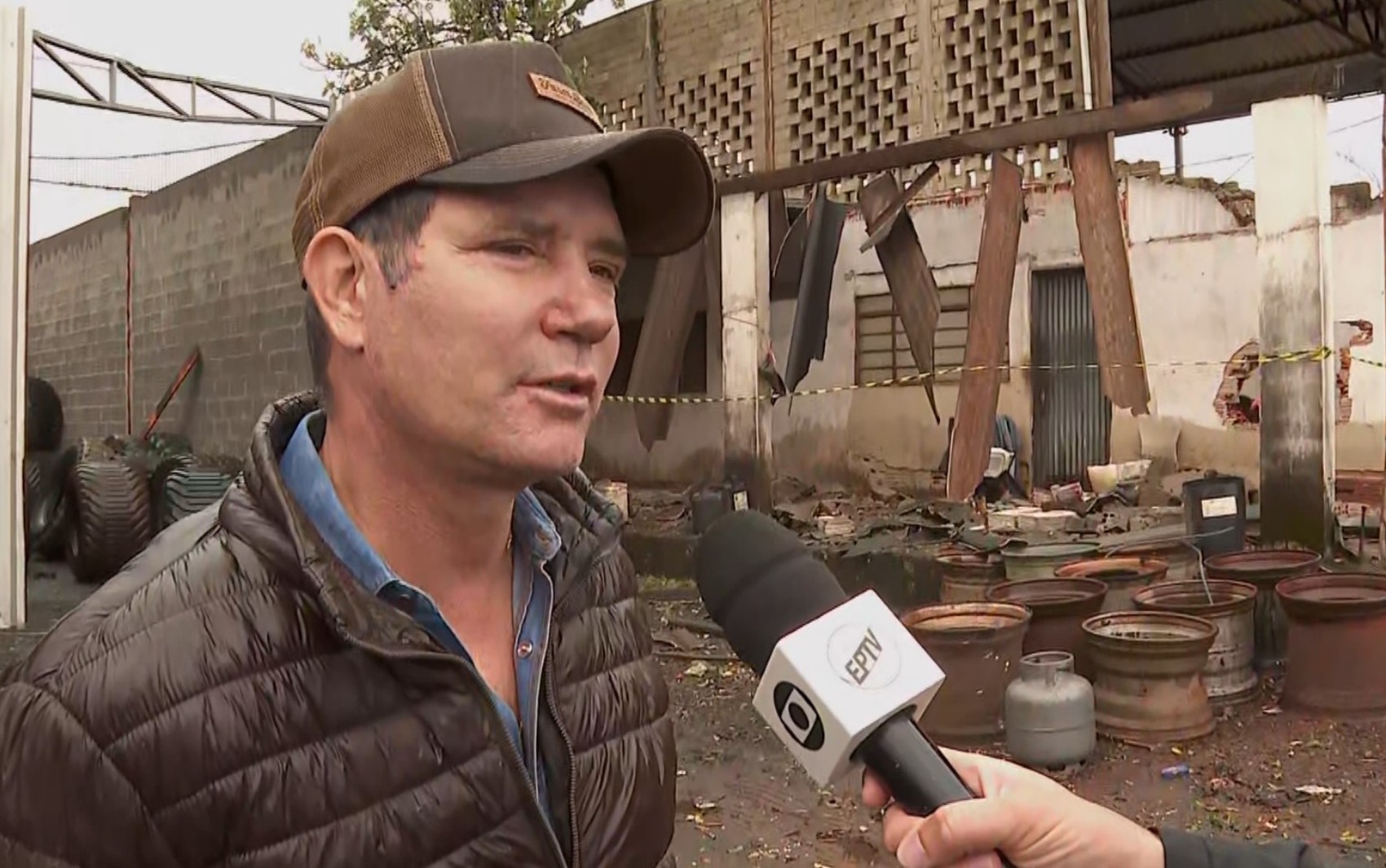
An 82-year-old man died in Ribeirão Preto, São Paulo, when a warehouse roof collapsed onto his house during a severe storm early Friday, May 24th. The businessman who owned the warehouse, Evandro Fraga, stated that the victim was asleep when the strong winds caused the structure to give way. Fraga's employees discovered the tragedy when they arrived for work and noticed the elderly man, who usually opened the warehouse gate, was absent. Upon investigating his home, they found the structure destroyed and the victim already deceased, buried under debris. The incident is being treated as a fatality. The storm caused widespread damage across Ribeirão Preto, impacting electricity, water, telephone, and internet services, as well as radio signals. The Municipal Civil Defense reported that the intense rain lasted approximately 30 minutes, with wind gusts reaching about 70 km/h, leading to numerous fallen trees. The city recorded 24 millimeters of rain in just 20 minutes, a volume classified as very heavy. In response to the extensive damage, Mayor Ricardo Silva declared a state of emergency for 180 days. Hospitals, including the Emergency Unit of the Hospital das Clínicas and Hospital Santa Lydia, were also affected. CPFL Paulista is working to restore power, with assistance from Civil Defense and Firefighters, in Ribeirão Preto and surrounding cities like Dumont, Barrinha, Guariba, Santa Ernestina, Sertãozinho, and Taquaritinga.
This incident highlights the critical importance of structural integrity and urban planning in areas prone to extreme weather events. The collapse underscores the potential vulnerabilities of residential properties situated adjacent to industrial or commercial structures, particularly in the face of increasingly unpredictable meteorological patterns attributed to climate change. The immediate aftermath, including widespread utility disruptions and the declaration of a state of emergency, points to systemic challenges in municipal resilience and infrastructure maintenance. Moving forward, regulatory frameworks may need to be re-evaluated to ensure adequate safety margins for buildings, especially those in proximity to potentially hazardous structures, and to enhance preparedness for severe weather, considering the projected intensification of such events in the coming decade.
AI-generated to prompt reflection — not editorial opinion, not advice, not a statement of fact. How this works.