Elderly patient dies after mistaken surgery at Campinas hospital
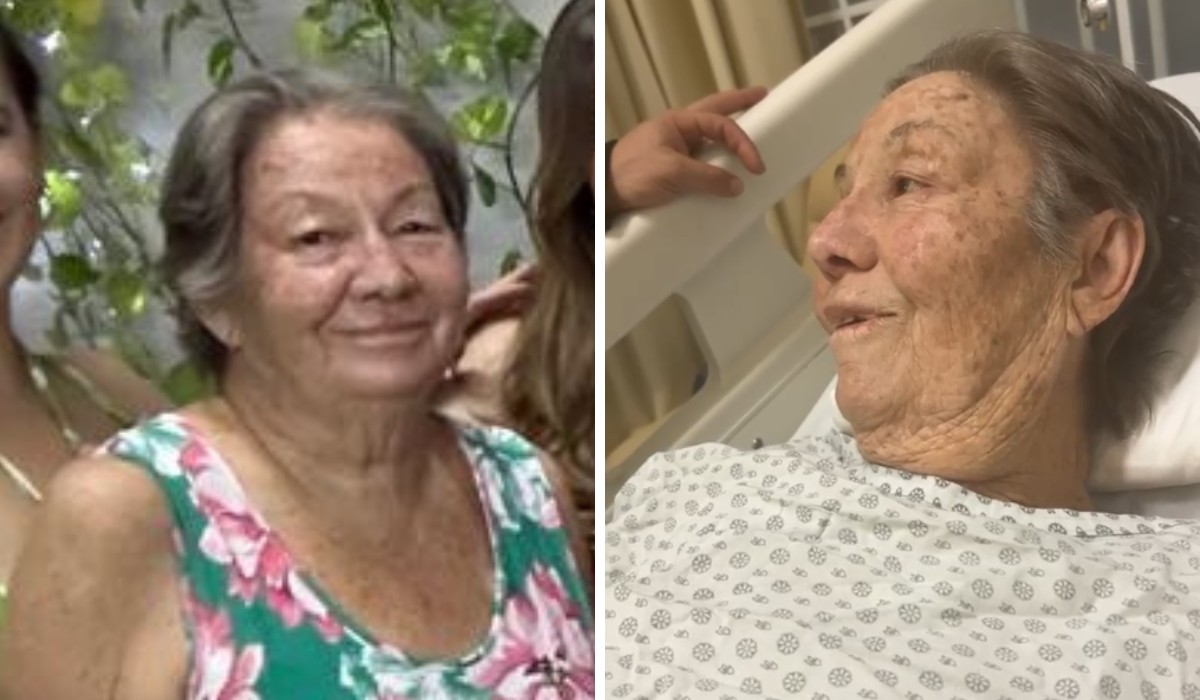
Jandira Marina Dias Braga, a 76-year-old woman, died three days after undergoing a surgery intended for another patient at the Beneficência Portuguesa Hospital in Campinas, São Paulo. Ms. Braga had been admitted on June 7, 2026, for treatment of an intestinal obstruction caused by a recurrence of colon cancer. She had previously overcome colon cancer 12 years prior and was using a colostomy bag, which had stopped functioning, leading to her hospitalization and severe abdominal pain. On the evening of June 8, she was mistakenly subjected to an endoscopic gastrostomy, a procedure typically for abdominal tumors or feeding tube placement, not directly for intestinal cancer treatment. The error was discovered after the surgery during a shift change when staff noticed the correct patient remained in her room and checked Ms. Braga's identification bracelet. Following the procedure, Ms. Braga experienced mental confusion, hypotension, decreased oxygen saturation, and cardiac rhythm alterations, leading to her transfer to the ICU on June 9. Her condition rapidly deteriorated, showing signs of sepsis and vomiting what appeared to be fecal matter, prompting the medical team to pursue palliative care. She passed away on June 11, 2026. The hospital has admitted the error, initiated an internal investigation, and taken administrative action against involved professionals, including dismissals. They maintain that a medical assessment concluded the surgery did not alter Ms. Braga's prognosis. The Civil Police have opened a culpable homicide investigation, and both the Regional Council of Medicine (Cremesp) and the Regional Council of Nursing (Coren-SP) have also launched separate inquiries into the conduct of the medical and nursing staff involved.
This tragic incident highlights critical systemic failures in patient identification and surgical protocol adherence within healthcare institutions. The hospital's admission of error and subsequent administrative actions, while necessary, underscore the immediate need for enhanced patient safety measures to prevent recurrence. The discrepancy between the family's perception of the surgery's impact and the hospital's assessment of its non-effect on prognosis warrants careful examination of internal review processes and external regulatory oversight. Moving forward, the focus should be on implementing robust technological and procedural safeguards, such as multi-factor patient verification at every stage of care, to mitigate human error. Furthermore, fostering a culture of transparent communication and accountability, supported by rigorous independent investigations, is essential for rebuilding trust and ensuring patient well-being in the face of such preventable medical errors.
AI-generated to prompt reflection — not editorial opinion, not advice, not a statement of fact. How this works.