Elderly Patient Dies After Wrong Surgery at Campinas Hospital; Family Cites 'Clinical Benefit' Claim
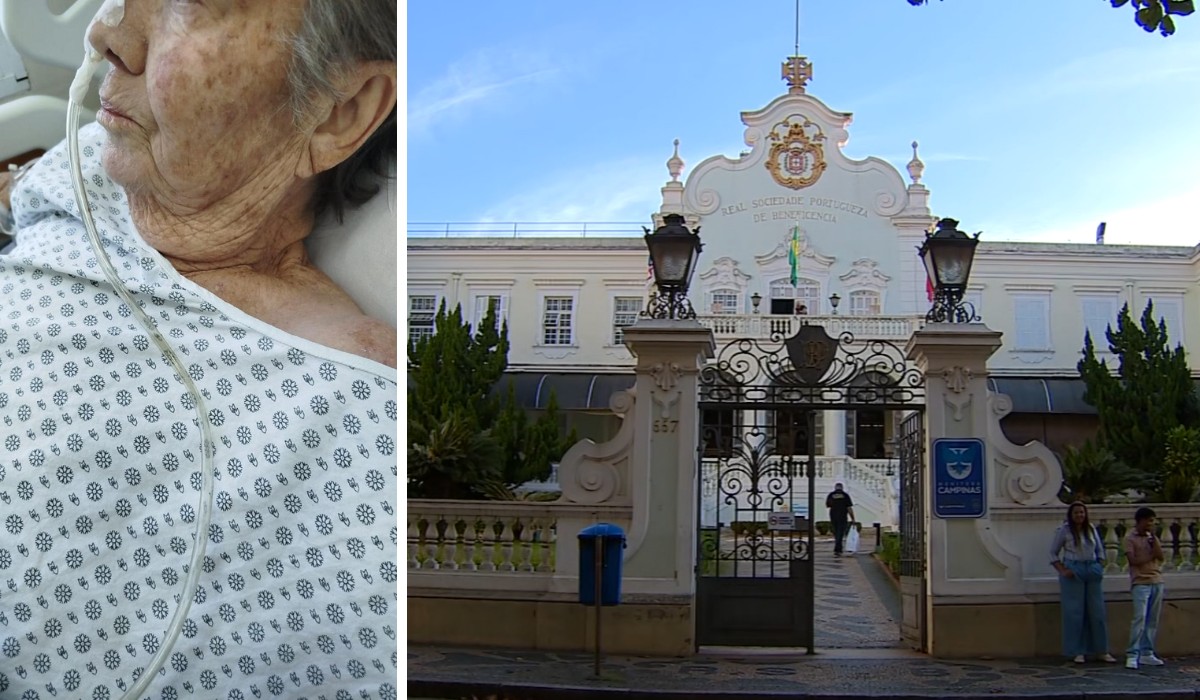
An elderly woman, 76-year-old Jandira Marina Dias Braga, died three days after undergoing surgery intended for another patient at the Hospital Beneficência Portuguesa in Campinas, São Paulo. Ms. Braga had been admitted on June 8, 2026, for treatment of intestinal obstruction due to colon cancer recurrence. She was taken to the operating room without clear explanation, where she underwent an endoscopic gastrostomy, a procedure to place a feeding tube directly into the stomach. The error was discovered only after the surgery concluded, during a shift change, when staff realized the correct patient was still in her room and checked Ms. Braga's identification bracelet. The hospital later claimed that the erroneous procedure offered a "clinical benefit" by draining fluids associated with her intestinal obstruction. However, her granddaughter, Camila Dias Barozzi, stated that Ms. Braga's condition worsened post-surgery, experiencing vomiting of fecal matter, tachycardia, and signs of sepsis, leading to her transfer to the ICU. Medical records from June 9 indicate confusion, hypotension, low oxygen saturation, and cardiac rhythm changes. The family opted for palliative care, and Ms. Braga passed away on June 11, 2026. The hospital acknowledged the adverse event, initiated an internal investigation, and took administrative measures against involved professionals, stating that a medical and technical evaluation concluded the surgery did not alter the patient's prognosis. The family intends to pursue legal action to hold those responsible accountable and advocate for improved surgical protocols to prevent future incidents. Ms. Braga had previously overcome colon cancer 12 years prior, and her oncologist believed she had a good prognosis for a normal life with chemotherapy.
This tragic incident highlights critical systemic vulnerabilities in patient identification and surgical protocol adherence within healthcare institutions. The hospital's post-error explanation of "clinical benefit" from an unintended procedure raises questions about accountability and the ethical framework governing patient care, particularly when juxtaposed with the patient's subsequent decline. The internal investigation and administrative actions, while necessary, underscore the importance of robust external oversight and transparent reporting mechanisms to build public trust. Future-proofing such systems requires a multi-layered approach, integrating advanced technological safeguards with continuous human factors training and a culture that empowers staff to identify and escalate potential errors without fear of reprisal. The family's pursuit of justice not only seeks redress but also aims to catalyze necessary reforms, emphasizing that patient safety must remain the paramount objective, superseding any perceived operational efficiencies or administrative justifications.
AI-generated to prompt reflection — not editorial opinion, not advice, not a statement of fact. How this works.