Elderly patient waits 4 days for urgent care in São Carlos, highlighting hospital bed shortages
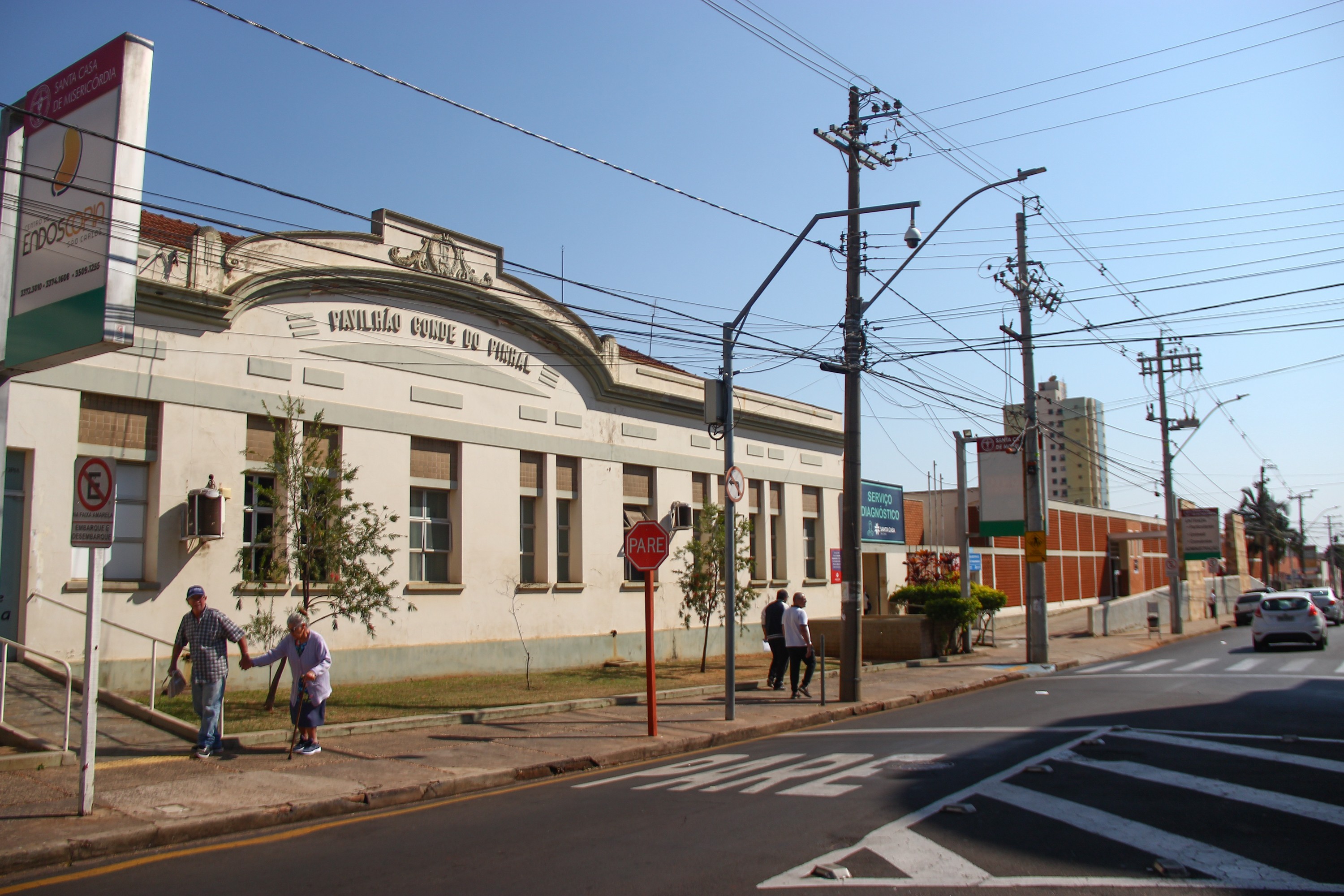
A 74-year-old woman in São Carlos, Brazil, experienced a four-day wait in an overcrowded emergency unit (UPA) due to severe pain before finally securing an urgent transfer to Santa Casa hospital. Despite her critical condition, including high potassium levels and a kidney infection, she was discharged from Santa Casa the same day. Her daughter expressed deep concern over her mother's ongoing pain and the inadequate care received. The situation in São Carlos reflects a broader crisis of hospital bed shortages, which are causing significant delays and overcrowding in UPAs. On Thursday morning, 30 individuals were awaiting transfer through the Central de Regulação de Ofertas de Serviços de Saúde (Cross). The municipality acknowledged increased UPA occupancy rates, attributing the backlog partly to delays in Cross releasing hospital beds. Other patients, like João Gabriel, who has recurring health issues, and Joana Domingos Silva, who suffered a broken arm, also faced prolonged waits for transfers. Santa Casa hospital reported operating at 100% capacity, with beds and even corridors occupied by patients, citing increased demand from cold-weather illnesses and severe trauma cases. The State Health Secretariat confirmed the patient's transfer and subsequent outpatient appointment, while the Cross regulatory body did not respond to inquiries about the delays.
The reported overcrowding and prolonged patient waits in São Carlos's healthcare facilities, particularly UPAs and Santa Casa, underscore systemic issues within Brazil's public health system. The bottleneck appears to stem from insufficient hospital bed availability, exacerbated by delays in the state's Cross regulatory system for patient transfers. This creates a cascading effect, pushing emergency services beyond their capacity and compromising patient care, as evidenced by the elderly woman's discharge despite ongoing pain. The situation highlights a critical tension between demand for immediate care and the logistical constraints of a centralized bed allocation system. Future improvements may require a multi-pronged approach, including increased investment in hospital infrastructure, streamlining transfer protocols, and potentially exploring decentralized or regionalized bed management strategies to ensure timely access to care and prevent patient suffering.
AI-generated to prompt reflection — not editorial opinion, not advice, not a statement of fact. How this works.