Elderly Vietnamese homeowners are choosing to move into apartments
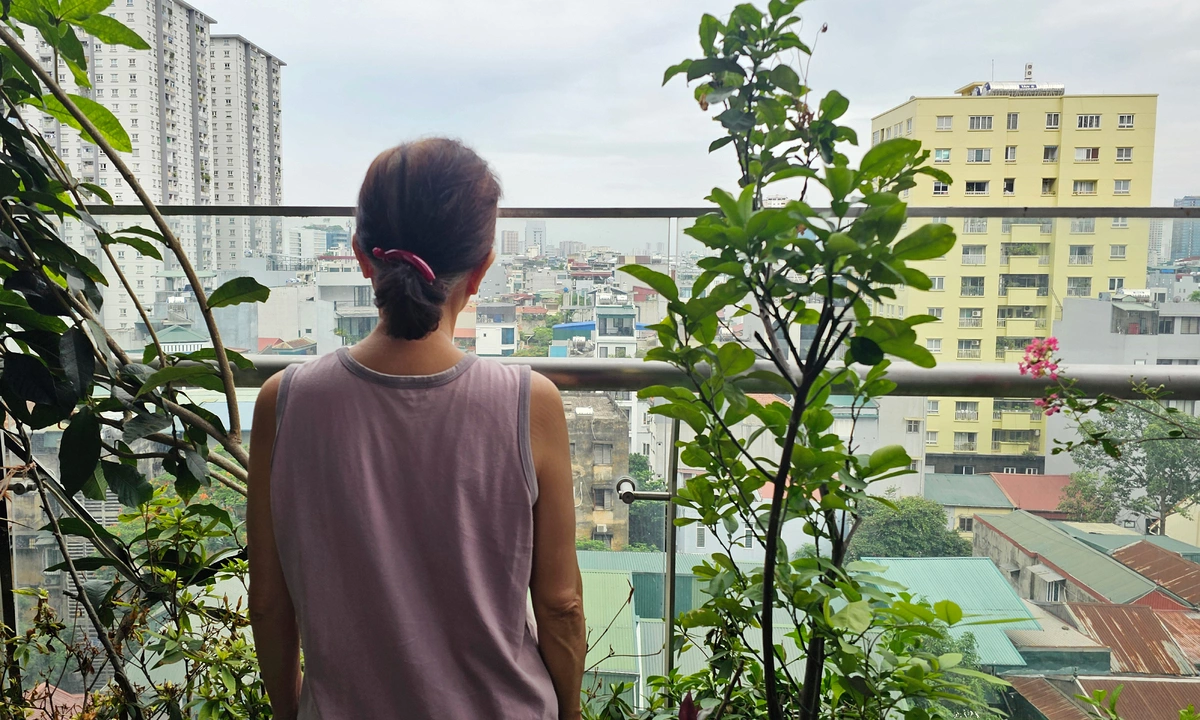
Many elderly individuals in Vietnam, who previously opposed leaving their landed properties, are now reconsidering their stance and opting to reside in apartment buildings. This shift in perspective is driven by a desire to enhance their safety and to be closer to their children and grandchildren. The decision reflects a changing attitude among some older Vietnamese citizens regarding housing preferences and family proximity. The move to apartments is seen as a practical solution for ensuring well-being and maintaining family connections in their later years. This trend highlights evolving societal norms and the practical considerations influencing housing choices for the elderly.
The observed migration of elderly individuals from landed properties to apartments signifies a complex interplay of evolving societal priorities and urban development pressures in Vietnam. While the stated motivations of safety and proximity to family are paramount, this trend also suggests a potential reevaluation of traditional housing values in favor of convenience and security. This demographic shift may reflect broader economic factors, such as the rising cost of maintaining larger homes or the increasing urbanization that makes apartment living more accessible and integrated with essential services. Future urban planning and housing policies will need to consider the specific needs and preferences of this growing elderly population, ensuring that diverse housing options cater to both tradition and modernity, while also addressing potential challenges related to community integration and access to green spaces within denser living environments.
AI-generated to prompt reflection — not editorial opinion, not advice, not a statement of fact. How this works.