Elderly Voters Surge in Uberlândia, Nearing One-Quarter of Electorate for 2026 Elections
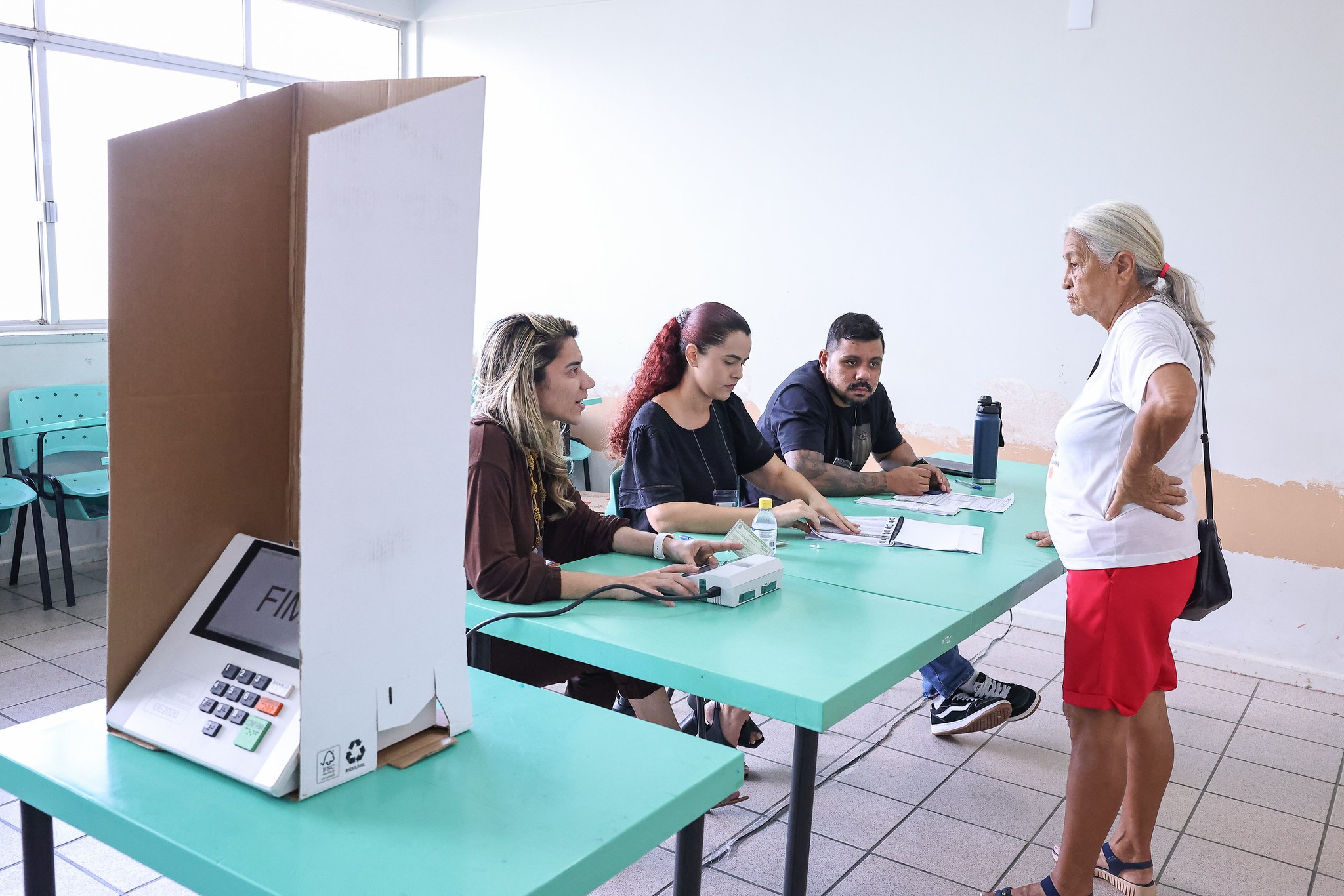
In Uberlândia, Brazil, voters aged 60 and over are projected to constitute nearly one in every four eligible voters for the 2026 elections, marking a record high for the city. This proportion has more than doubled over the past three decades, increasing from one in ten voters in 1994 to an estimated 23.4% in 2026. The total number of elderly voters has quintupled from 25,006 in 1994 to 125,877 in 2026. When compared to the total population, this demographic grew from 6.3% in 1994 to 16.2% in 2026, reflecting a national trend of population aging.
The data, compiled by the Superior Electoral Court (TSE), also reveals that 84 voters in Uberlândia are 100 years or older, though their vote is optional. Among the elderly electorate, the majority have incomplete elementary education (35.1%), while 2.5% are illiterate. Approximately 19.5% have some level of higher education. Political scientists suggest that this growing demographic, often exhibiting greater political loyalty and less inclination for abrupt changes, represents a strategic voting bloc capable of significantly influencing election outcomes.
Consequently, political campaigns are expected to increasingly focus on issues pertinent to older citizens. Key concerns frequently cited include public health, access to medication, social security, urban mobility, and public safety. Candidates presenting concrete proposals in these areas are likely to find greater receptiveness among this increasingly influential segment of the electorate.
The demographic shift in Uberlândia, with a significant rise in elderly voters, highlights a national trend of population aging and its implications for political landscapes. This growing bloc, characterized by potentially higher voter loyalty and a focus on specific policy areas like healthcare and social security, presents both an opportunity and a challenge for political parties. Candidates must adapt their platforms to resonate with the evolving needs and priorities of this mature electorate, moving beyond traditional campaign strategies. The increasing political weight of older citizens suggests a potential recalibration of policy agendas, emphasizing long-term stability and social welfare programs. This trend underscores the importance of understanding demographic dynamics in electoral forecasting and policy development, as sustained engagement with this group could reshape political discourse and electoral results over the next decade.
AI-generated to prompt reflection — not editorial opinion, not advice, not a statement of fact. How this works.
