Elderly Woman Electrocuted While Doing Laundry in Bahia, Brazil
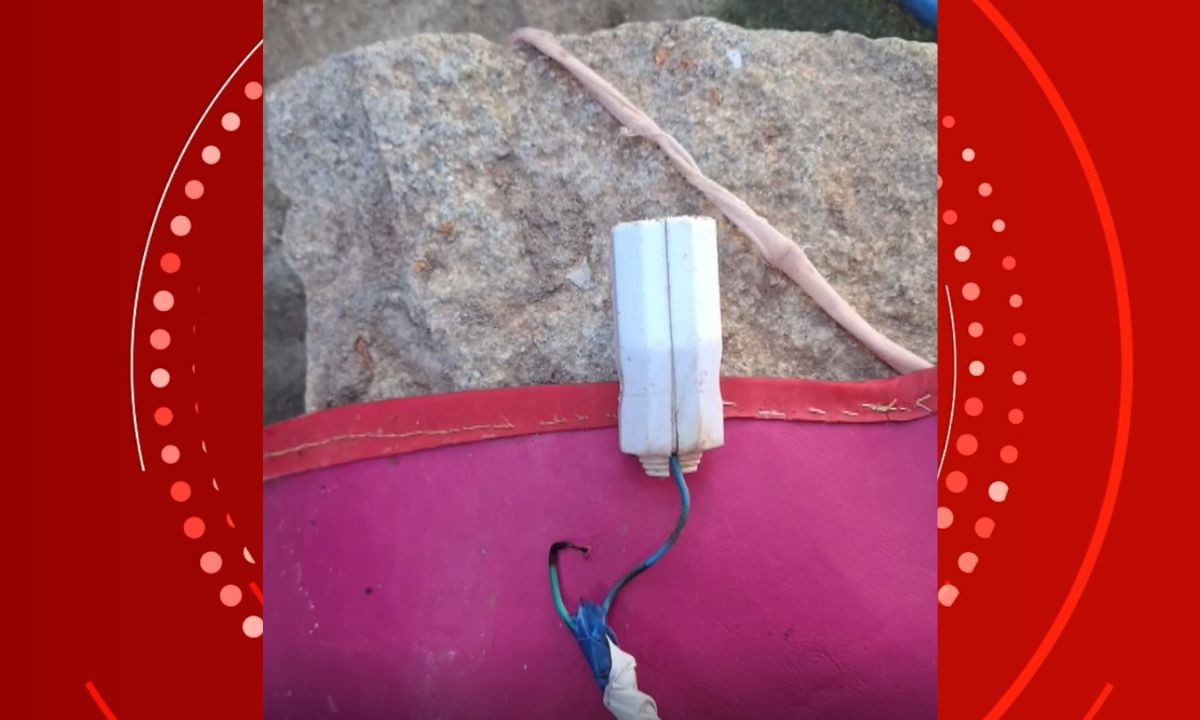
A 77-year-old woman, identified as Maria Idalina dos Santos Pereira, died tragically from electrocution while washing clothes in the rural area of Queimadas, Bahia, Brazil, on Monday, November 13th. Witnesses reported that she touched an electrical outlet with her body still wet, leading to the fatal shock. Municipal civil guards were called to the scene, but unfortunately, Ms. Pereira was already deceased upon their arrival. The incident was registered with the Civil Police, and her body was transported to the Technical Police Department in Senhor do Bonfim for an autopsy. Details regarding her burial have not been released.
This unfortunate event marks the second similar fatality in the region within a week. On Monday, November 6th, a 33-year-old woman, Camila da Silva Miranda, also died from electrocution in Senhor do Bonfim. Her accident occurred under similar circumstances, as she reportedly touched a wet electrical outlet while washing and hanging clothes. Despite being attended to by a local doctor and a Mobile Emergency Care Service (SAMU) team, Ms. Miranda, who had a 3-year-old daughter, did not survive. These incidents highlight a concerning pattern of electrical accidents in the region.
The recurrence of fatal electrocution incidents in Bahia, particularly involving women engaged in domestic chores like laundry, points to potential systemic issues in electrical safety awareness and infrastructure. While individual negligence may be a factor, the repeated nature of these events suggests a broader need for public education campaigns on the dangers of water and electricity, especially in residential settings. Furthermore, it raises questions about the maintenance and safety standards of electrical outlets and wiring in homes, particularly in rural areas. Future interventions could focus on improving accessible safety guidelines, promoting the use of residual-current devices (RCDs), and encouraging regular electrical inspections to prevent such preventable tragedies.
AI-generated to prompt reflection — not editorial opinion, not advice, not a statement of fact. How this works.