Elderly Woman Murdered in Paraná After Traveling to Buy Land; Prayer Note Aided Police
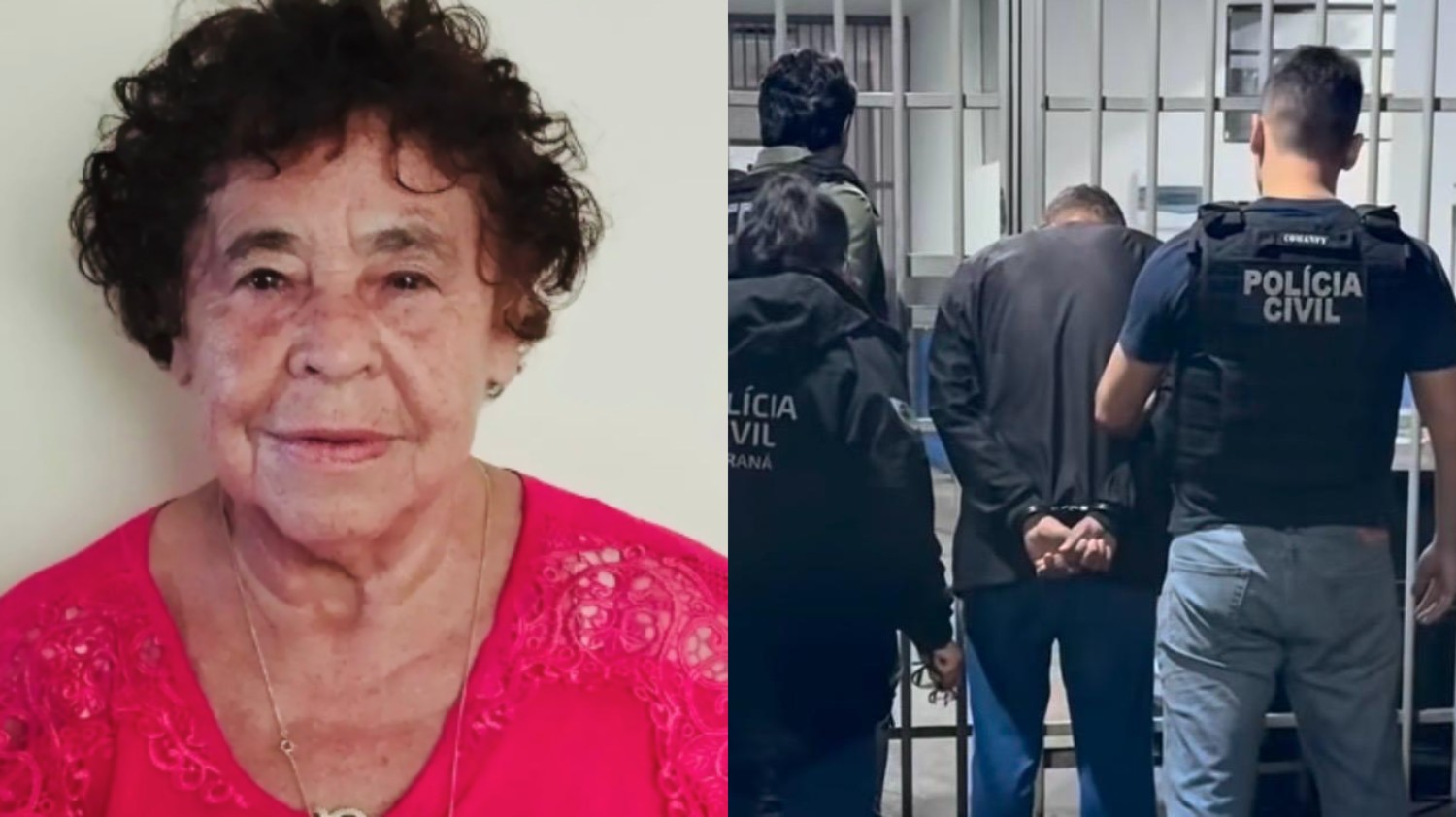
Police in Paraná, Brazil, have arrested Elisio Basilio da Silva, 60, in connection with the murder of Eulália Farias Pinheiro, 70. Ms. Pinheiro was last seen on June 15, traveling to Nova Londrina to purchase property. Her body was discovered a month later in Porto Tigre, Nova Londrina, and identified through dental records due to advanced decomposition. The investigation gained crucial leads from personal items found among Ms. Pinheiro's belongings, including a note with Mr. da Silva's name and phone number, and a prayer she had written. The prayer reportedly asked for blessings on their relationship and for Mr. da Silva to find employment. These clues, combined with police inquiries, led to the identification and subsequent arrest of Mr. da Silva in Maringá on Wednesday, June 22. He has confessed to the crime, which is being investigated as latrocínio (robbery followed by death). Authorities also seized cell phones and the vehicle used in the crime during a search of his residence. Ms. Pinheiro and Mr. da Silva reportedly met about a year prior at an ophthalmology clinic, and maintained contact via messages. He had previously driven her and others on trips and painted her house. The police delegate stated that Mr. da Silva approached Ms. Pinheiro deceptively, gaining her trust and access to her assets before her death. He allegedly met her at the bus station in Nova Londrina, waiting for other passengers to leave to avoid recognition.
This case highlights the critical role of personal artifacts and digital footprints in criminal investigations, even in instances where victims may have been lured by deception. The narrative underscores the vulnerability of individuals, particularly the elderly, who engage in transactions or personal meetings based on trust. From a systemic perspective, the incident prompts consideration of safeguards for individuals undertaking significant financial transactions, especially when meeting new acquaintances. The investigation's reliance on both a physical note and a prayer suggests a complex interplay of personal relationships and potential exploitation. Future considerations might involve public awareness campaigns regarding due diligence in personal and financial dealings, and the potential for technology to assist in verifying identities or documenting initial encounters in such scenarios, while respecting privacy.
AI-generated to prompt reflection — not editorial opinion, not advice, not a statement of fact. How this works.