Elderly Woman Rescued After 52 Years in Slave-Like Conditions in Brazil
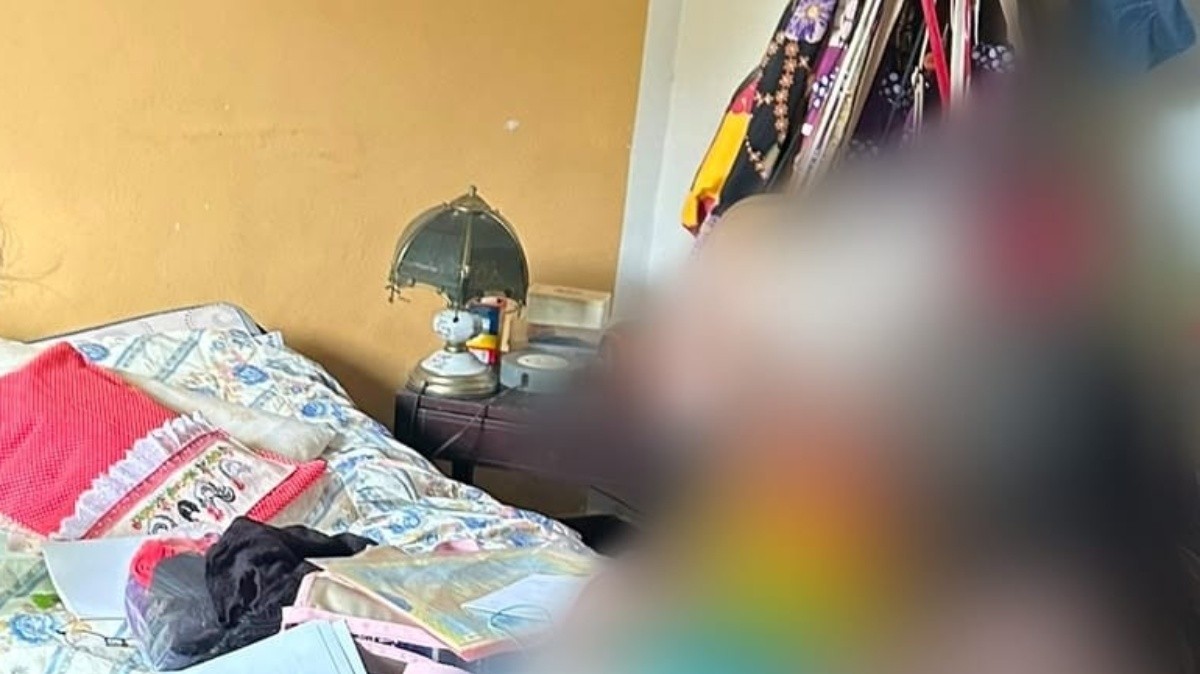
An elderly woman, aged 69, has been rescued from a situation analogous to slavery in Nova Iguaçu, located in the Baixada Fluminense region of Rio de Janeiro, Brazil. For 52 years, she worked in the same residence without a formal employment contract, regular salary, or days off. At the time of her rescue on July 15, she was caring for her elderly, bedridden employer. The employers claimed the woman was considered 'part of the family.' The victim reported to authorities that she had not visited her own family in five years. Labor inspectors identified elements of forced labor, degrading conditions, and exhaustive work hours. Raul Vital, a labor tax auditor and coordinator of the operation for the Ministry of Labor and Employment, stated that for over five decades, there was no formal record or regular salary payment, and she was currently providing constant care for her bedridden employer. The rescued woman reportedly only completed primary education. The operation involved auditors from the Ministry of Labor and Employment and prosecutors from the Public Ministry of Labor. Prosecutor Tathiane Menezes do Nascimento highlighted the significance of public reporting and integrated action by public agencies in combating contemporary slave labor, particularly within domestic work where exploitation often remains hidden. Following her relocation by her family, an agreement was reached for severance pay, compensation, and other benefits, totaling over R$ 600,000.
This case highlights the persistent issue of hidden labor exploitation within domestic settings, often masked by familial or informal arrangements. The extended duration of the exploitation, spanning 52 years, suggests systemic failures in labor law enforcement and oversight, particularly concerning vulnerable individuals. The significant financial settlement reached indicates a recognition of the severe economic and personal damages incurred. Moving forward, enhanced proactive auditing, accessible reporting mechanisms for domestic workers, and public awareness campaigns are crucial to prevent similar abuses and ensure fair labor practices in this often-invisible sector. The long-term implications for the victim's well-being and integration into society warrant continued attention beyond the financial resolution.
AI-generated to prompt reflection — not editorial opinion, not advice, not a statement of fact. How this works.