Elderly Woman Rescued in Critical Condition; Partner Arrested
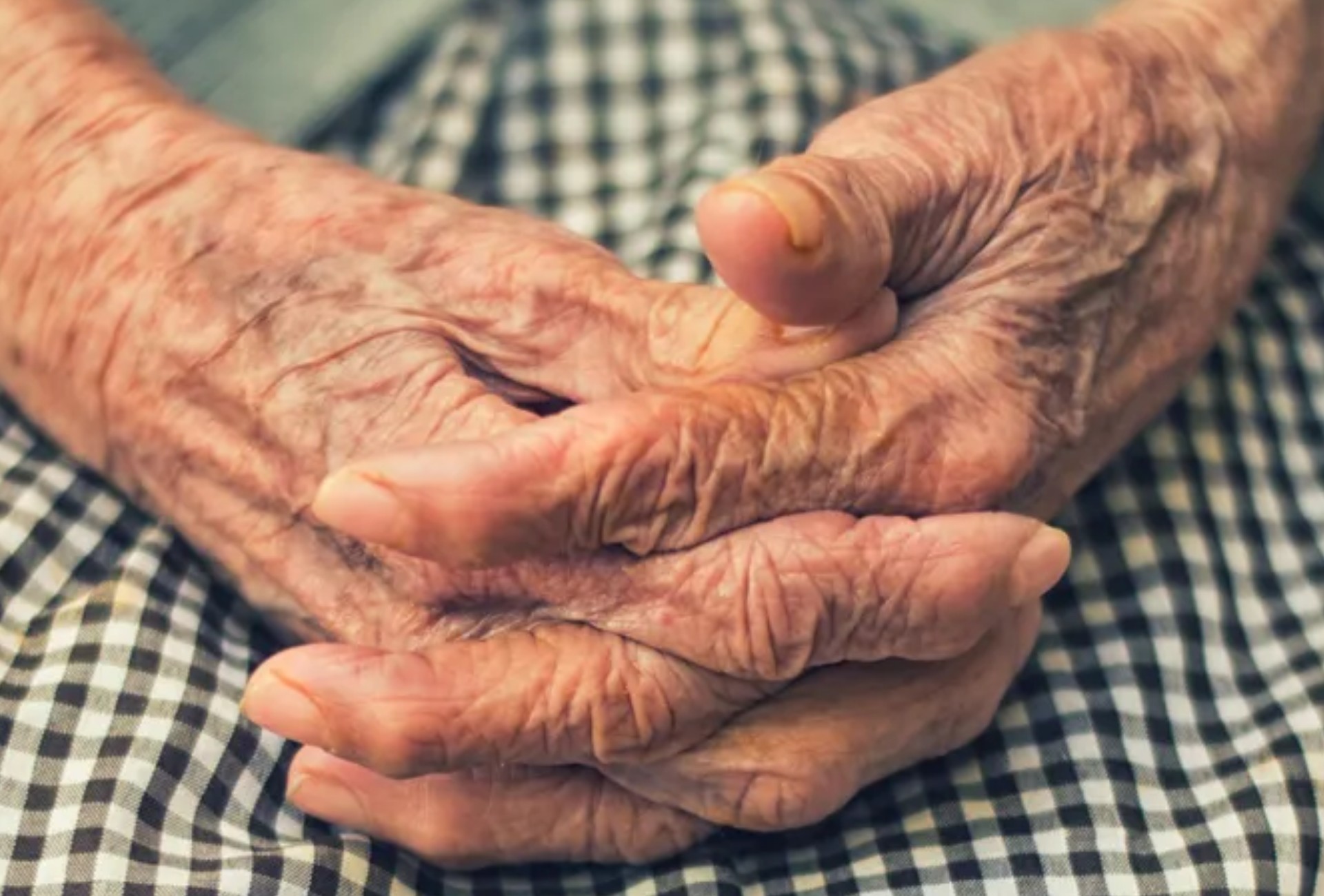
In Campo Grande, Brazil, a 73-year-old woman was rescued from her home on Thursday, May 30th, in a state of extreme debilitation and severe malnutrition. Police were alerted by a distress call received via an institutional phone, containing an audio message pleading for help and indicating a situation of risk. Upon arriving at the residence, officers found the gate locked and heard a faint voice from within. Concerned for the occupant's safety, police entered the property with the assistance of the Fire Department. Inside, they discovered the elderly woman kneeling near the entrance, exhibiting signs of severe malnutrition, extreme weakness, and poor hygiene. She reported being left alone without any assistance and indicated her partner was at a gym. The victim was promptly transported to a hospital for urgent medical care. Following the rescue, authorities located the 59-year-old partner at a gym in the Jardim Panorama neighborhood around 4:10 PM. He was arrested in flagrante delicto for abandonment of a dependent, a crime under the Penal Code with aggravating factors and also falling under the Maria da Penha Law. The man has been detained and is awaiting judicial proceedings, having left the woman without the means to care for her own food, hygiene, or safety.
This incident highlights critical failures in elder care and domestic safety oversight. The partner's arrest for abandonment of a dependent, compounded by the application of the Maria da Penha Law, underscores the severity of the neglect. The case raises questions about community awareness and reporting mechanisms for vulnerable individuals, as a distress call was necessary to trigger intervention. Future considerations should include proactive welfare checks for at-risk elderly populations and enhanced support networks for caregivers, particularly in situations involving potential abuse or neglect. The legal framework's response, while necessary, points to a reactive rather than preventative approach to safeguarding vulnerable adults.
AI-generated to prompt reflection — not editorial opinion, not advice, not a statement of fact. How this works.