Elderly woman with Alzheimer's clings to memories of deceased brother
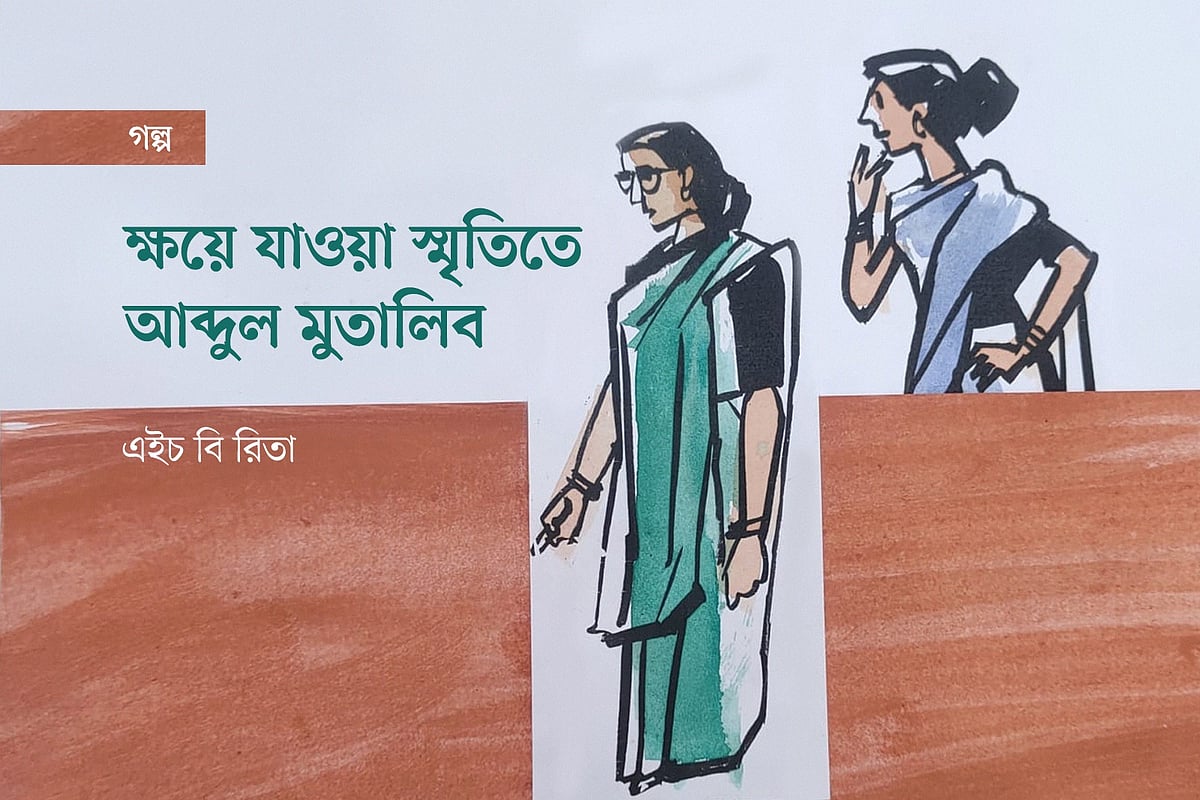
Rahela Begum, an 83-year-old woman in Rochester, Minnesota, is battling pneumonia and the advanced stages of Alzheimer's disease. Her daughter, Ranu, is caring for her at the Mayo Clinic, where Rahela was admitted last week after getting soaked in heavy rain. Despite medical care, Rahela frequently tries to remove her IV line and often experiences memory lapses, sometimes fabricating stories, such as claiming her granddaughter encouraged her to play in the rain. Doctors attribute these episodes to Alzheimer's, advising Ranu to keep a close watch on her mother. Rahela's condition has led to peculiar incidents, including falsely accusing a home aide of theft and wandering outside in the rain, which precipitated her current illness. She also exhibits confusion about her surroundings, sometimes forgetting where her bedroom is. A significant aspect of Rahela's condition is her persistent memory of her younger brother, Abdul Mutalib, who passed away about a year ago. She frequently asks Ranu to contact him and send money, unaware of his death. Rahela had always looked after Mutalib, even saving money from Ranu's remittances for him. Despite her deteriorating memory, she vividly recalls their difficult childhood, raised by their uncle after their father's absence, and emphasizes her brother's dependence on her. In a poignant moment, Rahela tearfully pleads with Ranu to look after Mutalib if she dies, completely overlooking her living son. This fixation on her deceased brother, while forgetting her own son, highlights the complex and often heartbreaking nature of her memory loss.
The narrative powerfully illustrates the profound impact of Alzheimer's disease on an individual's perception of reality and interpersonal relationships. Rahela Begum's persistent focus on her deceased brother, Abdul Mutalib, while seemingly forgetting her living son, underscores how neurodegenerative conditions can distort memory and emotional priorities. This phenomenon raises questions about the nature of memory itself – whether it is purely a biological function or deeply intertwined with emotional significance and unresolved past experiences. The story prompts reflection on how societal structures and family dynamics influence caregiving burdens and the emotional toll on those left to navigate the complexities of dementia. In the context of an aging global population, understanding and addressing the systemic challenges of Alzheimer's care, including the emotional and psychological support for both patients and their families, will become increasingly critical.
AI-generated to prompt reflection — not editorial opinion, not advice, not a statement of fact. How this works.
