Elderly Worker Rescued After Nearly Eight Years in Isolation in Brazilian Amazon
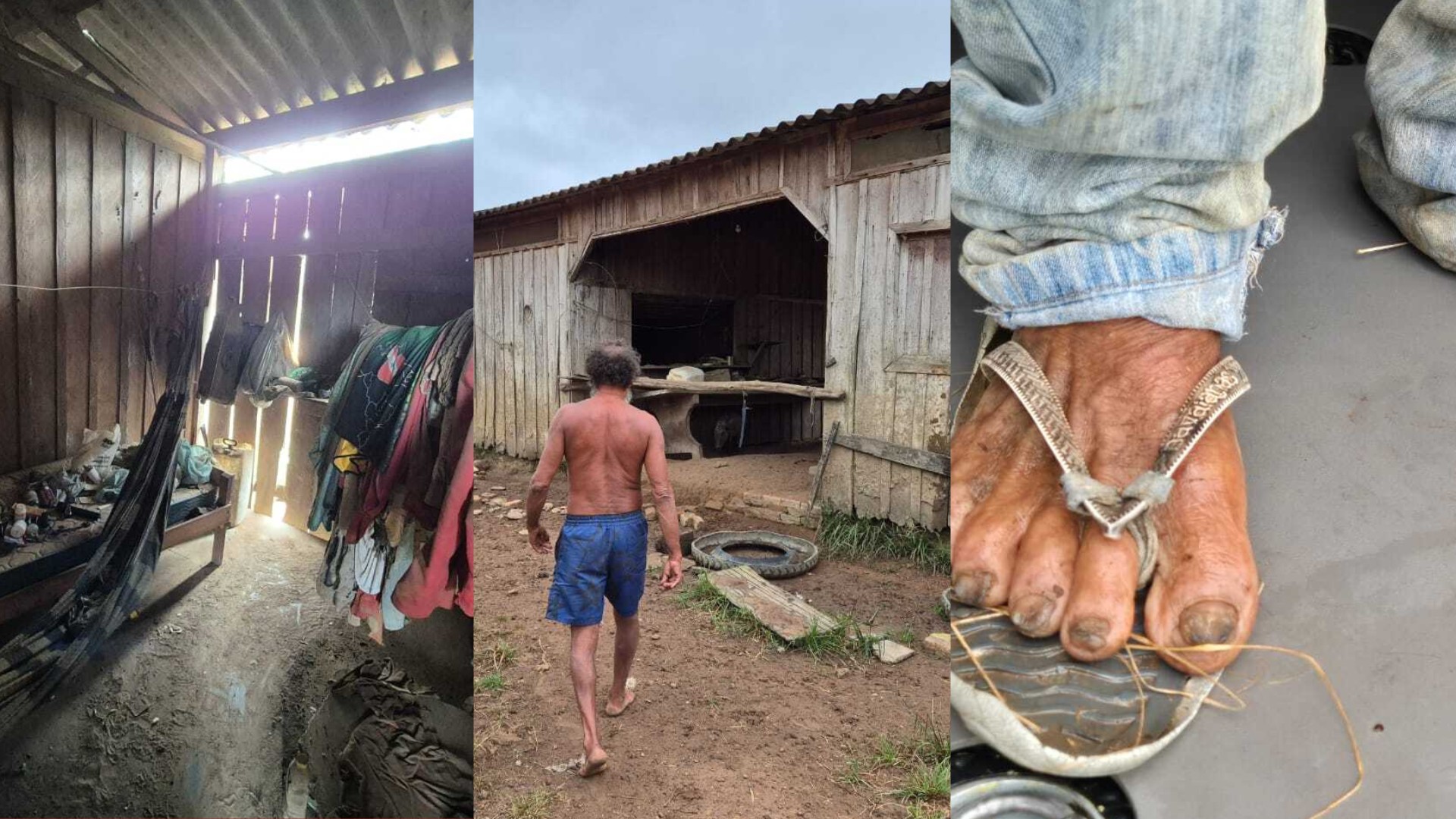
A 65-year-old man has been rescued from conditions analogous to slavery after living in extreme isolation for nearly eight years on a rural property within the Terra do Meio Ecological Station in Altamira, Pará, Brazil. The rescue operation, confirmed by the Labor Audit-Fiscal (AFT), revealed the man was working alone since November 2018, responsible for property maintenance, including a landing strip, animal management, and subsistence farming. He endured a degrading living environment with no potable water, surviving on water from the Pardo River stored in reused lubricant containers, and a precarious diet consisting mainly of rice, beans, and oil, with sporadic deliveries of other foods. There were periods, including a three-month stretch in 2025, where he received no supplies and subsisted on pumpkins he grew and piranhas he fished. His dwelling was a dilapidated wooden shack with gaps in the walls, a leaky roof, and a dirt floor, shared with accumulated trash and frequented by animals, including snakes. He had been bitten twice and also suffered stings from stingrays while bathing in the river. The bathroom had been unusable for about four years, forcing him to relieve himself in the woods. The man, who is illiterate, has severe hearing loss and vision problems, and lived without regular access to communication, medical care, or basic dignity. Access to the remote property was only possible by air or river, requiring a two-hour helicopter flight for the rescue team, which included the Public Prosecutor's Office, the Public Defender's Office, and the Federal Police. Following his rescue, authorities facilitated the issuance of identification documents, initiated procedures for social security benefits, and provided him with essential supplies and a mobile phone to reconnect with family. A Conduct Adjustment Agreement was signed, mandating the payment of severance and moral damages, along with unemployment insurance and other measures to secure his labor and social rights.
This case highlights systemic failures in oversight and enforcement within remote ecological zones, where individuals can be subjected to extreme exploitation and isolation. The prolonged period of servitude, coupled with the worker's age and vulnerabilities, suggests a significant lapse in monitoring by both government agencies and potentially private employers. The rescue operation, while successful, underscores the challenges of detecting and intervening in such situations, especially given the logistical difficulties of accessing remote areas. Moving forward, enhanced technological surveillance, more frequent unannounced inspections, and robust community reporting mechanisms could serve as crucial deterrents against modern slavery. Furthermore, addressing the root causes of labor vulnerability, such as illiteracy and lack of access to social services, is essential to prevent individuals from falling into such exploitative circumstances in the future.
AI-generated to prompt reflection — not editorial opinion, not advice, not a statement of fact. How this works.