Elderly worker rescued by helicopter from slave-like conditions in remote Amazonian farm
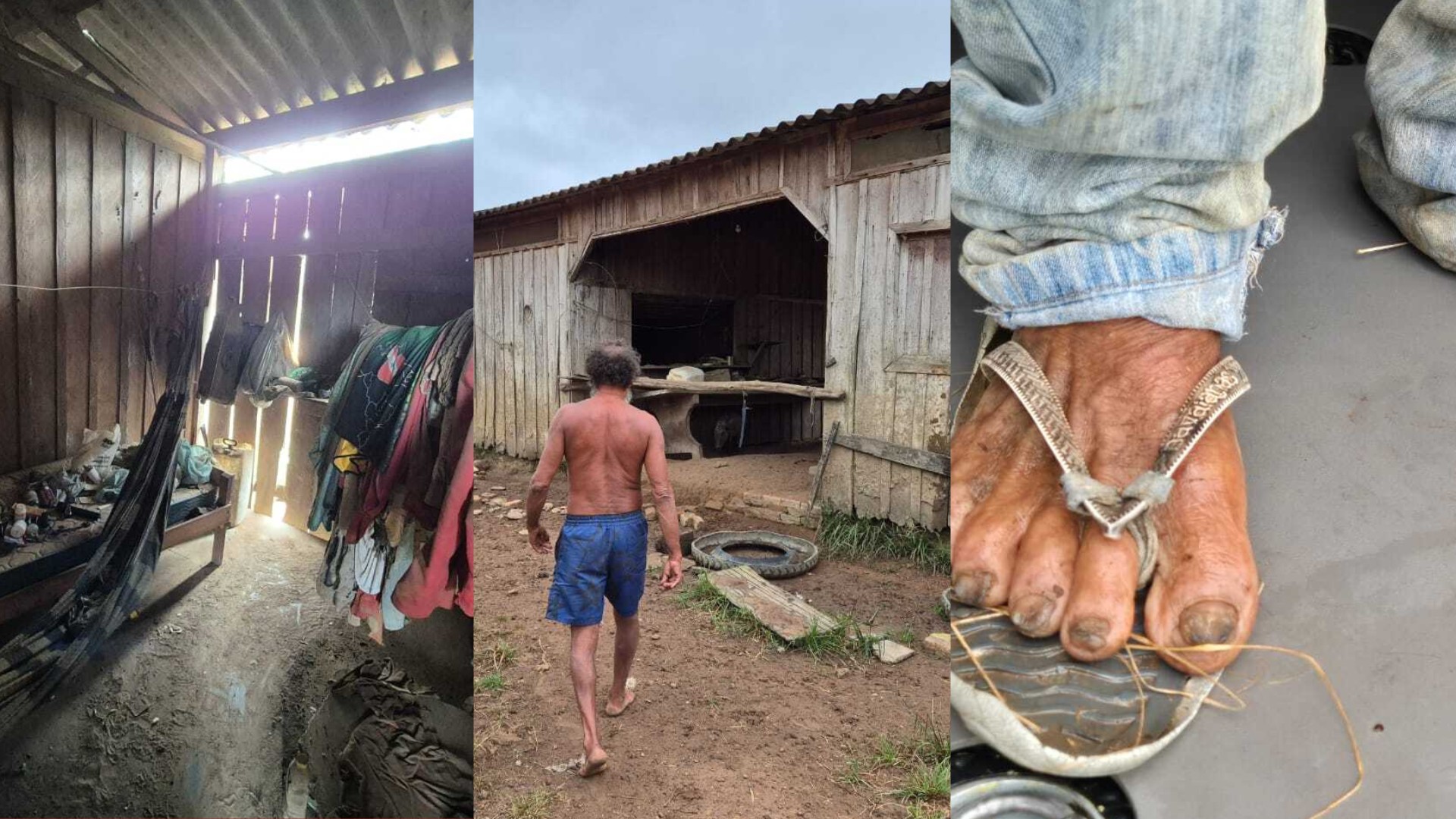
An elderly 65-year-old man has been rescued from conditions analogous to slavery on a remote farm in the Brazilian Amazon, in the state of Pará. The isolated property, located within the Terra do Meio Ecological Station in Altamira, was only accessible by boat or air. A Federal Police helicopter was required for labor auditors to reach the farm and extract the worker. The man had been living on the property since 2018, enduring a lack of potable water, precarious food, and degrading housing, all while in complete isolation. He consumed water directly from a river, filtered through reused motor oil containers, and his dwelling was dilapidated, with a dirt floor and a bed covered in debris. He faced constant threats from venomous snakes, having been bitten twice by jararacas, and also had to contend with bats attacking livestock at night. Lacking a bathroom, he performed his bodily functions in the wilderness and bathed in the river, where he was stung by stingrays. Despite these hardships, he was responsible for farm maintenance, security, airstrip upkeep, animal management, and subsistence farming. His vulnerability was compounded by illiteracy, severe hearing loss, and vision problems; when he suffered severe kidney pain, he walked for approximately a day and a half through dense forest to seek help. The rescue operation, which occurred on July 14 and was publicized on July 21, involved the Ministry of Public Labor (MPT), the Public Defender's Office of the Union (DPU), and the Federal Police. The worker has since been integrated into Altamira's social assistance network, receiving medical and psychological care, and is expected to reunite with family. A conduct adjustment agreement was signed, requiring R$120,000 in severance pay and moral damages compensation.
This incident highlights systemic failures in labor oversight and enforcement in remote regions, particularly within protected ecological areas. The extreme isolation and lack of basic amenities, coupled with the worker's multiple vulnerabilities—illiteracy, sensory impairments, and lack of access to healthcare—created a fertile ground for exploitation. The long duration of these conditions suggests potential gaps in monitoring by both labor authorities and environmental agencies like ICMBio. Moving forward, enhanced inter-agency collaboration, the use of technology for remote monitoring, and proactive community outreach are crucial to prevent such egregious human rights violations. Addressing the root causes, including economic disparities and lack of alternative employment in remote areas, will be essential for long-term solutions.
AI-generated to prompt reflection — not editorial opinion, not advice, not a statement of fact. How this works.