Elderly Worker Rescued from Slave-Like Conditions in Remote Brazilian Amazon
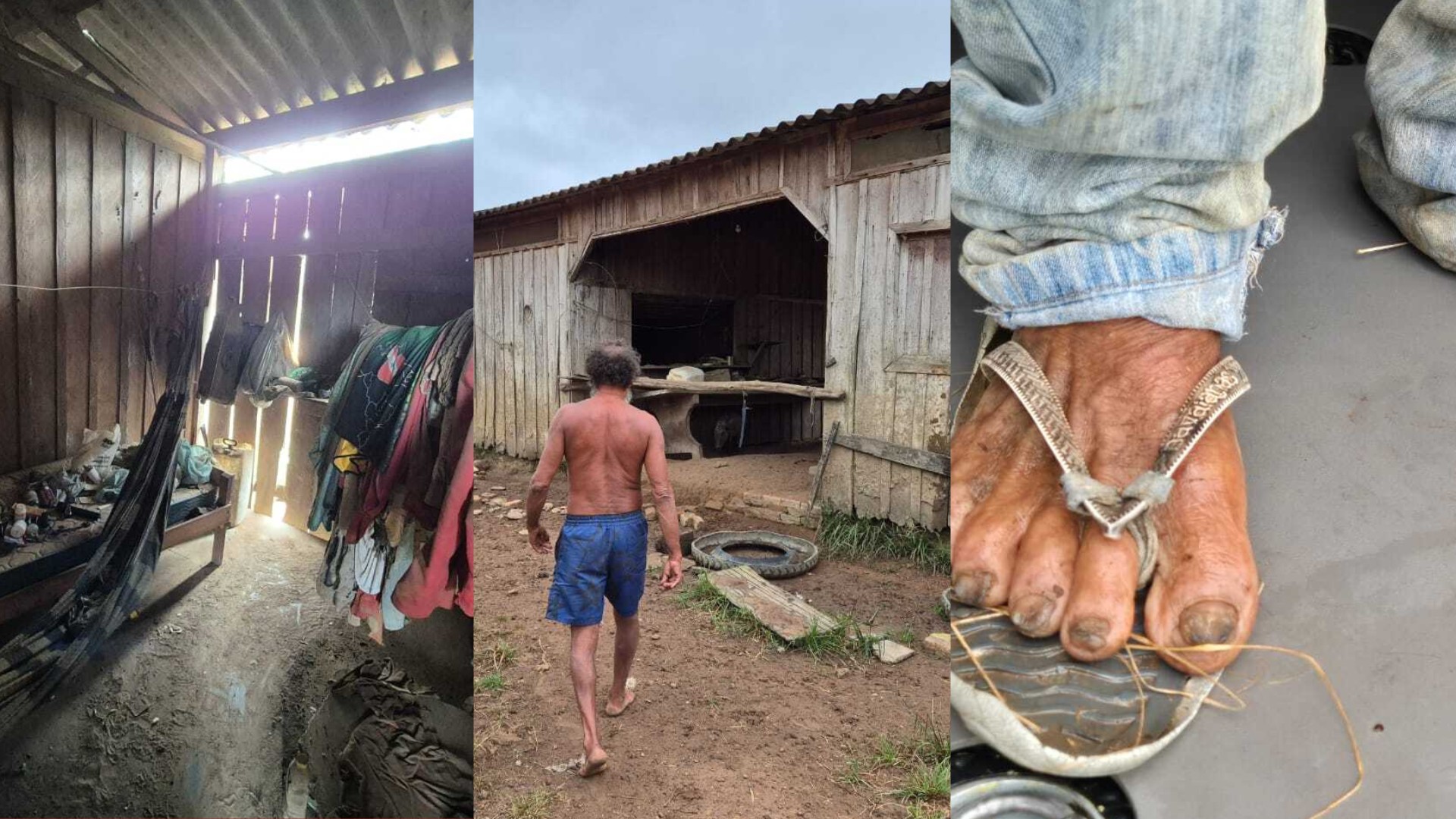
A 65-year-old man has been rescued from slave-like conditions on a remote rural property in Altamira, Pará, Brazil, where he lived in isolation and shared his living space with farm animals. The worker, who had been on the property for eight years, slept in a dilapidated wooden shack alongside pigs and cattle, with animals moving freely within his dwelling. He reported having to stay awake at night due to bats and sharing scarce food, including piranhas he fished, with the pigs. The man was also exposed to venomous wildlife, having been bitten twice by caimans and stung twice by stingrays in the river he used for bathing, and faced risks from jaguars common in the region. His living conditions were dire, lacking basic amenities like running water and a bathroom, with a bed covered in debris and accumulated trash. Access to the property, located within the Terra do Meio Ecological Station, required a two-hour helicopter flight from Altamira due to its extreme remoteness, accessible only by boat or air. The rescue operation was a coordinated effort involving the Ministry of Labor's Inspection Audit, the Public Prosecutor's Office of Pará and Amapá, the Federal Police, and the Public Defender's Office. The worker, who is illiterate, has severe hearing and vision impairments, and once walked 27 kilometers through dense forest for medical attention. He was responsible for property maintenance, farm surveillance, airstrip upkeep, animal management, and subsistence farming. Despite the employer providing some wages and food through intermediaries, the provisions were nutritionally inadequate, leading to food and water insecurity. The worker has since been integrated into Altamira's social assistance network, receiving medical and psychological care, and is now in a shelter before returning to his family. A settlement of R$120,000 was agreed upon for severance pay and moral damages.
This incident highlights extreme vulnerabilities within labor supply chains in remote regions, exacerbated by isolation and lack of oversight. The worker's prolonged exposure to degrading conditions and dangerous wildlife, coupled with inadequate nutrition and sanitation, points to systemic failures in labor law enforcement and corporate accountability. The employer's continued provision of insufficient resources, despite paying wages, suggests a deliberate strategy to minimize costs by exploiting a vulnerable individual. Moving forward, enhanced regulatory frameworks and independent auditing mechanisms are crucial to prevent such egregious human rights violations. The case also underscores the intersection of environmental conservation efforts and labor rights, as the worker remained on the property after other livestock were removed, potentially fearing loss of his livelihood. Future policy must consider the social impact on long-term residents in protected areas.
AI-generated to prompt reflection — not editorial opinion, not advice, not a statement of fact. How this works.