Eldorado do Sul Declares Emergency After Storm Leaves Over 700 Displaced
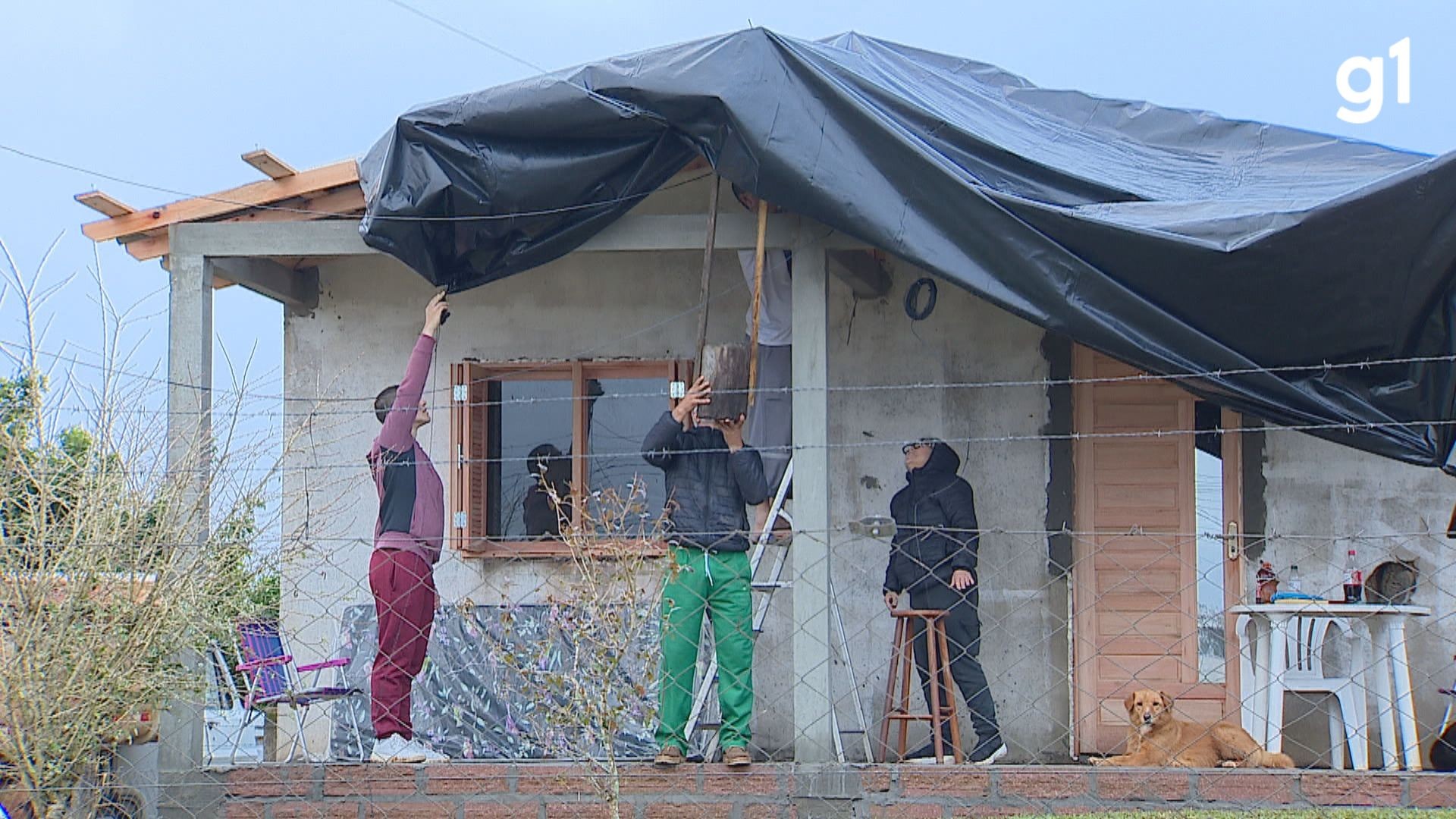
A severe storm featuring strong winds and hail struck Eldorado do Sul, located in the Metropolitan Region of Porto Alegre, on Saturday morning, May 11th. The municipal government has declared a state of emergency following significant damage, including roofs being torn off, trees falling, and widespread power and water outages. As of Monday morning, May 13th, the number of displaced residents has risen to 720, with approximately 40 individuals currently housed in a municipal school shelter. Around 500 locations remain without electricity. The storm, which began around 6 AM in the Parque Eldorado neighborhood, was unexpected, as weather forecasts had predicted only light to moderate rain. The municipal Civil Defense coordinator, Mário Rocha, noted that the wind, rather than the hail, was the primary cause of structural damage, ripping off entire roofs. This event adds to the challenges faced by Eldorado do Sul, which was heavily impacted by the 2024 floods. Mayor Juliana Carvalho highlighted communication issues hindering a full damage assessment, stating the city is still recovering from the previous tragedy. The number of affected homes increased as teams reached residents who lacked communication means to report their needs. The loss of electricity also impacted water supply, as artesian wells rely on electric pumps, necessitating the use of water trucks. Schools in Parque Eldorado suspended classes due to blocked roads, fallen poles, and power loss. Residents like retiree Cláudia Aires and business owner Maria Eduarda Melo described severe damage to their homes and businesses, respectively, with significant financial losses. Displaced individuals are largely staying with relatives and neighbors, with volunteers working to distribute essential supplies and map urgent needs.
This event underscores the increasing vulnerability of communities to extreme weather events, exacerbated by the compounding effects of prior disasters like the 2024 floods. The rapid formation of the storm, despite milder forecasts, points to the challenges in predictive modeling for localized, intense weather phenomena. The declaration of emergency and the reliance on external aid highlight systemic issues in municipal disaster preparedness and infrastructure resilience, particularly concerning power and water systems dependent on electricity. The long-term implications involve not only rebuilding damaged infrastructure but also reassessing urban planning and building codes to withstand more frequent and severe weather patterns, a critical consideration in the evolving climate landscape of the next decade.
AI-generated to prompt reflection — not editorial opinion, not advice, not a statement of fact. How this works.