Eldorado do Sul Flooded: 600 Displaced After Storm Causes Widespread Damage
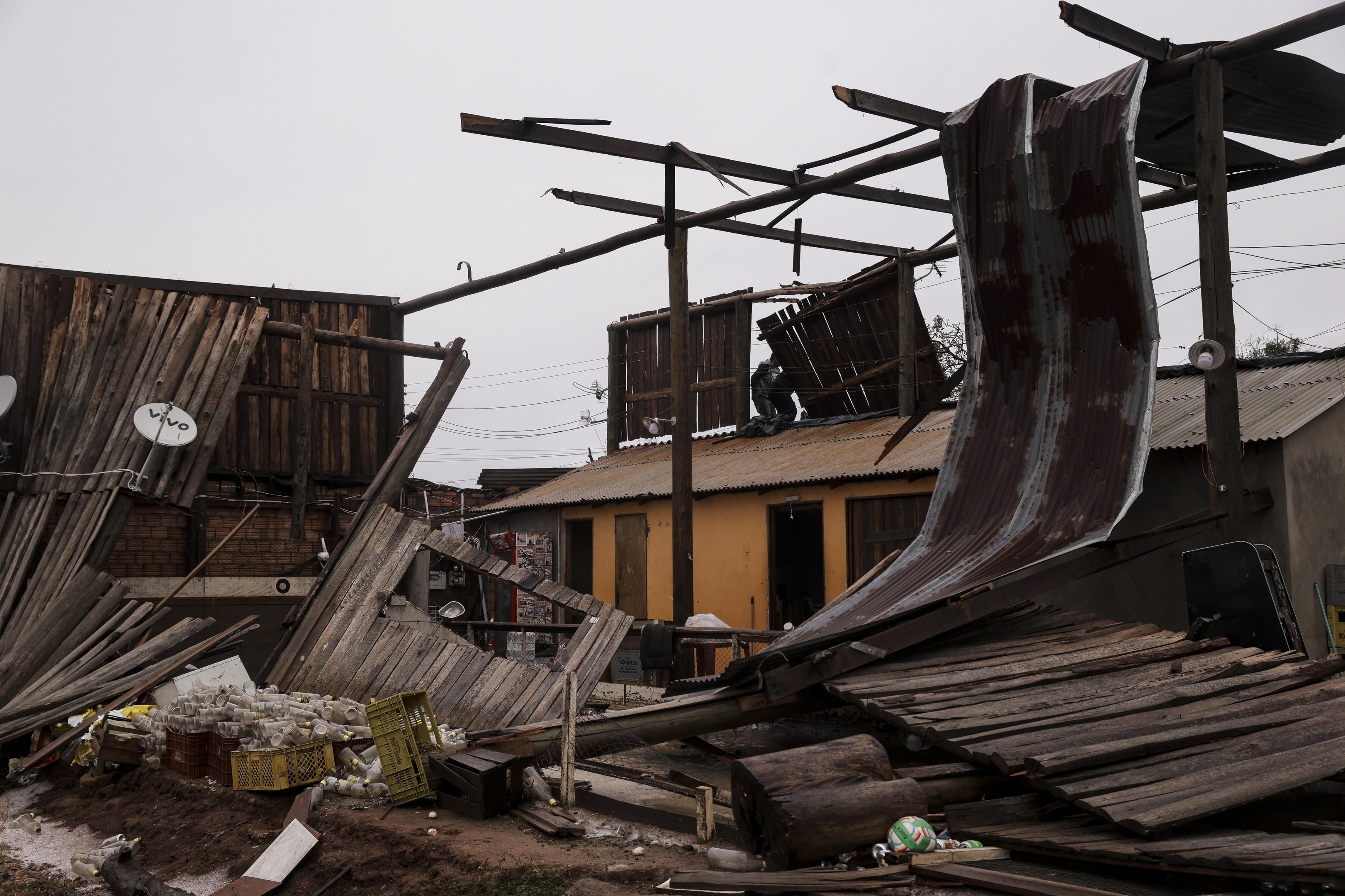
A severe storm, featuring hail and 45 km/h winds, struck Eldorado do Sul, located in the Metropolitan Region of Porto Alegre, on Saturday, May 11th. The event has resulted in approximately 600 displaced residents as of Sunday, May 12th, with at least 130 homes suffering roof damage and 30 trees falling. The municipality's mayor declared a state of emergency on Saturday. The municipal coordinator of Civil Defense, Mario Rocha, reported that around 160 families were impacted, particularly in the Parque Eldorado neighborhood. Although a shelter was prepared, it was not needed. Power has been restored to about 50% of the affected area, impacting water supply for homes relying on artesian wells. To address this, three water trucks from Eldorado do Sul and Porto Alegre are distributing potable water. A support base at the neighborhood's sub-prefecture is accepting donations, and state-provided roofing materials are being distributed to nearly all affected families. The storm, which began around 6 AM, also caused road blockages. In Canoas, another city in the Metropolitan Region, at least six houses sustained damage, though no injuries were reported. Separately, a fallen tree on the BR-290 highway in Eldorado do Sul required drivers to use the shoulder. Rainfall in Eldorado do Sul measured 23 millimeters over 24 hours.
The severe weather event in Eldorado do Sul highlights the vulnerability of communities to extreme climate phenomena, exacerbated by infrastructure limitations such as power and water dependency. The rapid response involving multiple civil defense agencies and state aid demonstrates effective intergovernmental coordination in disaster relief. However, the recurring nature of such events in Brazil suggests a need for long-term resilience strategies, including improved building codes and urban planning to mitigate the impact of high winds and hail. Future investments should focus on hardening infrastructure against climate shocks and diversifying essential services to reduce reliance on single points of failure, thereby enhancing community preparedness and recovery capabilities in the face of escalating climate variability.
AI-generated to prompt reflection — not editorial opinion, not advice, not a statement of fact. How this works.