Electoral Code Reforms Stall Amidst Political Squabbles
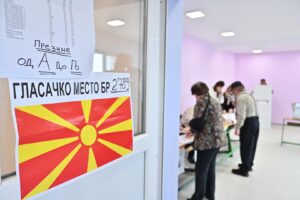
An attempt by the Left party (Levica) to convene opposition parties for a unified stance on amendments to the Electoral Code has failed. The Social Democrats (SDSM) rejected the proposal, labeling it as a "theater" and a "game by the authorities." The Left reacted sharply to this, stating that SDSM has once again confirmed that political irrelevance is not solely a matter of electoral results. The proposed reforms to the Electoral Code are now stalled, caught between the need for legislative changes and the ongoing political calculations among parties. This deadlock highlights the challenges in achieving consensus on electoral reform, particularly when partisan interests appear to supersede broader legislative objectives. The outcome suggests a continued struggle to modernize electoral processes in the country, with significant implications for future democratic practices and public trust.
The failure to convene opposition parties for electoral code reform suggests that partisan calculations are currently outweighing the potential benefits of legislative modernization. This dynamic, where immediate political advantage or perceived manipulation takes precedence over systemic improvements, can lead to inertia in democratic institutions. Looking ahead, the inability to agree on electoral frameworks may hinder the equitable representation of voter will and could foster public cynicism. Addressing such impasses requires mechanisms that incentivize cross-party cooperation on foundational governance issues, potentially by decoupling essential reforms from short-term electoral strategies and emphasizing long-term democratic health.
AI-generated to prompt reflection — not editorial opinion, not advice, not a statement of fact. How this works.