Electoral Court Orders Removal of AI-Generated Video Targeting Political Figures
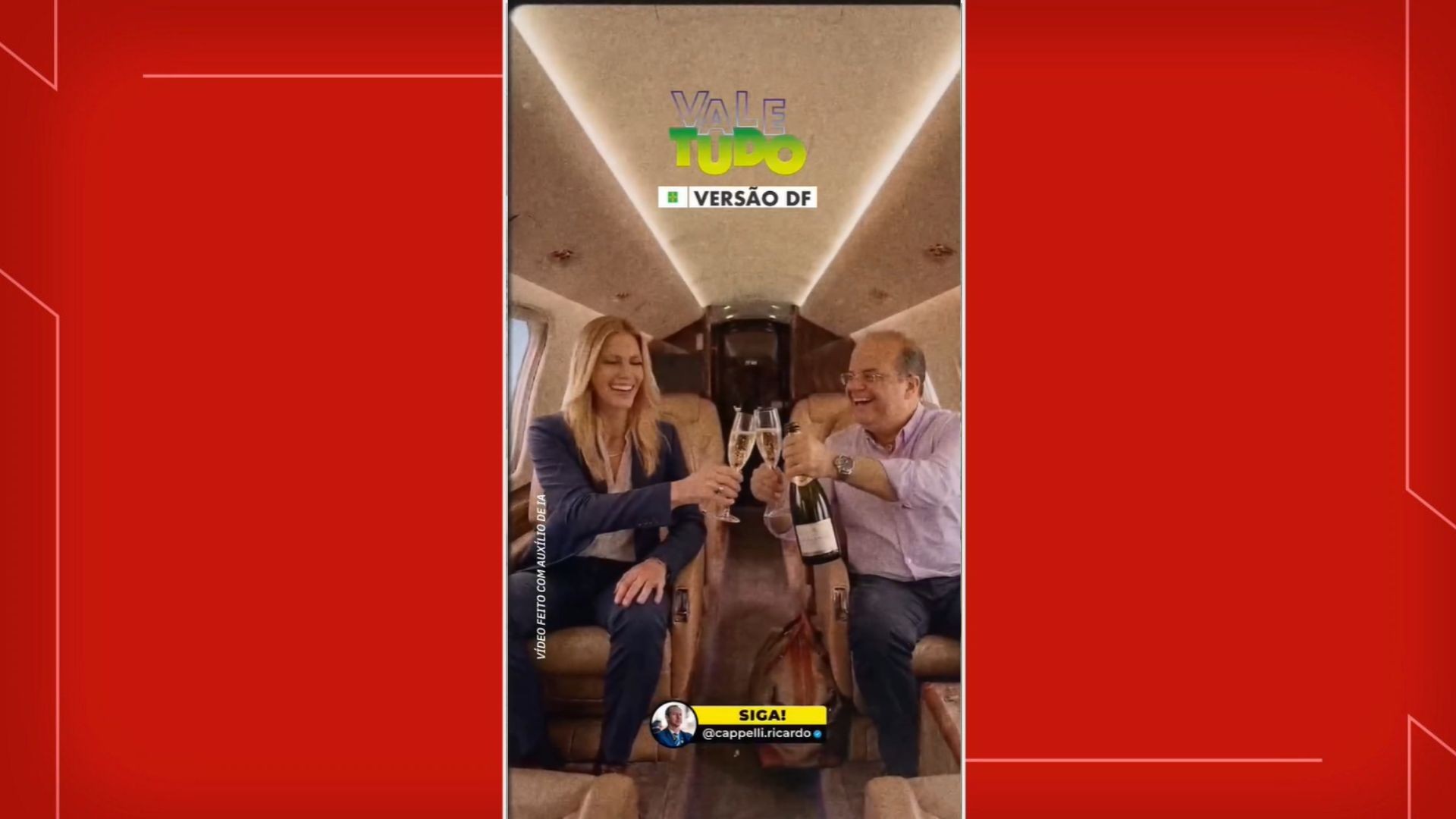
The Regional Electoral Court of the Federal District (TRE-DF) has ordered pre-candidate Ricardo Cappelli to remove an artificial intelligence-generated video from social media. The video depicted a blonde woman resembling the current governor, Celina Leão, and a man similar to former governor Ibaneis Rocha, appearing to flee on an airplane. The court ruled that the content exceeded legitimate political criticism and harmed the candidate's honor, specifically linking the governor to a "millionaire fraud" and an escape from federal authorities. Cappelli, a pre-candidate for governor representing the PSB party, stated he would comply with the order but intends to appeal. He expressed curiosity about the recognition of the figures in the video, asserting he did not explicitly name them and suggested the governor should address the individuals involved in the alleged fraud. The decision stems from a request by the União Progressista Federation, which argued that Cappelli's videos portrayed Governor Leão in a demeaning manner, depicting her as frivolous, infantilized, intellectually limited, subordinate to men, and complicit in alleged wrongdoing. The federation further characterized the publications as political violence against women through identity erasure, infantilization, and symbolic subordination. However, the judge opted to remove only the specific video in question, deeming other similar publications as protected "satirical" expressions under freedom of speech. Ibaneis Rocha had previously announced his withdrawal from the Senate race and signaled a political break with Celina Leão's group, a move that was publicly contested by the governor.
AI-generated content, particularly when used in political contexts, presents complex challenges for electoral integrity and freedom of expression. This incident highlights the tension between using advanced technology for satire or commentary and the potential for it to be weaponized for defamation or disinformation. The court's decision to remove the video, while upholding other satirical content, suggests a fine line in distinguishing between protected political speech and harmful misrepresentation. Future electoral regulations may need to address the provenance and potential impact of AI-generated media to ensure a level playing field and protect individual reputations, while still safeguarding robust public discourse.
AI-generated to prompt reflection — not editorial opinion, not advice, not a statement of fact. How this works.