Electoral Court Summons Poll Workers for October 2026 Elections
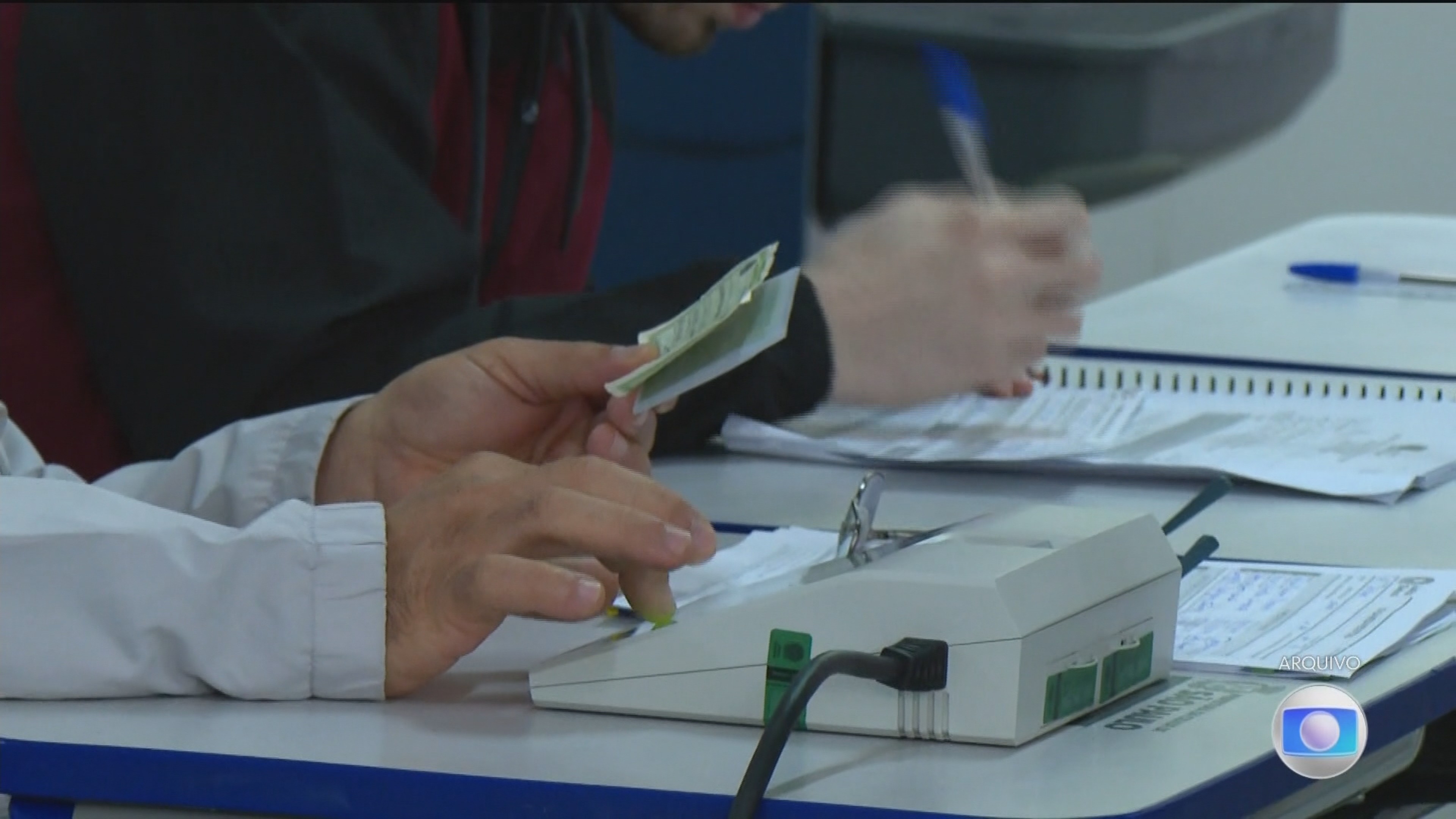
Brazil's Electoral Court is actively summoning poll workers, known as 'mesários', for the upcoming presidential elections scheduled for October 2026. These individuals play a crucial role in ensuring the transparency and integrity of the electoral process. Ana Paula Rodrigues Lima, a professor and veteran poll worker participating in her sixth presidential election, expressed her enthusiasm for the role, viewing it as a meaningful way to exercise citizenship and contribute to the nation's democratic process. In the Federal District, a remarkable seven out of ten poll workers typically volunteer for subsequent elections, highlighting their dedication. Historically, over 1.7 million people served as poll workers in the last presidential election. To qualify, individuals must meet specific criteria: they cannot be members of political party directories, nor can they be relatives (up to second degree by consanguinity or affinity) of any candidate. Furthermore, they are ineligible if they hold a confiança position in the Executive branch or are employees of the Electoral Justice system. Adriana Nava, coordinator of Electoral Registry Administration at the TRE-DF, emphasized that beyond voter identification and section management, poll workers contribute to the on-site oversight of the election. The final list of selected poll workers for the October election will be released by August 5th.
The Electoral Court's proactive summoning of poll workers underscores the logistical complexities and reliance on citizen participation for democratic elections. The high rate of repeat volunteers, such as Ana Paula Rodrigues Lima, suggests a strong sense of civic duty, yet also raises questions about the sustainability of this model and potential burnout. The stringent eligibility requirements aim to maintain impartiality, but the sheer scale of recruitment points to the ongoing need for robust civic education and engagement strategies. As technology advances, the role of the human poll worker may evolve, but their function as direct witnesses to electoral integrity remains critical in building public trust. Future electoral systems might explore hybrid models integrating technology with human oversight to enhance efficiency and accessibility while preserving the democratic ethos.
AI-generated to prompt reflection — not editorial opinion, not advice, not a statement of fact. How this works.