Electric Bike Boom Fuels Safety Concerns and Traffic Chaos in Brazil
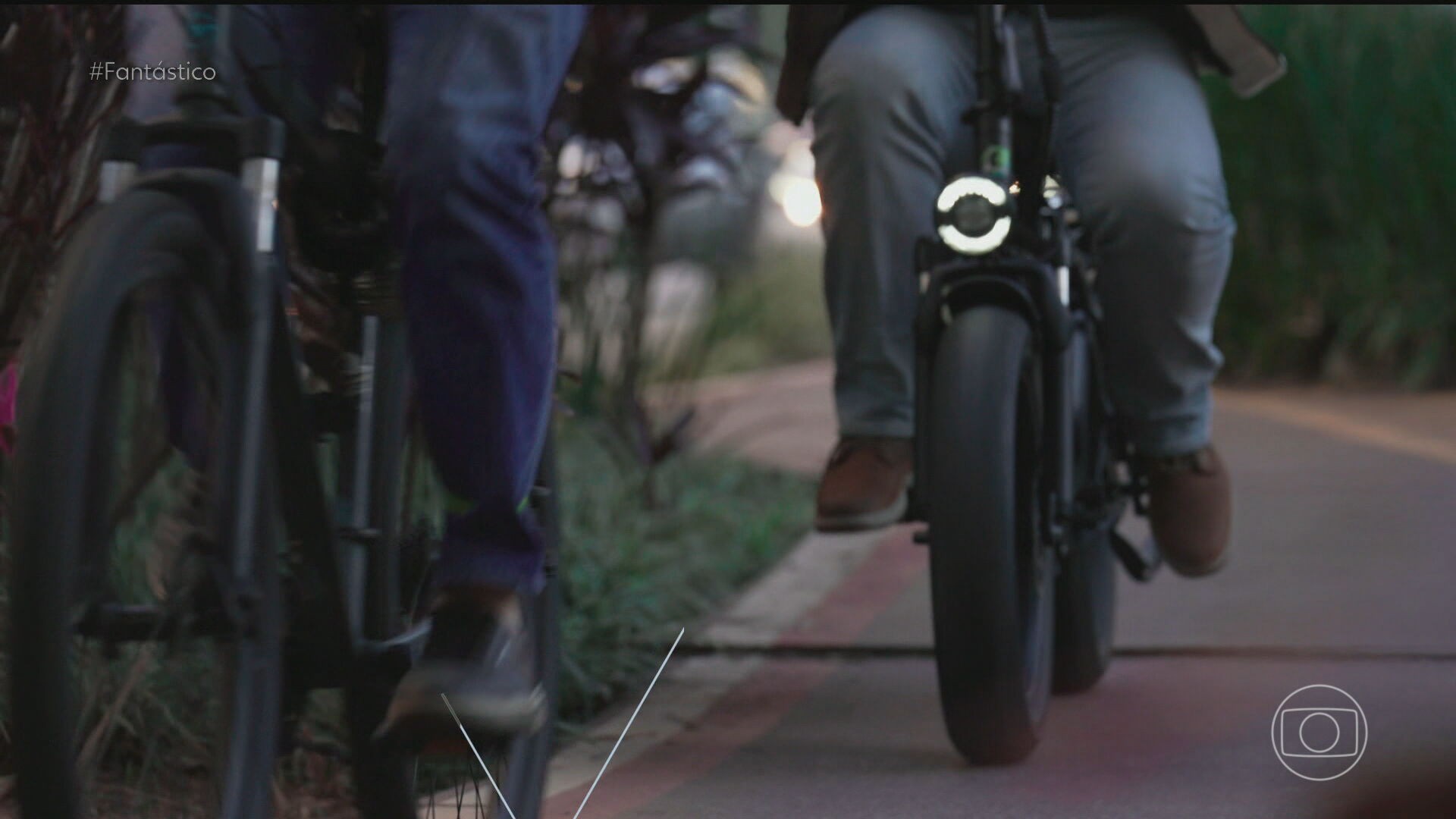
The rapid adoption of electric bicycles and light electric vehicles across Brazil, exceeding 850,000 units, is creating significant safety challenges and conflicts on urban roads. Driven by the need for faster commutes in major cities like São Paulo, where traffic jams can span over a thousand kilometers, many individuals are switching from cars to electric bikes for their practicality and time-saving benefits. However, this surge in popularity has led to a rise in accidents, collisions, and dangerous interactions with pedestrians, conventional cyclists, and motorists.
Reports highlight instances of reckless behavior, including riding against traffic, running red lights, and excessive speeding, particularly on busy cycle paths like Avenida Faria Lima in São Paulo. While electric bikes are factory-limited to 32 km/h, evidence suggests many are modified to exceed this speed, with measurements showing speeds of 34-35 km/h. Experts warn that exceeding 32 km/h reclassifies these vehicles as motorbikes, which are prohibited on cycle paths. The impact force of a collision at 32 km/h is comparable to a fall from a significant height, underscoring the potential for severe injuries.
In response to these issues, the São Paulo City Hall has initiated a public consultation to regulate electric vehicles, proposing a city-wide speed limit reduction to 20 km/h. The Brazilian Electric Vehicle Association advocates for tailored regulations based on infrastructure type, suggesting limits of up to 25 km/h on certain cycle paths and 20 km/h on two-way lanes. They emphasize that speeds above 32 km/h typically result from illegal modifications and require stricter enforcement.
The proliferation of electric bicycles in Brazil, while offering a solution to urban congestion and emissions, exposes systemic challenges in infrastructure planning and regulatory enforcement. The tension between the convenience of these vehicles and the safety of all road users, including pedestrians and conventional cyclists, highlights a critical need for adaptive urban mobility policies. The modification of electric bikes to exceed legal speed limits points to a gap in oversight and a potential arms race between technological advancement and public safety mandates. Future urban planning must proactively integrate emerging mobility technologies, establishing clear guidelines and robust enforcement mechanisms to ensure equitable and safe access to public spaces, rather than reacting to emergent hazards. This situation underscores a broader global challenge of adapting transportation frameworks to accommodate rapid technological innovation while upholding established safety norms.
AI-generated to prompt reflection — not editorial opinion, not advice, not a statement of fact. How this works.