Electric Bike Use Surges, Especially Among Dutch Youth
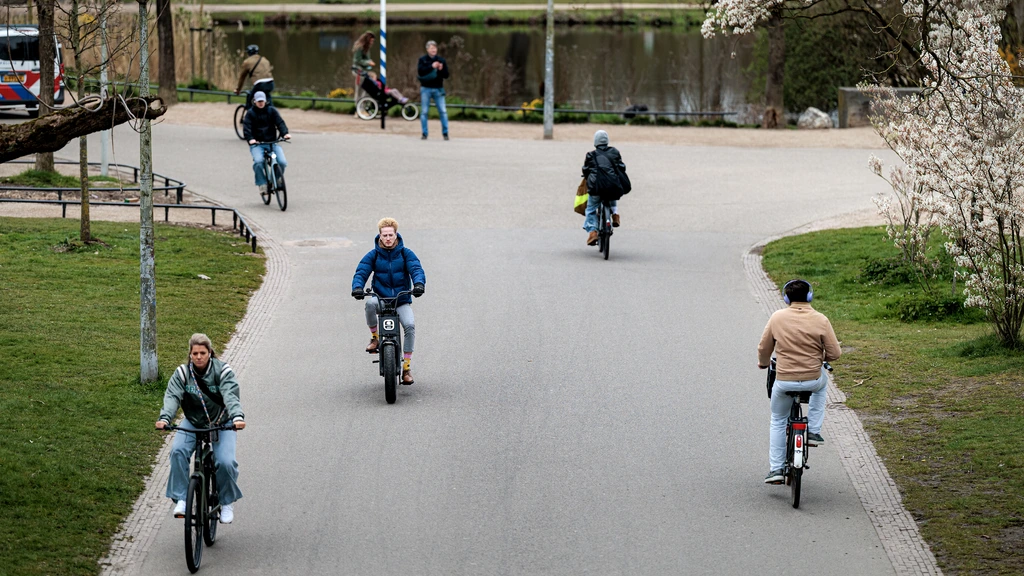
A recent study by the RIVM reveals a significant increase in electric bicycle usage across the Netherlands. In the past year, 43% of individuals aged 12 and older commuted by e-bike, a notable rise from 29% five years ago. This trend is particularly pronounced among younger demographics, with e-bike ownership among children and adolescents aged 12 to 25 jumping from 11% in 2021 to 29% last year. Within this younger group, fatbikes now account for a quarter of electric bicycle use, contrasting sharply with only 1% among electric bike-using seniors (55+). Younger users primarily utilize e-bikes for faster travel to school or friends, preferring conventional bikes for very short distances. For those under 25, electric bike usage climbed from 8% to 27%. The RIVM expresses concern about the health implications for children, noting that increased e-bike adoption may further reduce physical activity, potentially negatively impacting youth health given that many already fall short of recommended exercise guidelines. Despite the rise of e-bikes, conventional bicycles remain dominant overall, with 57% of the 12.8 million Dutch cyclists aged 12 and older exclusively using non-electric bikes. However, among those 65 and older, e-bikes are already more popular, with nearly two-thirds opting for them due to reduced physical exertion and the ability to cover longer distances.
The RIVM's findings highlight a clear shift in personal mobility preferences, driven by technological advancements and evolving lifestyle needs. The accelerated adoption of e-bikes among younger demographics, particularly the rise of fatbikes, suggests a desire for both speed and a distinct aesthetic. However, the RIVM's health concerns warrant attention; as e-bikes reduce physical exertion, their widespread use, especially by those already not meeting exercise targets, could exacerbate sedentary lifestyle issues. This presents a public health challenge, requiring a balanced approach that encourages physical activity while acknowledging the practical benefits of e-mobility. Future policy may need to consider how to integrate e-bikes into a healthy lifestyle framework, perhaps through promoting active commuting options or educational initiatives on maintaining physical fitness alongside e-bike use. The data also points to a generational divergence in cycling habits, with older adults embracing e-bikes for accessibility and younger individuals for convenience and style, indicating diverse motivations shaping the future of urban transportation.
AI-generated to prompt reflection — not editorial opinion, not advice, not a statement of fact. How this works.