Electric Car Battery Criticisms: Fires, Mining, and Pollution Under Scrutiny
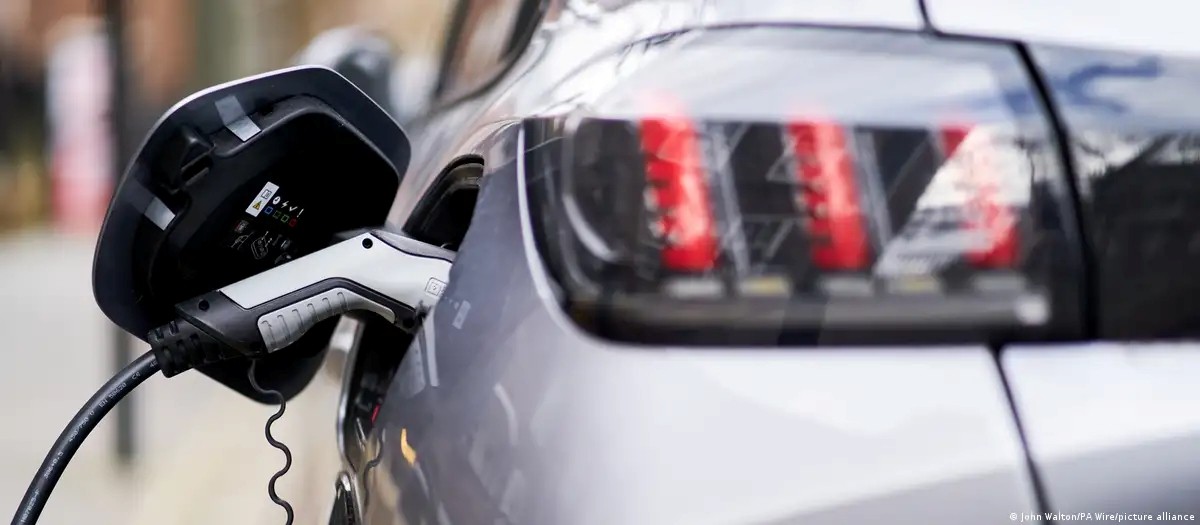
Electric vehicle sales are experiencing unprecedented growth globally, driven partly by the recent oil crisis. In Australia, sales surged over 150% in April, while the Asia-Pacific region saw an 80% increase in the first quarter of 2026, excluding China. Latin America reported a 75% rise, and Europe saw nearly a third more sales, according to the International Energy Agency (IEA). IEA Executive Director Fatih Birol noted these record sales offer relief amidst the oil supply shock, with falling battery prices expected to further boost the sector.
Despite this popularity, electric car batteries, the most expensive component, remain a vulnerability. Critics often cite fire risks and difficulties in extinguishing EV fires compared to gasoline cars, though data suggests internal combustion engine vehicles are more prone to fires. Concerns about road damage from heavy EV batteries are also countered by experts who attribute highway wear primarily to large trucks.
Significant criticism targets the cobalt and nickel content in batteries, particularly regarding supply chains from the Democratic Republic of Congo (DRC). A notable Australian investigative report highlighted hazardous conditions and child labor in Chinese-owned cobalt mines in the DRC, framing the pursuit of a green future as having a "mortal and devastating cost." However, this narrative has been challenged for overlooking the widespread adoption of cobalt-free Lithium Iron Phosphate (LFP) battery technology in electric vehicles. Experts like David McElrea of the Smart Energy Council question the selective focus on EVs when other electronics also use cobalt, emphasizing that the EV industry has actively innovated to remove cobalt due to its cost, toxicity, and ethical concerns. Cheaper alternatives like sodium-ion batteries are also emerging, according to Professor Neeraj Sharma.
A "war of narratives" surrounds critical minerals, with some groups favoring fossil fuels arguing that insufficient mining capacity exists for future EV demand. Conversely, the IEA's Global EV Outlook 2026 indicates sufficient geological reserves, with advancements in sodium-ion batteries and recycling expected to further alleviate demand for critical minerals. While some critics see a "targeted attack" against EVs, others acknowledge that legitimate concerns about mining impacts, labor conditions, and supply chain concentration are real. Experts stress the need for honest comparisons between energy systems and improved transparency in new supply chains, rather than romanticizing clean technology.
The discourse surrounding electric vehicle (EV) batteries highlights a complex interplay between technological advancement, geopolitical resource competition, and public perception. While criticisms regarding the environmental and ethical implications of mineral extraction are valid, the narrative often struggles to differentiate between established issues and evolving industry practices. The shift towards cobalt-free battery chemistries like LFP and the development of alternative technologies such as sodium-ion batteries demonstrate a proactive industry response to these concerns. Furthermore, the IEA's assessment of sufficient mineral reserves, coupled with a focus on recycling, suggests that supply chain resilience is a solvable challenge. The framing of these issues often reflects underlying economic interests, making it crucial to analyze claims through the lens of technological progress and market dynamics rather than succumbing to polarized narratives. A balanced perspective requires acknowledging the genuine challenges in resource extraction while recognizing the significant strides made in mitigating them, ultimately fostering a more informed approach to the energy transition.
AI-generated to prompt reflection — not editorial opinion, not advice, not a statement of fact. How this works.