Electric Cars Becoming Cheaper: When They'll Match Combustion Engine Prices
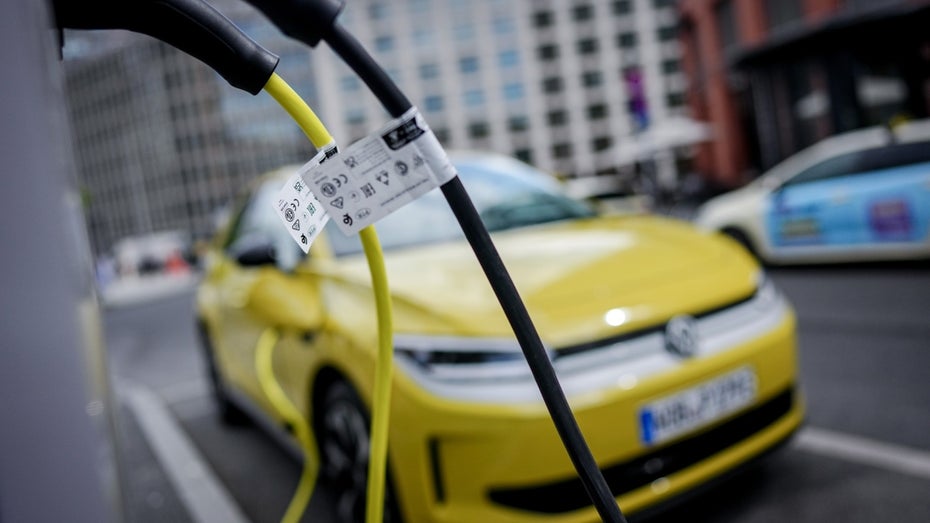
According to the Fraunhofer Institute and the International Council on Clean Transportation (ICCT), the inflation-adjusted prices of electric cars are shifting significantly compared to combustion engine vehicles. This trend is expected to continue. The institutions anticipate that electric vehicles will soon reach price parity with their gasoline and diesel counterparts. This development is driven by falling battery costs and increasing production volumes. As more electric models enter the market and manufacturing processes become more efficient, the overall cost of ownership for EVs is also projected to decrease. This price convergence is a crucial step towards wider adoption of electric mobility. The report suggests that consumers may soon have a more economically viable choice when deciding between electric and traditional vehicles. The ongoing research highlights the dynamic nature of the automotive market and the rapid technological advancements in electrification. This shift could accelerate the transition away from fossil fuel-powered transportation.
The convergence of electric vehicle prices with those of internal combustion engine cars, as projected by the Fraunhofer Institute and ICCT, signifies a critical inflection point in automotive market dynamics. This economic leveling, driven by technological advancements and economies of scale in battery production, is likely to reshape consumer purchasing decisions and accelerate the decarbonization of the transport sector. Future policy frameworks may need to adapt to this evolving landscape, potentially shifting focus from purchase incentives to charging infrastructure and grid integration. The long-term implications involve a fundamental restructuring of the automotive industry, supply chains, and energy consumption patterns, necessitating strategic planning for workforce transitions and resource management in the coming decade.
AI-generated to prompt reflection — not editorial opinion, not advice, not a statement of fact. How this works.