Electric Scooter Accidents Surge, Insurance Premiums Rise by a Third
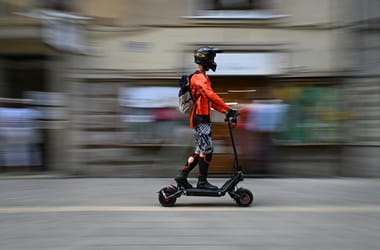
The number of accidents involving electric scooters has seen a significant increase, leading to a one-third rise in insurance premiums. Approximately one-fifth of all injuries sustained from scooter incidents are head injuries. This trend highlights growing safety concerns associated with the increasing popularity of e-scooters in urban environments. The surge in accidents necessitates a re-evaluation of safety regulations and user behavior. The rising costs of insurance reflect the heightened risk and the financial burden placed on both riders and insurance providers. Further data is likely needed to fully understand the contributing factors to this alarming trend. Authorities may need to consider stricter enforcement of existing rules or introduce new measures to mitigate these risks. The disproportionate number of head injuries underscores the importance of protective gear, such as helmets, for scooter users. Addressing this issue proactively is crucial to ensure the continued viability and safety of micro-mobility solutions.
The escalating rate of electric scooter accidents and subsequent insurance premium hikes suggest a growing disconnect between the widespread adoption of micro-mobility and the established safety infrastructure. This trend may indicate that current regulatory frameworks and user education initiatives are insufficient to manage the risks inherent in operating these devices on public thoroughfares. The high incidence of head injuries points to potential gaps in mandatory protective equipment or enforcement. Future policy considerations might involve exploring technological solutions for enhanced rider safety, reviewing urban planning to better integrate scooters, and implementing more robust public awareness campaigns on responsible usage. The economic implications, as seen in rising insurance costs, could eventually influence market dynamics and accessibility of these services if not addressed systemically.
AI-generated to prompt reflection — not editorial opinion, not advice, not a statement of fact. How this works.