Electric Taxis in Buenos Aires: Cost Savings Compared to Gasoline Vehicles
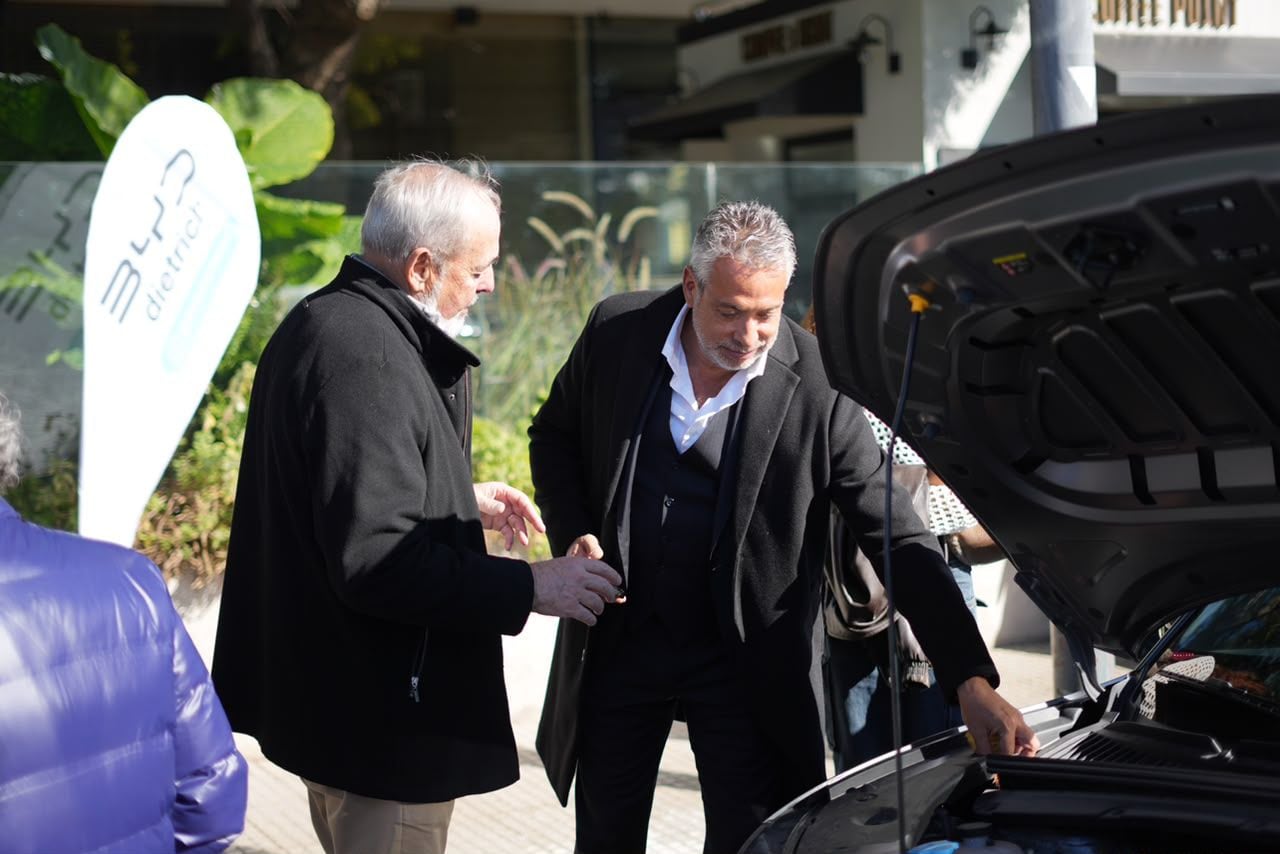
In Buenos Aires, initiatives are underway to promote clean energy transportation, including the conversion of the taxi fleet to electric vehicles. This move is part of a broader effort to advance clean energy projects for public transport, such as electric buses. The primary question for taxi drivers considering the switch is the potential cost savings compared to operating traditional gasoline-powered cars. While specific figures for savings are not detailed in this initial report, the city is actively seeking to encourage the adoption of electric vehicles within its taxi services. This transition aims to reduce operational costs for drivers and contribute to environmental sustainability goals for the city's transportation sector. The focus on clean energy reflects a growing trend in urban mobility, prioritizing greener alternatives to combat pollution and reduce reliance on fossil fuels. Further details on the economic benefits and implementation timeline are expected as these projects progress.
The push for electric taxis in Buenos Aires signifies a strategic response to evolving urban mobility and environmental concerns. By incentivizing the transition from gasoline to electric vehicles, the city aims to leverage technological advancements for economic and ecological benefits. This policy shift addresses potential operational cost reductions for drivers, a key factor in the viability of any transportation service. Furthermore, it aligns with global trends toward decarbonization, positioning Buenos Aires to potentially reduce its carbon footprint and improve air quality. The success of this initiative will likely depend on factors such as charging infrastructure availability, electricity costs, and government subsidies, all of which will shape the long-term economic and environmental impact.
AI-generated to prompt reflection — not editorial opinion, not advice, not a statement of fact. How this works.