Electric Vehicle Charging Speeds: A Gap Between Manufacturer Claims and User Experience
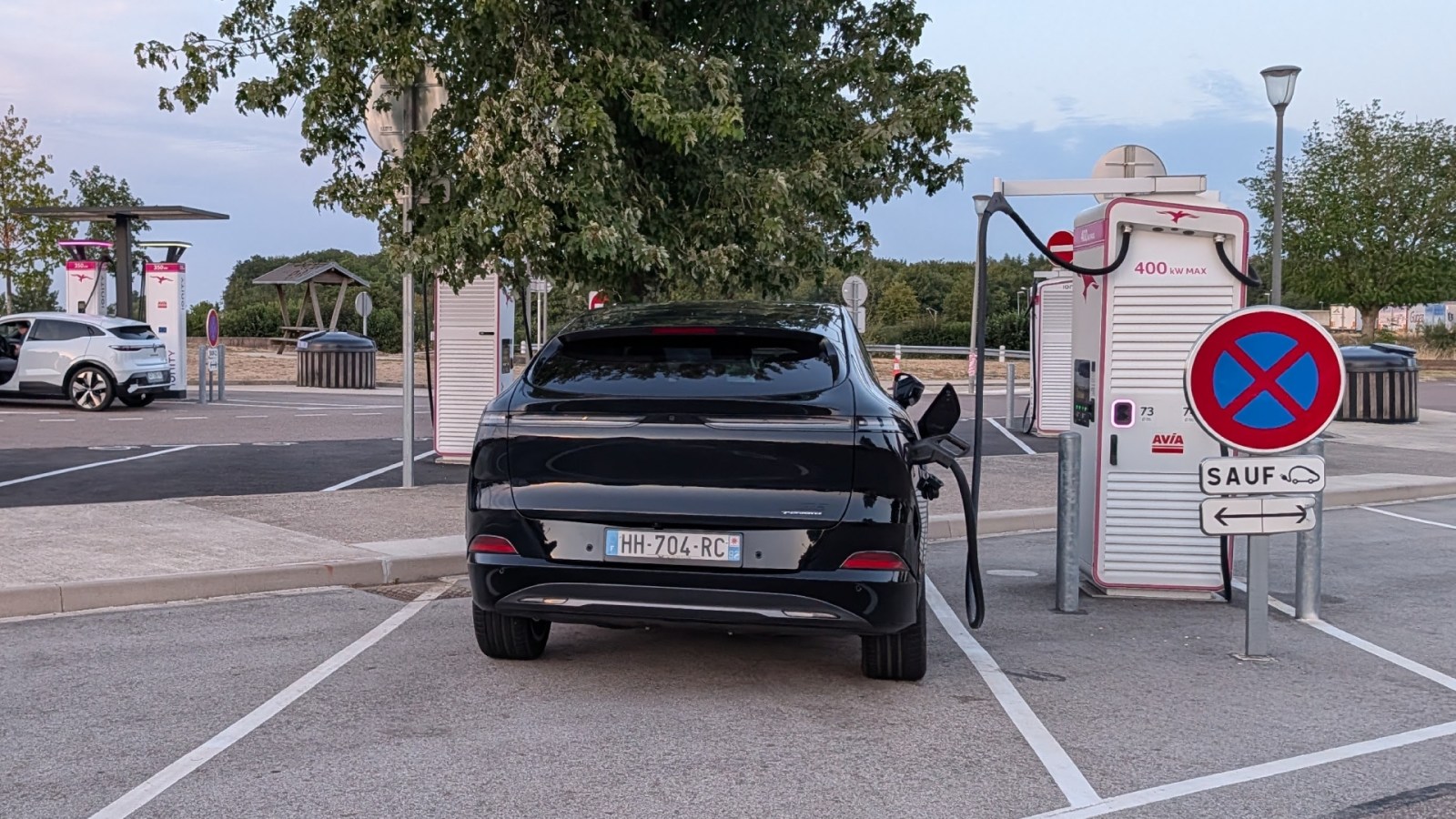
The July 30, 2026, "Watt Else" editorial highlights a significant disconnect between the advertised ultra-fast charging capabilities of electric vehicles and the actual charging experience of consumers. Manufacturers often promote peak charging power, creating an impression of rapid replenishment. However, drivers primarily encounter the reality of charging curves, which dictate the actual speed over time. This discrepancy means that the real-world charging performance can fall far short of the high-power figures presented by automakers. The editorial suggests that this gap between marketing and user experience is a persistent issue in the realm of electric vehicle fast charging.
The marketing of electric vehicle charging technology often emphasizes peak power figures, which can create unrealistic expectations for consumers. The actual charging experience is governed by complex charging curves, influenced by battery temperature, state of charge, and charger capabilities. This discrepancy highlights a potential area for improved consumer education and more transparent communication from manufacturers regarding real-world charging performance. Over the next decade, as EV adoption grows, addressing this gap will be crucial for maintaining consumer trust and facilitating a smoother transition to electric mobility, potentially driving innovation in battery management systems and charging infrastructure to better align advertised and actual speeds.
AI-generated to prompt reflection — not editorial opinion, not advice, not a statement of fact. How this works.