Electric Vehicle Charging Stations Surge 24% in Ribeirão Preto Amidst Rising EV Sales
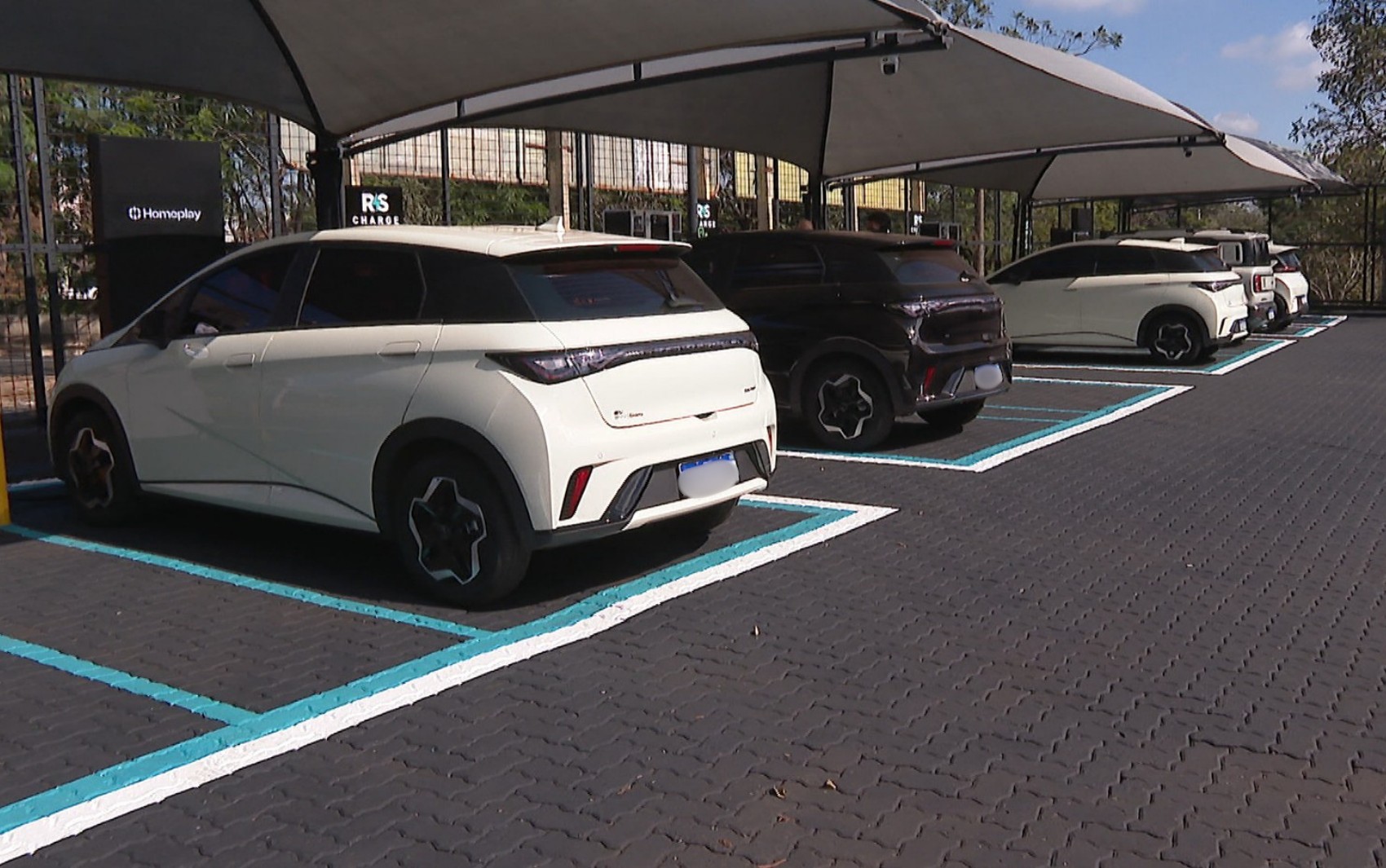
Ribeirão Preto, São Paulo, has seen a significant 24% increase in electric vehicle (EV) charging stations between February and June of this year. The number of charging points grew from 168 to 209, according to data from the Brazilian Electric Vehicle Association (ABVE). This expansion directly correlates with a rise in EV adoption within the municipality. In the first five months of the year, over 1,011 electric vehicles were registered in Ribeirão Preto.
EV owners highlight the economic benefits, with charging costs estimated at only 20% of refueling a gasoline-powered car, representing an 80% saving. Ride-share driver Rafael Ferrari noted a substantial reduction in his monthly expenses after switching to an electric vehicle due to escalating gasoline prices. Charging times vary based on battery capacity and charger power, with a 50 kWh battery taking an hour on a 50 kWh charger or 25 minutes on a 120 kWh charger.
Experts advise potential EV buyers to research battery technology and charging practices to ensure longevity. Mechanical engineer Thiago Freitas recommends prioritizing slower, home charging over frequent fast charging, as the latter can degrade battery health over time. He also warns that battery maintenance or replacement can be costly, potentially exceeding R$20,000 for vehicles several years old.
The growth in electric vehicle infrastructure in Ribeirão Preto reflects a broader global trend driven by environmental concerns and technological advancements. This expansion, while positive for EV adoption, highlights the evolving demands on urban energy grids and the need for strategic planning to manage increased electricity consumption. As EV ownership becomes more mainstream, the economic incentives for consumers, such as reduced fuel costs, will likely continue to drive demand. However, the long-term economic viability and environmental impact will also depend on the sustainability of electricity generation sources and the lifecycle management of EV batteries, including their eventual disposal or recycling. Future urban planning must integrate robust charging networks with grid capacity and renewable energy integration to ensure a truly sustainable transition.
AI-generated to prompt reflection — not editorial opinion, not advice, not a statement of fact. How this works.