Electric Vehicle Market Shifts: BYD, Mercedes, Fiat, Toyota in First Half 2026
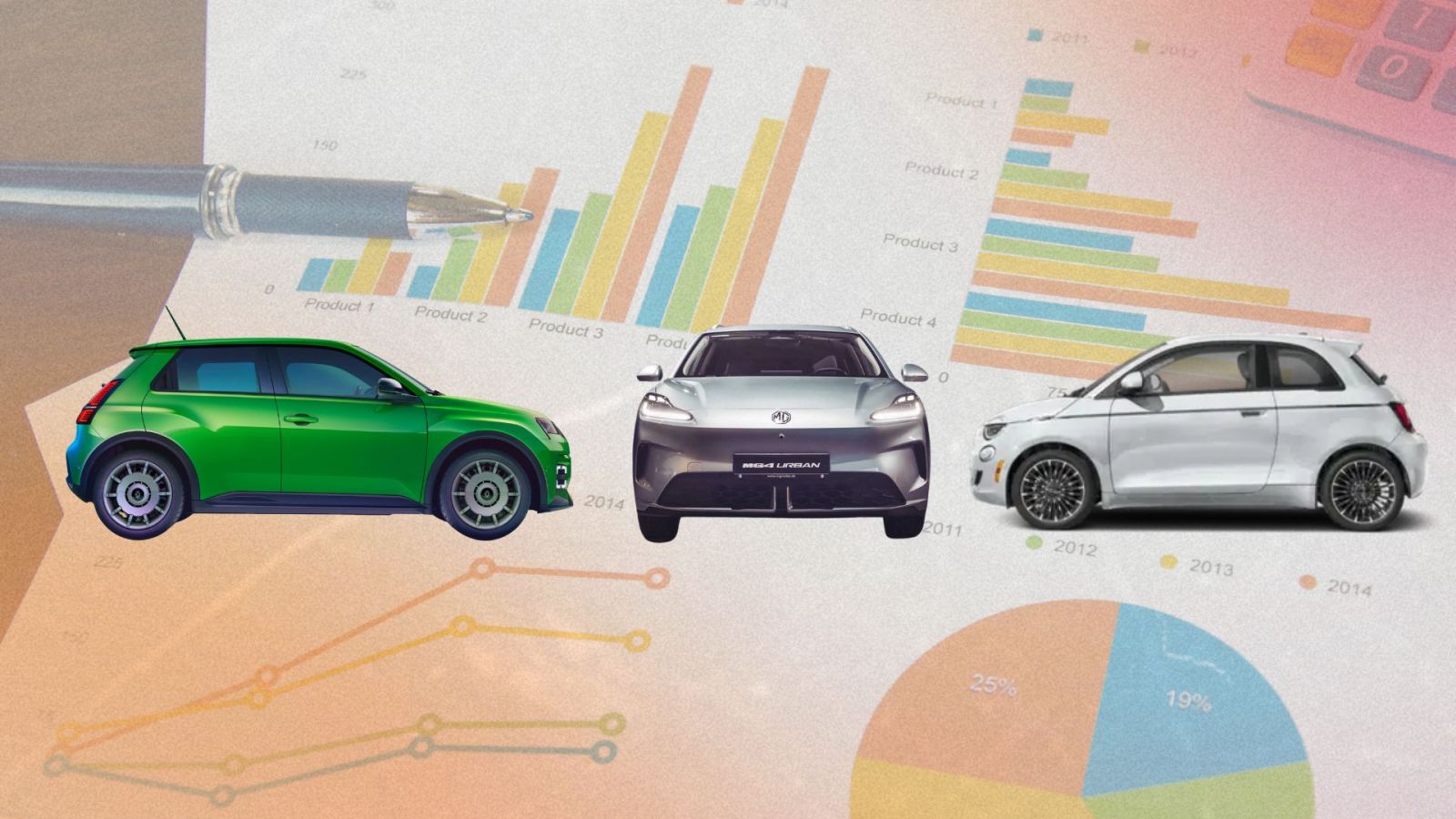
The first half of 2026 has revealed significant shifts in the European electric vehicle market, driven by the continent's accelerated electrification mandates. Despite the push towards EVs, the period has seen a complex landscape characterized by companies employing alternative strategies, unexpected slowdowns, and notable surprises. This evolving market is demonstrating a multi-speed dynamic, with various manufacturers experiencing different levels of success and facing distinct challenges. Automakers like BYD, Mercedes, Fiat, and Toyota are navigating this competitive environment, which is shaped by regulatory pressures and consumer adoption rates. The results from this period highlight the diverse approaches being taken to adapt to the rapid transition to electric mobility. Some companies are finding innovative ways to comply with stringent European regulations, while others are encountering unforeseen obstacles that are impacting their electrification plans. The overall market performance indicates a period of significant recalibration for the automotive industry as it moves towards a predominantly electric future.
The European Union's aggressive electrification targets are creating a dynamic and competitive landscape for automakers in the first half of 2026. Companies are responding with varied strategies, from rapid EV adoption to exploring regulatory workarounds, indicating a market that is not uniformly progressing. This divergence suggests that the pace of technological innovation, supply chain resilience, and consumer acceptance may not align perfectly with policy timelines. Future market success will likely depend on manufacturers' agility in adapting to these complex market forces, managing production costs, and effectively communicating the value proposition of electric vehicles to a diverse consumer base. The next decade will likely see continued consolidation and strategic realignments as the industry grapples with the economic and technological realities of a fully electrified future.
AI-generated to prompt reflection — not editorial opinion, not advice, not a statement of fact. How this works.