Electrical Faults Caused 63% of Maranhão Residential Fires in 2025
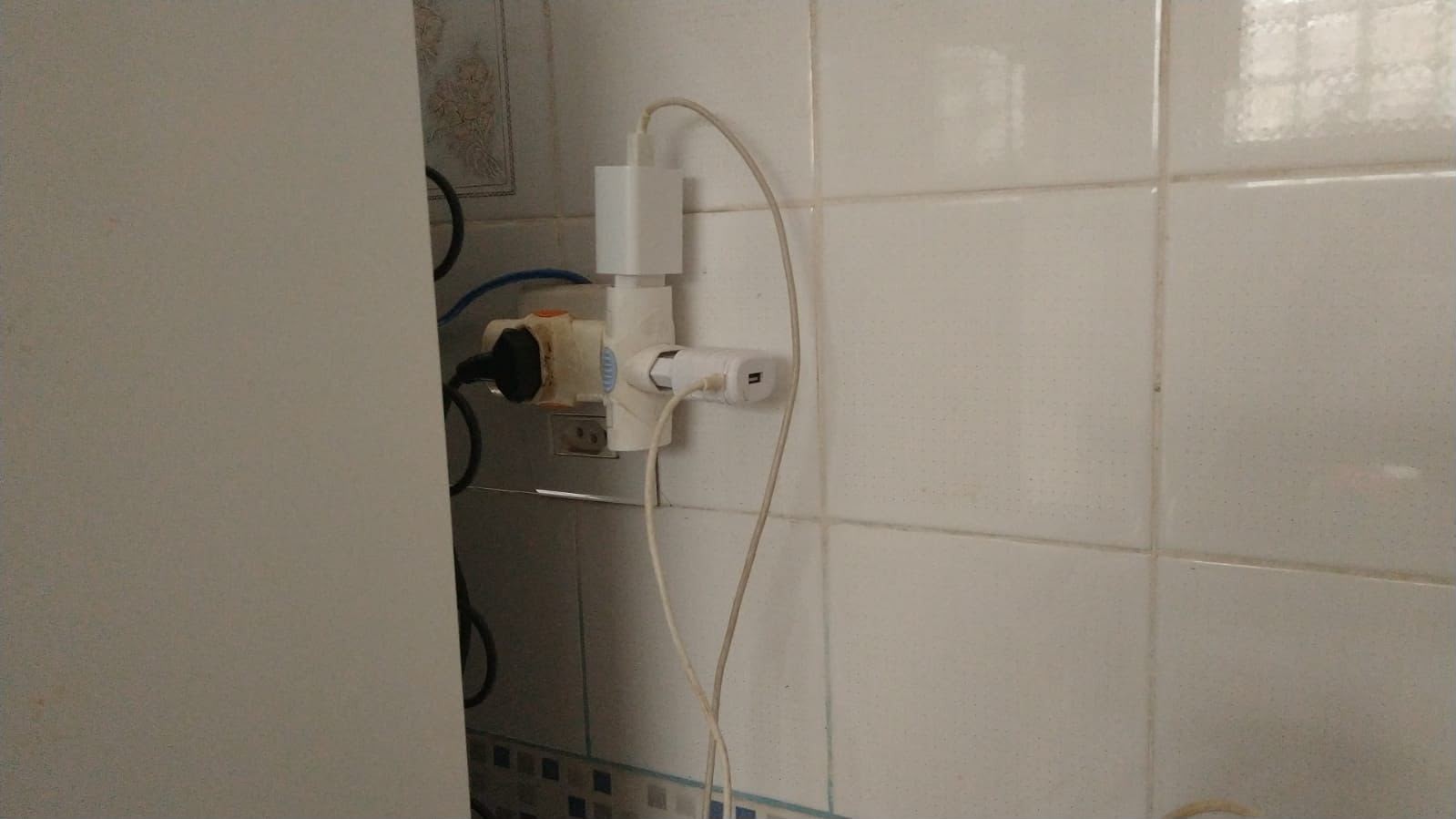
Electrical failures were the cause of 63% of residential fires in Maranhão during 2025, according to data from the Military Firefighters Corps of Maranhão (CBMMA). Key contributing factors identified include a lack of maintenance, improper equipment use, overloaded outlets, and installations that do not meet technical safety standards. Nationwide, 2025 saw 632 fires attributed to electrical overloads, as reported by the Brazilian Association for Awareness of Electricity Hazards (Abracopel). Of these national incidents, 361 were directly linked to internal electrical installation problems, with residences experiencing the highest number of cases and fatalities from such accidents. Equatorial Maranhão advises residents to be vigilant for warning signs like burning smells from appliances or outlets, blown fuses, unexplained power outages in rooms, frequent circuit breaker trips, hot outlets or wires, and sparks or noises when using equipment. These indicators, according to Gabriel Vieira, Safety Executive at Equatorial Maranhão, should not be ignored as they signal potential short circuits or fire risks. Prevention measures include avoiding excessive use of multi-plugs and extension cords, which can lead to wire overheating. The distributor also recommends using only unstripped or undamaged wires, purchasing certified electrical materials, unplugging chargers when leaving home, disconnecting appliances during travel, keeping outlets away from water sources, ensuring flammable materials are clear of wiring, and hiring qualified electricians for periodic inspections and maintenance of electrical circuits. Consumers are responsible for maintaining installations from the energy meter inwards. In case of an electrical fire, the recommendation is to safely switch off the main breaker. The Fire Department can be reached at 193, and the Mobile Emergency Care Service (Samu) at 192 for emergencies involving victims.
The data highlights a critical systemic issue in residential electrical safety, with faulty installations being the primary driver of fires in Maranhão. This points to a gap in consumer awareness regarding the importance of professional maintenance and adherence to safety standards, potentially exacerbated by economic pressures that might lead individuals to defer necessary electrical work. The prevalence of these incidents suggests a need for enhanced public education campaigns and possibly stricter regulatory oversight on electrical installations and repairs. Future-proofing this issue will require a multi-pronged approach, integrating smart home technology that can monitor electrical load and detect anomalies, alongside accessible and affordable professional inspection services to mitigate risks in the evolving energy landscape.
AI-generated to prompt reflection — not editorial opinion, not advice, not a statement of fact. How this works.