Electrician Arrested in Franca, SP, for Allegedly Installing Energy Theft Devices
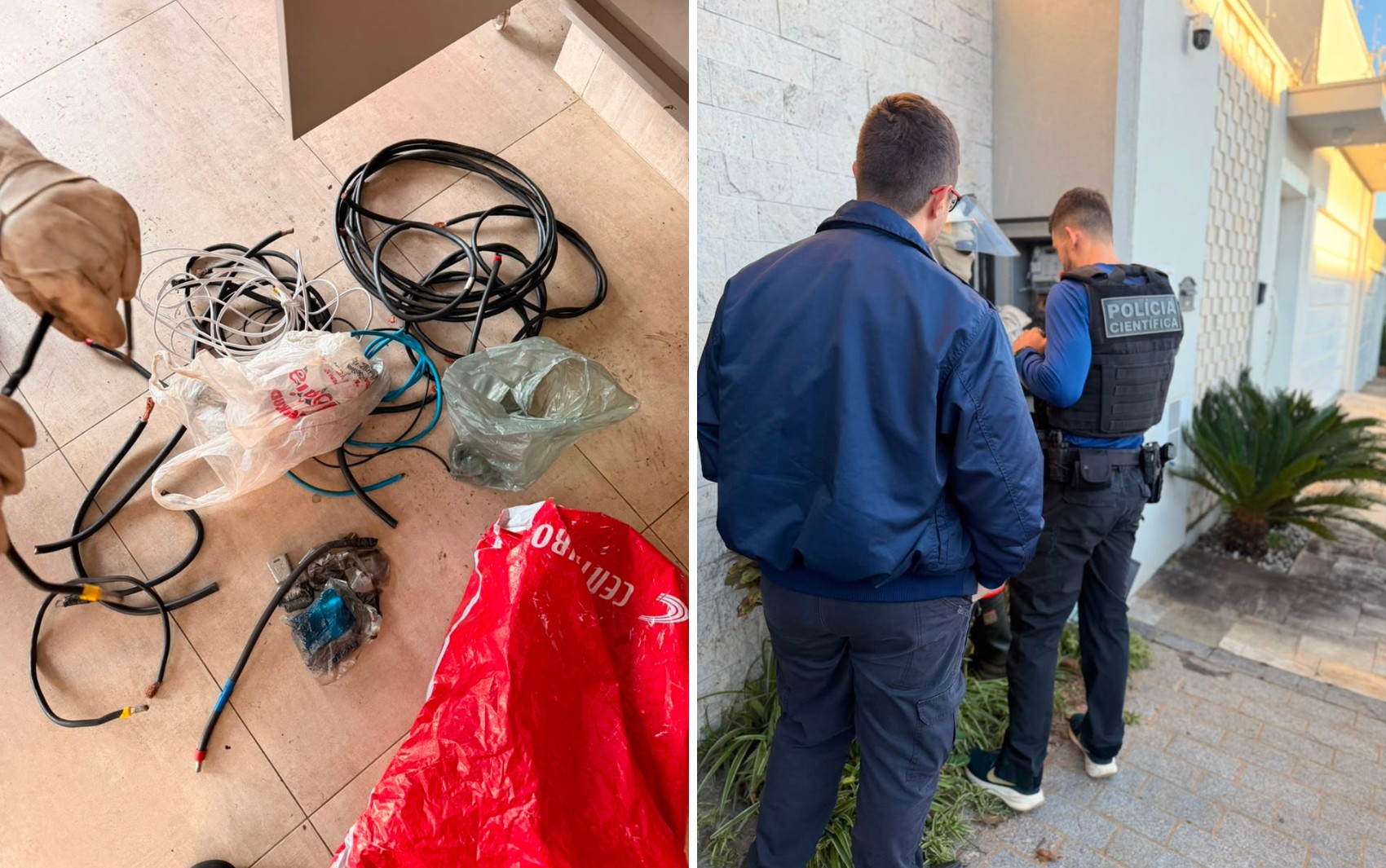
An electrician, aged 38, was apprehended in Franca, São Paulo, on Wednesday, May 15th, on suspicion of installing devices to illegally bypass energy meters. This practice, known as "gato" (cat), is used to reduce electricity bills for businesses and residences. The arrest occurred during the execution of a search and seizure warrant at the suspect's home, where authorities found materials believed to be used in the fraudulent installations. The investigation was initiated by Companhia Paulista de Força e Luz (CPFL) after observing a significant drop in a company's energy consumption in the Industrial District. This company, which previously paid approximately R$ 20,000 monthly for electricity, saw its bill plummet to about R$ 2,000 after the installation of "jumpers" – devices that divert electrical current from the meter, thus falsifying consumption readings. Police investigations revealed the suspect was already under surveillance, having previously avoided detection by ceasing such services when operations were conducted. Authorities also examined the suspect's own electricity bill, noting it did not align with the size of his residence, prompting the search warrant. The electrician allegedly charged between R$ 2,000 and R$ 10,000 per installation, servicing various commercial, industrial, and residential clients. The police plan to request judicial authorization to access the suspect's bank records to identify clients and uncover other potential fraud sites, aiming to determine the suspect's monthly earnings and the origin of his funds. CPFL reiterated that energy theft is a crime and encouraged public reporting of suspicious activities through their channels or to the police via 190 or 181.
The arrest of an electrician for allegedly orchestrating widespread energy theft highlights systemic vulnerabilities in utility metering and enforcement. While individual accountability is pursued, the scale of the alleged fraud, involving charges of R$ 2,000 to R$ 10,000 per installation and significant revenue diversion from CPFL, suggests a potential market for such illicit services driven by high energy costs and regulatory gaps. Future efforts could focus on enhancing meter security, employing advanced consumption anomaly detection algorithms, and exploring public-private partnerships for more proactive fraud prevention. Understanding the economic incentives for both the service providers and the consumers engaging in these bypasses is crucial for developing sustainable solutions that balance affordability with infrastructure integrity in the evolving energy landscape.
AI-generated to prompt reflection — not editorial opinion, not advice, not a statement of fact. How this works.